(Updated August 11, 2026) Your vacuum starts making a noise it never made before. Or the suction falls off. Or one morning it just doesn’t come on. Either way you’re now weighing the same two options everybody weighs: fix it, or go buy another one. For a lot of machines, especially the ones that were built well to begin with, fixing it wins, and it isn’t close. A vacuum is a mechanical thing. Belts, brush rolls, filters, seals, hoses, a motor. Most of what makes one seem dead is a worn part or a clog somewhere in the airway.
All that is to say that if you’re looking for vacuum repair near Brentwood, TN, it’s worth having an idea what you might be dealing with before you haul the thing anywhere. So here are some of the common things that tend to go wrong with vacuums, what those symptoms usually point to, and some additional tips to help you decide whether vacuum cleaner repair makes sense.
Common Vacuum Problems and What They Usually Mean
With so many vacuum cleaner manufacturers, brands, and types, there’s a surprisingly short list of common things that go wrong, and whatever you’re hearing, smelling, or failing to pick up can usually narrow it down a good bit. A repair technician may still have to open the machine to know for certain, but it’s a good place to start.
| Symptom | Common causes | Usually points to |
|---|---|---|
| Loss of suction | Clogged hose or airway, full bag or bin, dirty or clogged filters, worn seals, cracked hose | Airflow restriction or a leak in the system |
| Brush roll not spinning | Broken, stretched, or slipping belt; hair and thread wrapped around the roller; worn brush bearings | Belt or brush roll service |
| Burning or rubber smell | A belt slipping against a jammed brush roll, a blockage straining the motor, debris caught in the fan | Stop using it and have it checked |
| Shuts off during use | Thermal protection tripping due to overheating, usually from clogged filters or a restricted airway | Airflow problem, often correctable |
| Will not turn on | Damaged cord, failed switch, tripped thermal cutoff, internal electrical fault | Needs professional diagnosis |
| Loud or unusual noise | Debris in the fan, worn motor bearings, loose components, an object lodged in the airway | Ranges from simple to significant |
| Dust escaping while running | Worn gaskets or seals, an improperly seated filter or bag, a cracked housing | Seal or filtration repair |
| Cord or retraction trouble | Frayed or damaged cord, failed retraction mechanism, internal wiring wear | Repair, and a safety concern if the cord is damaged |
Notice how much of the last column comes back to the same thing. A vacuum cleans by moving air, so anything choking that airflow shows up as weak suction, or heat, or a machine that keeps shutting itself off mid-room. A clog. A filter packed with fine dust. A bag somebody let go too long. A split hose letting air in where it shouldn’t. Which is good news, mostly, because airflow problems are often on the more fixable end of things.
Worth knowing: If you smell burning, see a spark, or spot damage on the cord, stop and unplug it. Running a machine in that shape is how a cheap repair turns into a dead motor, and a chewed-up cord is a real fire and shock risk on top of that.
Repair or Replace? How to Decide
This is what most people are chewing on when they start looking for a good repair shop. The honest answer has less to do with how old the machine is than with how it was built in the first place.
Vacuums fall roughly into two camps. Some were designed to be worked on: serviceable components, metal where it counts, replacement parts you can still get years down the road. Others were built to hit a price, with sealed assemblies and thin parts support. A well-made vac that’s been running a decade is often worth repairing more than once, because the machine underneath still has plenty of life in it. That’s the whole idea behind repair. The motor and the body are sound. What gave out was a belt, a filter, a hose, a switch, a brush roll.
A few questions sort it out pretty quickly:
- How was the machine built? A premium or commercial-grade machine was designed to be opened up and worked on. Repairing one usually pencils out, and you get back a vacuum that cleans like it did when it was new.
- What is the actual fault? Belts, brush rolls, filters, hoses, switches, seals: those are wear items. They’re supposed to get replaced. A dead motor or a cracked housing is a different conversation.
- Are parts available? This varies a lot by brand and by how old the model is. A shop that works across a lot of brands can usually tell you fast whether the parts your machine needs can still be had.
- How does the repair compare to replacing it? Compare the repair to what a machine of similar quality would run you, not to the cheapest vacuum on the shelf. Those aren’t the same purchase.
- Do you like the machine? Weight, how it steers, the attachments, how it does on your particular floors. If you already like the thing, fixing it beats rolling the dice on something new.
You can guess at a lot of this from the outside. You won’t know until somebody opens it up. Once the fault has a name, though, the repair-or-replace question tends to get a lot easier to answer.
What Professional Vacuum Service Involves
Plenty of vacuums come into a shop still running. There are a few different kinds of work involved here and they overlap, which is why the terms get used loosely.
Tune-Up
A comprehensive service that restores a working machine to proper performance, addressing the wear and buildup that gradually reduce how well a vacuum cleans.
Cleaning
Detailed cleaning of internal components, from the motor area to the belt and brush assembly, clearing the buildup that accumulates in places routine home care never reaches.
Maintenance
Routine, scheduled care that keeps a vacuum in good condition over time and heads off the failures that come from neglected filters, belts, and airways.
Repair
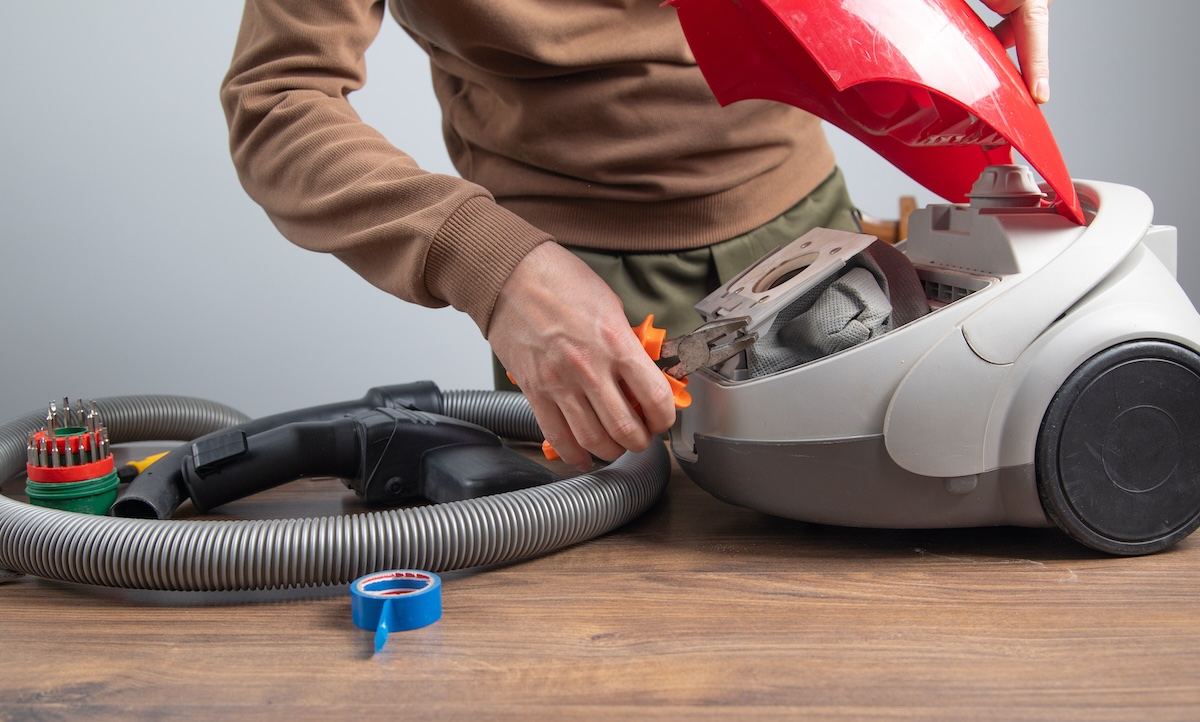
Diagnosis and correction of a specific fault, whether that is a broken belt, a failed switch, a clogged airway, a worn brush roll, or a cord problem.
Here’s the part people tend to miss: a vacuum can run perfectly well and still be cleaning badly. Filters load up with fine dust. Belts stretch and quit gripping the brush roll the way they should. Bristles wear down until they’re no longer reaching into the carpet. Seals compress. None of that announces itself the way a snapped belt does. You just quietly get less out of the machine, and you don’t necessarily notice, because it happened across two years instead of overnight.
Brands and Machine Types a Repair Shop Handles
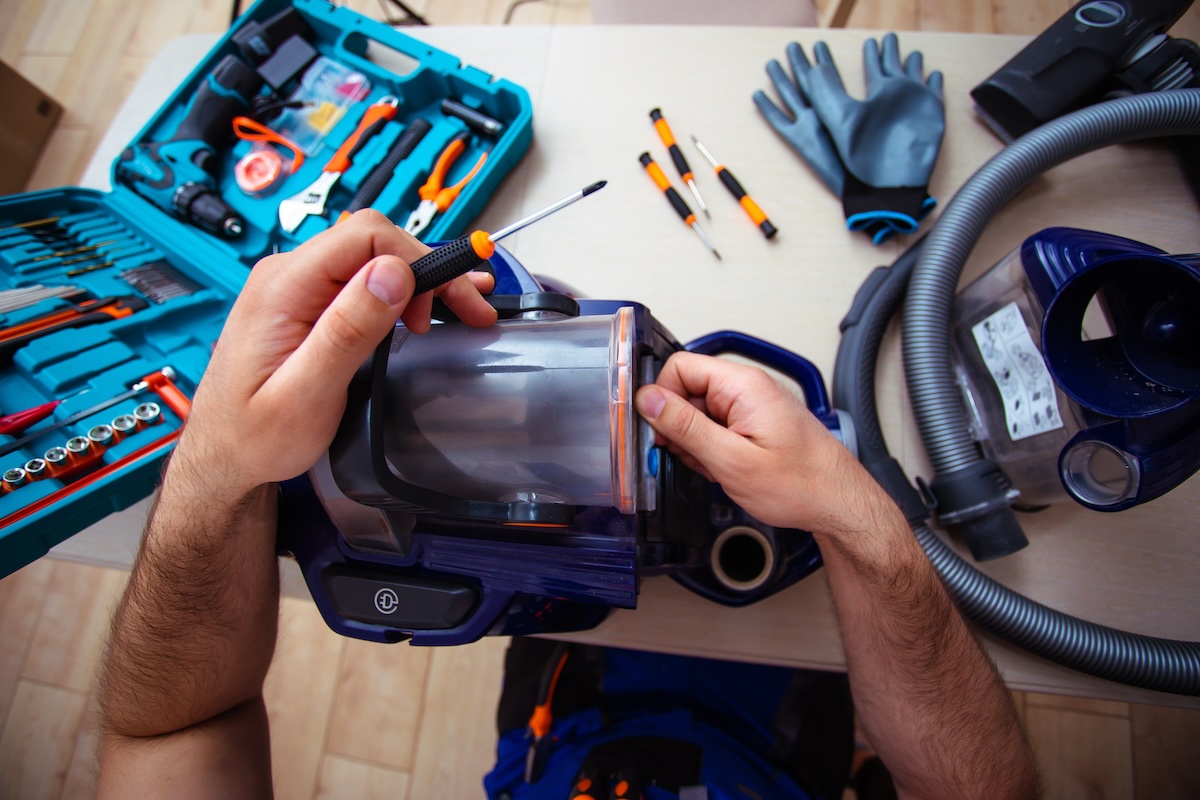
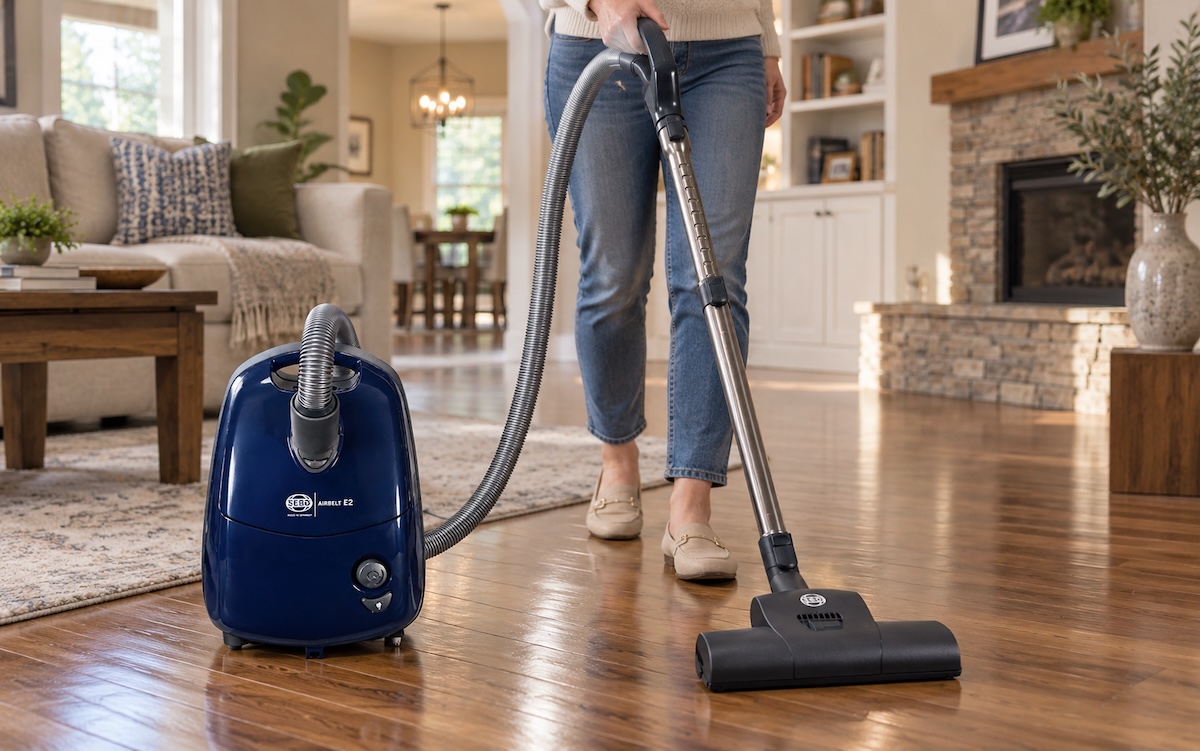
Vacuum repair covers more ground than most people picture. A shop working across a lot of brands sees household uprights and canisters, commercial and janitorial equipment, and central vacuum systems, and those are different machines with different service needs.
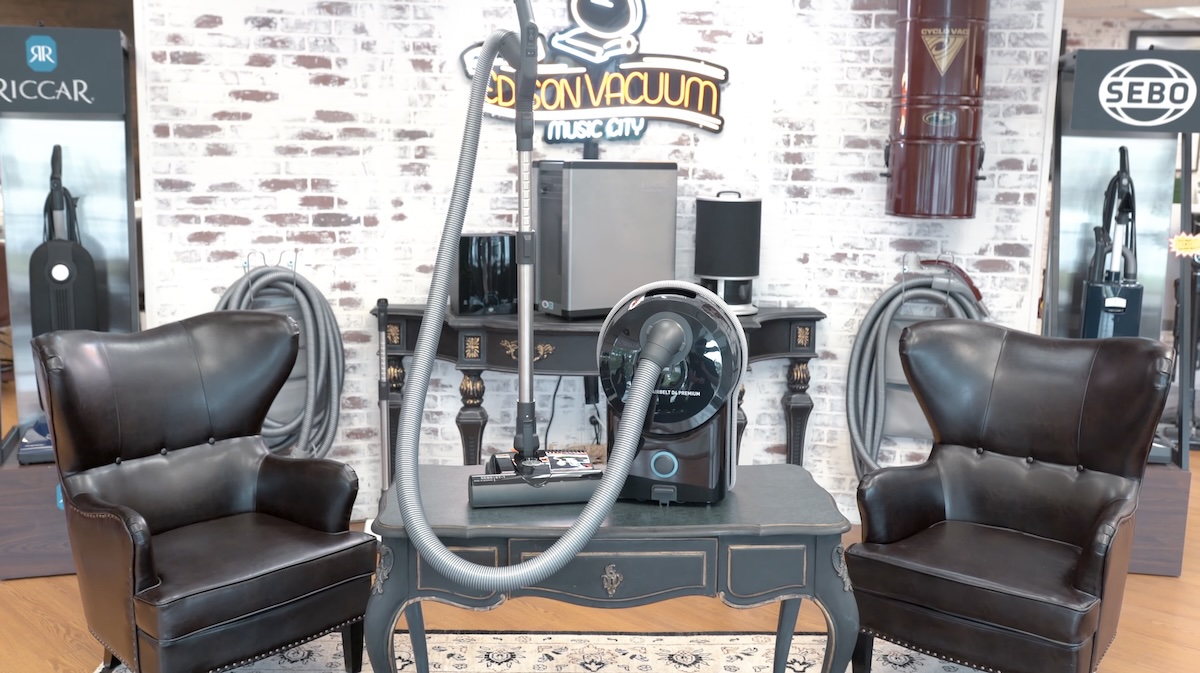
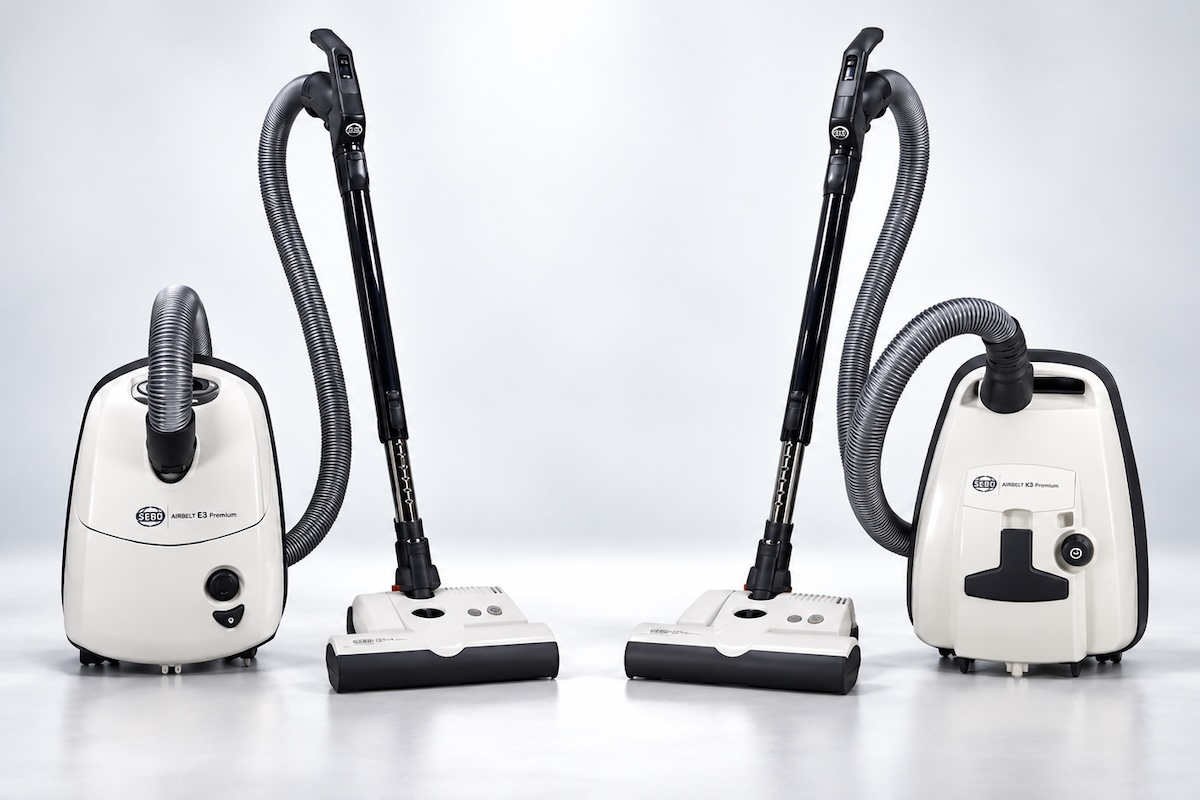
Edison Vacuums services and repairs most major vacuum brands, including (but not limited to) Simplicity, Sanitaire, Riccar, Miele, CleanMax, Perfect, Eureka, Areus, Electrolux, Dyson, Hoover, Panasonic, Shark, Windsor, Cyclovac, Powr-Flite, Sebo, Karcher, Titan, CompleteVac, Kirby, Henry & Hetty, imop, Tennant, Tineco, Tornado, Oreck, Clean Obsessed, Pro-Team, and Rainbow, among others.
That list covers a lot of different animals. Bagless and bagged uprights both filter differently and they clog in different places. Canisters add a hose and a wand, which are two of the more common failure points on any machine. Commercial and backpack units get used hard every day and have service intervals to match. Central vacuum systems have inlets and tubing running through the house on top of the power unit itself. Cordless machines bring batteries and charging into it, which is a whole category of problem corded vacuums never had.
Keeping Your Vacuum Running its Best as Long as Possible
Nobody necessarily buys a new vacuum expecting to have to think about maintenance for a while, but when you think about it, you’re getting a machine that’s intended to power across your floors every week, or possibly more often, for what you would hope is a decade or longer. Even in the most well-built machines from brands like Riccar, Miele, and Sebo, something’s going to want attention eventually. That’s not the machine failing you, that’s just what happens to anything with a motor and a belt in it—you can think of it like servicing a car, helping it keep running in peak condition for many years.
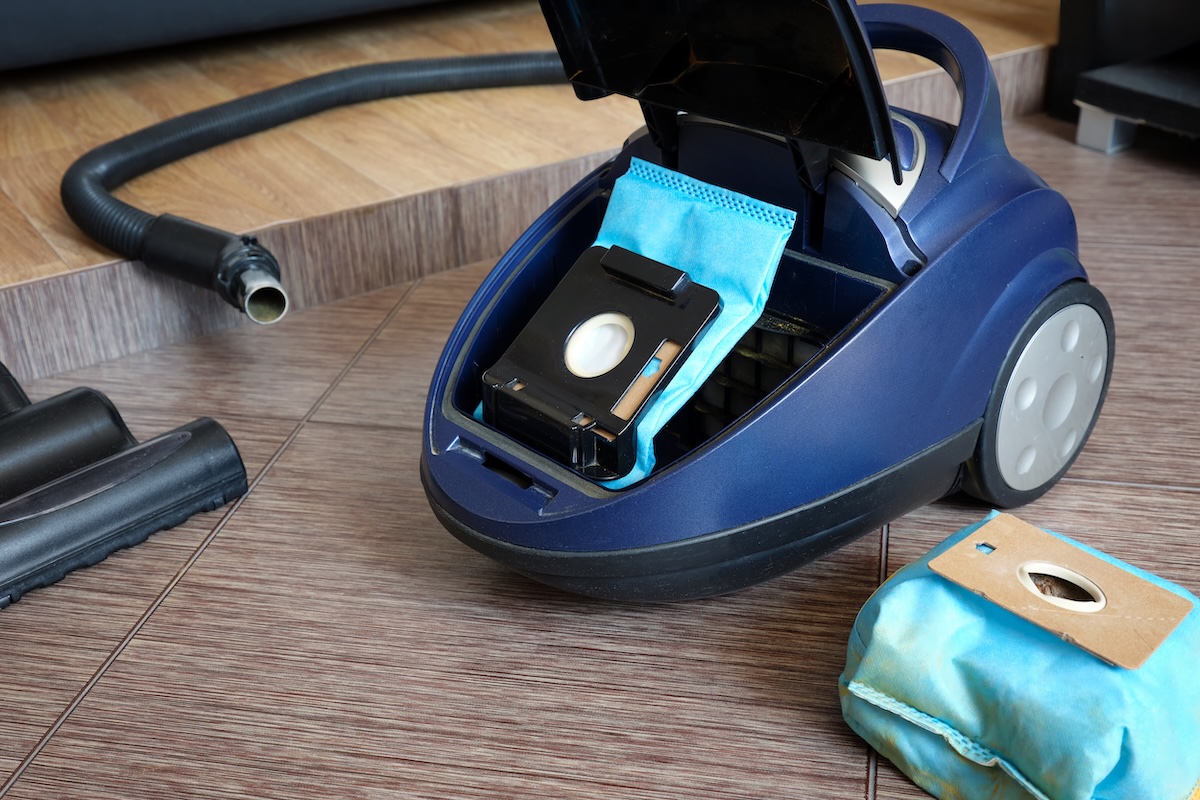
Fortunately, vacuum cleaner servicing splits into two piles. One pile is yours, and it’s the easy stuff: keeping the airway clear, staying ahead of the filters, not asking the machine to swallow things it was never built to swallow. The other pile lives inside the vacuum, where bearings wear and seals compress and belts stretch a little at a time, and that pile belongs to somebody with the machine apart on a bench. Do your side well and you’ll mostly be coming in for slight tune-ups, which is a much better errand than coming in with a broken vacuum in your trunk.
That said, a good share of what brings vacuums into the shop for repair is preventable. Not all of it, but a good share. A handful of simple maintenance habits can be very effective:
- Change the bag or empty the bin before it is packed. Suction and airflow decline well before a bag looks full, and a stuffed bag makes the motor work harder than it should.
- Clean or replace filters on schedule. A clogged filter is one of the most common causes of weak suction and overheating. If a filter is washable, it needs to dry completely before going back in.
- Cut hair and thread off the brush roll. Wrapped debris strains the belt and the motor and keeps the bristles from reaching the carpet. Checking it periodically takes a minute.
- Watch what goes in. Water and damp material, fireplace ash, drywall dust, construction debris, coins, and small hard objects are frequent culprits behind clogs, fan damage, and motor problems.
- Unplug by the plug, not the cord. Yanking the cord is a leading cause of internal wire damage and cord failures over time.
- Schedule periodic professional service. A tune-up catches the gradual wear that home maintenance cannot address and keeps a good machine performing the way it should.
Vacuum Cleaner Repair in the Brentwood and Nashville Area
Brentwood’s just south of Nashville, in Williamson County, and the vacuum situation around here is about what you’d guess from the houses: a lot of carpet, a lot of square footage to cover, a lot of dogs. People here tend to buy decent machines because they need something that holds up. Which means when one of them quits, throwing it out feels wrong. Usually it is wrong. Same story over in Franklin and Cool Springs, out in Nolensville, up in Green Hills and Belle Meade. Good vacuum, one bad part, and now it’s parked in a hall closet.
There’s a Middle Tennessee-specific wrinkle worth mentioning too: Pollen season here runs long and it runs heavy, the summers are humid, and a fair amount of all that ends up sitting in your filters.
Add pets, carpet, and a house that gets lived in, and filters and belts wear out faster than the manual assumes they will. It’s one of the more common reasons a vacuum that seemed fine last spring can feel like it’s having a harder time the following one. (Most of the time that’s a service issue rather than a machine that needs to be replaced.)
There’s a practical case for a local shop over boxing a machine up and shipping it somewhere, too. You can essentially hand it to somebody over the counter and say “Here, listen to this sound it’s making.” They get to examine the vacuum in person first instead of just evaluating your description of the vacuum through a back and forth email chain or phone tag with a service department overseas. And if something still seems off a week later, there’s a local vacuum repair person you can call about it.
What to Bring and What to Expect
Besides the main vacuum itself, it’s important to bring the hose and attachments too if that’s where any trouble might be. Model number helps with parts if you happen to know it, though a vacuum cleaner repair shop should be able to find the model of your vac without too much trouble. Many machines are recognizable on sight for them, as well. The thing that helps most is just being able to describe what it’s doing: when it started, what it sounds like, whether there’s a smell, what you were vacuuming when it happened. A machine that runs ten minutes and quits is telling you something different than one that won’t come on at all, and that kind of detail saves time.
From there it’s generally diagnosis first, then a conversation about what the machine needs, then the actual work.
Frequently Asked Questions
Q: Is it worth repairing a vacuum cleaner?
A: Often, yes, especially if it’s a well-built machine. Most of what stops a vacuum is a wear item: a worn belt, a clogged airway, filters nobody’s changed, a tired brush roll, a failed switch. A good vacuum will outlast several rounds of that. Just make sure you’re comparing the repair to a replacement of similar quality rather than to the cheapest thing on the shelf.
Q: Why did my vacuum lose suction?
A: Nine times out of ten it’s airflow. Usual suspects: a clog in the hose or airway, a bag or bin that’s gone too long, filters that need cleaning or replacing, or air leaking in somewhere it shouldn’t through a worn seal or a split hose.
Several of those you can check yourself in ten minutes. If the suction is still weak after you’ve been through the basics, whatever’s restricting it is somewhere inside the machine, and finding it means opening it up.
Q: My vacuum smells like it is burning. What does that mean?
A: That rubbery burning smell is usually the belt, slipping and scorching against a brush roll that can’t turn, and the reason it can’t turn is almost always hair wrapped around it. A sharper, more electrical smell points more toward the motor working too hard, often because something’s blocking the airway. Either way, shut it off and unplug it. Running it longer is how a small repair becomes a big one.
Q: How often should a vacuum be professionally serviced?
A: Depends how hard it works. A vacuum running every day in a house with pets and wall-to-wall carpet wants attention more often than one that comes out on Saturdays for a few rugs. The general idea is to catch wear before it turns into a breakdown. If the suction has quietly slipped, or you can’t remember the last time anybody looked at it, that’s your sign.
Q: Can you repair any brand of vacuum?
A: Edison Vacuums services and repairs most major vacuum brands, spanning household uprights and canisters, commercial and janitorial machines, and central vacuum equipment. Parts availability can vary by brand and by how old a particular model is, which is one of the things a technician can check when diagnosing the machine.
Q: Where can I find the best vacuum cleaner repair near Brentwood, TN 37027?
A: Edison Vacuum provides vacuum service and repair in Brentwood, serving households and businesses throughout Williamson County, the greater Nashville area, and Middle Tennessee. You can call to describe the problem or bring the machine in for diagnosis at Edison Vacuum, 202 Wilson Pike Circle Brentwood, TN 37027.
A vacuum that’s stopped working is rarely a vacuum that’s done. Belts, filters, brush rolls, hoses, seals, switches: all of that is meant to be serviced. Replace the worn part, clear the airway, and a machine that was well built to start with generally has years left in it.
Edison Vacuums provides vacuum cleaner repair, tune-ups, cleaning, and routine maintenance in Brentwood, TN, serving customers across Williamson County, Nashville, and Middle Tennessee. To describe a problem or arrange service, call 615-255-3292 or schedule a repair online.