Vacuum cleaners are one of those appliances that get used hard, and maintained rarely. Most people don’t think about parts until the suction drops, a burning smell drifts out of the motor housing, or a bag explodes mid-clean. At that point, the temptation is to grab the nearest replacement at the grocery store or order the cheapest option online. The problem is that vacuum parts are far more model-specific than they appear on the packaging, and an incompatible part can do more harm than good.
This guide covers everything you need to know about finding the right replacement parts (including consumables like vacuum cleaner bags and replacement vacuum filters) belts, and accessories for your specific machine, whether it’s a decades-old Miele canister you inherited or a high-end upright you bought last year.
Why Using “Compatible Parts” is So Important
A vacuum cleaner is a system. Every component, from the bag capacity to the filter media to the belt tension, is calibrated to work with the motor’s airflow and the housing’s pressure dynamics. When one part is off, the whole system suffers.

The wrong vacuum bag, for example, may fit onto the inlet collar but produce a looser seal, allowing fine dust to bypass the bag entirely and coat the motor. Say you find compatible replacement filters but with a lower micron rating than the original specification. That can allow more particles into the exhaust stream, reducing air quality and potentially shortening motor life. A belt that’s close in size but slightly off can slip under load, scorch the brush roll, or snap prematurely.
That said, none of this means replacement parts are necessarily hard to find. It just means searching for them requires more precision than “replacement bags for vacuum cleaners.” Otherwise, you might end up bringing home a package that was made for a vacuum that looks a lot like yours, sounds a lot like yours, and absolutely does not fit yours.
The Most Important First Step: Your Model Number
Before purchasing any replacement part, locate your vacuum’s model number. This is distinct from the brand name and the product line. A manufacturer might sell ten different uprights under the same family name, and each one can require completely different bags, filters, and belts.
Model numbers are typically found in one of these locations:
- On a label on the bottom of the machine
- Inside the bag compartment door or dust cup housing
- On the back of canister units, near the cord wrap
- In the original owner’s manual (often also available as a PDF on the manufacturer’s website)
Write down the full model number, including any letter suffixes. A Hoover WindTunnel T-Series UH70120 and a UH70400 look similar and carry the same brand, but they can use different bags. The suffix is part of the identification.
If the label has worn off, your serial number can sometimes help a knowledgeable retailer or the manufacturer’s customer service team cross-reference your machine to the correct parts list.
Vacuum Bags: More Specific Than the Package Implies
Walk down the vacuum bag aisle of a general retailer and you’ll find bags organized by brand, sometimes by a style letter, and occasionally by a compatibility list printed in small type on the back. That last part is where a lot of the important information is.
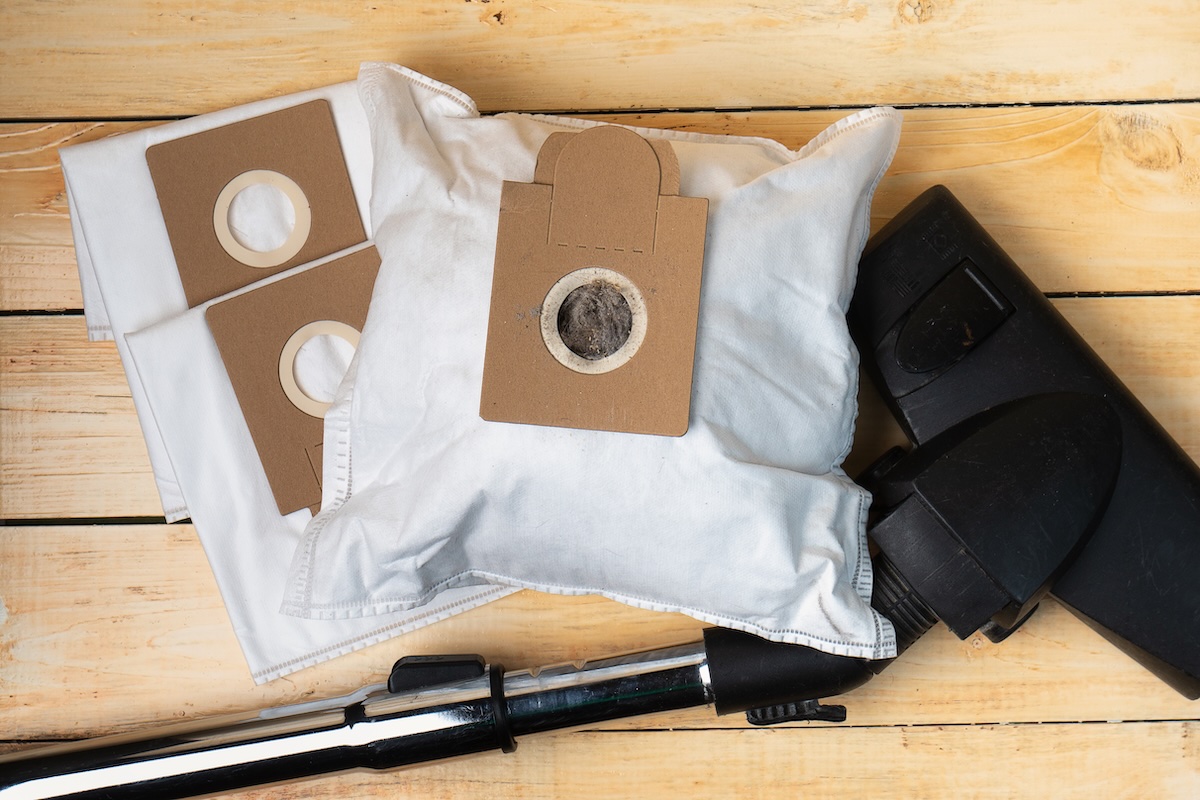
For example, take a pack of Kirby Vacuum Cleaner Bags labeled HEPA Style F/Twist 6PK. At first glance, that sounds straightforward enough: it’s a six-pack of HEPA vacuum bags made for a Kirby vacuum. But “Style F” is not a Kirby vacuum model, and neither is “Twist.”
A shopper who owns a Kirby vacuum might reasonably assume any Kirby-branded bag will fit their machine, but compatibility actually depends on the specific generation of vacuum and the bag connection style. A person with an older Heritage or Legend-series Kirby may need a different bag than someone with a newer G-series model, even though both machines are Kirby vacuums. Meanwhile, a retailer may stock several Kirby bag options side by side, including Micron Magic, HEPA Style F/Twist, and other OEM replacement bags that look nearly identical from the front of the package.
Bag compatibility depends on several factors working together:
Collar size and shape. The opening that fits onto the intake port comes in different diameters and collar geometries. Some bags have a cardboard collar, others have a plastic fitting, and others use a simple slip-on ring. Two bags with the same style letter from different manufacturers may have slightly different collar tolerances.
Bag capacity and dimensions. A bag that’s too large for the housing will bunch up and restrict airflow. A bag that’s too small will fill before you’ve covered a reasonable amount of floor area, and some will reach capacity before the vacuum’s “bag full” indicator even registers.
Filtration level. Standard paper bags capture dust and debris but allow fine particulates to pass through to the motor filter. Microfiltration or HEPA-rated bags use a denser material that captures smaller particles, which matters significantly for households with allergy sufferers or pets. If your machine was designed for microfiltration bags, substituting standard paper bags can undermine your air quality even if the bag fits and seals correctly.
When in doubt, look for the style code printed on your old bag before you discard it. That code, often a letter like “Q,” “Y,” “C,” or a multi-character identifier like “U1660,” is the most reliable way to find a direct replacement.
Replacement Filters: Types, Schedules, and What “HEPA” Actually Means
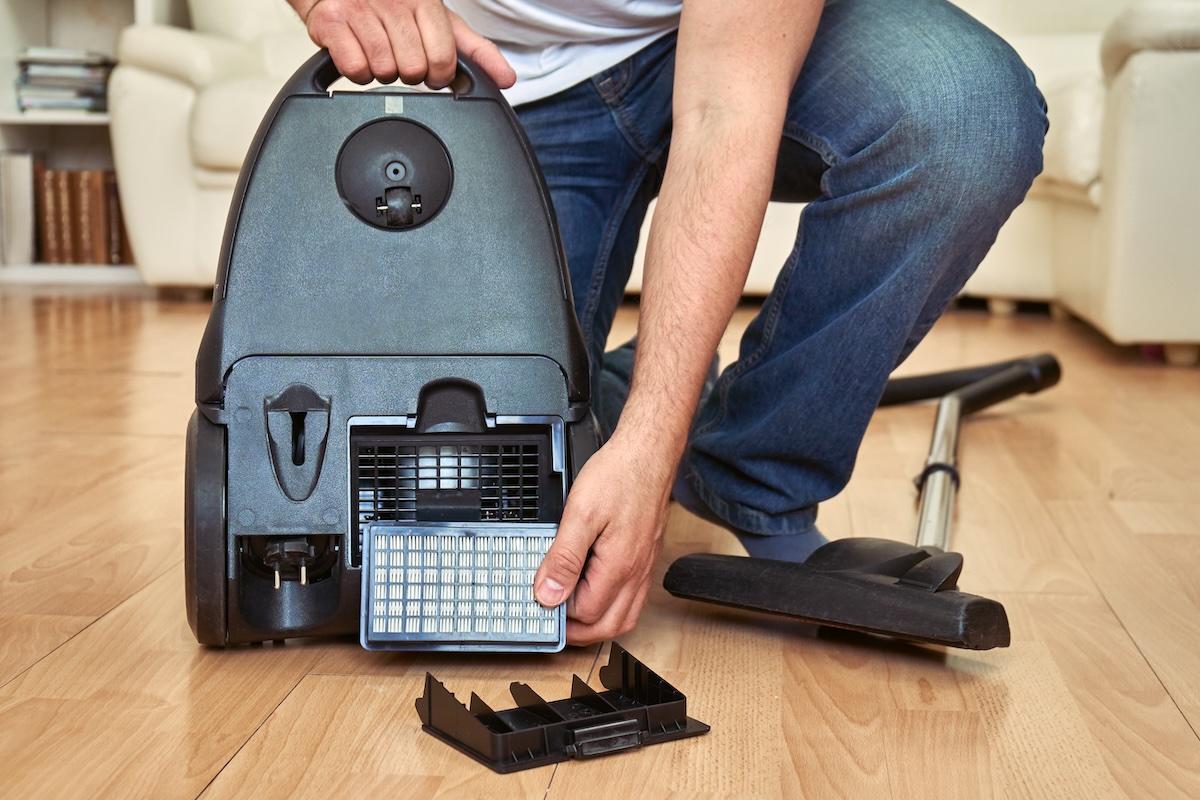
Most modern vacuums use multiple filters at different points in the airflow path. Understanding where each filter sits in the system helps clarify why each one has its own replacement schedule.
Pre-motor filters sit between the bag or dust cup and the motor. They catch anything that makes it past the primary collection stage. In bagged vacuums, this is often a foam or pleated paper filter that protects the motor from fine dust. In bagless vacuums, this filter tends to clog faster because it’s working harder in the absence of a bag.
Post-motor or exhaust filters sit downstream of the motor and clean the air being expelled back into the room. HEPA filters, when present, are almost always in this position. They capture 99.97% of particles at 0.3 microns, which covers most allergens, pet dander, mold spores, and fine dust.
A note on HEPA labeling: the term “HEPA-style” or “HEPA-like” describes a filter that performs similarly to HEPA but has not been independently tested and certified to the 99.97% standard. For most households, a quality HEPA-style filter is adequate. For households managing severe allergies or respiratory conditions, a certified True HEPA filter is worth the distinction. Your vacuum’s original specifications will indicate which standard it was designed to meet.
Washable vs. disposable filters is a separate consideration. Many manufacturers now include washable foam or cloth filters, which saves on replacement costs but requires consistent maintenance. Washable filters need to dry completely before reinstallation, typically 24 hours, because a damp filter restricts airflow and can promote mold growth inside the machine.
Filter replacement schedules vary, but a common general guideline is:
- Pre-motor foam filters: rinse monthly, replace every 6 to 12 months
- Pleated pre-motor filters: replace every 3 to 6 months under regular use
- HEPA exhaust filters: replace every 12 to 24 months, or sooner in high-use or high-pet households
These are starting points. Homes with multiple pets, occupants with allergies, or carpeted rooms that see daily vacuuming may need to replace filters on a shorter cycle.
Belts
The drive belt connects the motor to the brush roll, which is the spinning agitator bar at the base of most upright vacuums and some canister powerheads. A worn or broken belt is one of the most common performance problems in upright vacuums, and it’s one of the easiest to miss until the damage has progressed.
Signs that a belt may need replacement include:
- The brush roll has stopped spinning even though the motor is running
- A rubber burning smell during operation
- Reduced agitation on carpet, with the vacuum leaving debris behind
- Visible stretching, cracking, or glazing on the belt surface
Belts come in several types, and the type matters for compatibility. Flat belts are the most common in older and mid-range uprights. Round or cylindrical belts appear in some canister powerheads and certain upright designs. Geared or cogged belts are used in high-end machines where slippage needs to be eliminated entirely. Substituting a flat belt where a geared belt belongs will cause the brush roll to slip under load on heavy carpet.
Belt dimensions, including width and circumference, need to match your model’s specifications. Even a belt that looks close can affect brush roll speed, which in turn affects cleaning performance and the load placed on the motor.
Many vacuum technicians recommend replacing the belt any time you replace the brush roll, since both components wear at similar rates.
Brush Rolls & Agitators
The brush roll, sometimes called the beater bar or agitator, does the physical work of loosening debris from carpet fibers. It’s a high-wear component that dulls over time as the bristles compress and the end caps wear against the housing.
Brush roll compatibility is determined by:
Length and diameter. The brush roll has to fit precisely within the nozzle housing. A brush roll that’s even slightly too long won’t seat correctly in the end cap bearings, and one that’s too short will wobble.
Bristle pattern and stiffness. Different vacuums are designed for different carpet piles. Some brush rolls use a single-row bristle pattern for low-pile carpet, while others use a multi-row or combination bristle and beater strip design for high-pile or thick rugs. Installing the wrong bristle configuration can mean poor cleaning performance on your specific flooring type, or in some cases, damage to delicate rugs.
End cap and bearing type. Most brush rolls use plastic end caps that click or snap into the nozzle housing. The connection point has to match the housing geometry to ensure proper rotation and airflow.
If your vacuum is leaving streaks of unvacuumed carpet, losing the ability to adjust for different carpet heights, or making a rhythmic thumping sound, the brush roll is a likely culprit worth inspecting.
Hoses, Wands, and Attachments
Hoses and wands tend to crack at stress points, most often where the hose meets the machine body or where the handle connects. Attachments get lost. These are generally much easier to replace than internal components, but making sure it’s a compatible hose is still important.

For hoses, the key measurements are the inner diameter at both the machine end and the wand end, and the fitting style (friction fit, locking tab, or bayonet). Canister hoses can look interchangeable across a brand’s model line but may have subtly different fitting geometries or carry electrical connections for powerhead attachments. Buying a hose designed for a different model in the same brand family often fails at the connection point.
Wand diameter determines which attachments will fit. Most manufacturers use 1-3/8 inch diameter as a standard in their full-sized machines, but budget models and older vacuums may use different dimensions. Universal attachment sets work well when the wand diameter is confirmed.
Crevice tools, upholstery tools, dusting brushes, and pet hair tools are often the most interchangeable parts in a vacuum’s ecosystem, since many attach via friction rather than a locking mechanism. Even here, confirming the wand diameter before purchasing a set avoids frustration.
OEM vs. Compatible Aftermarket/Third Party Parts
OEM stands for Original Equipment Manufacturer, meaning the part was made by or for the company that built your vacuum, to the same specifications as the original. Aftermarket parts are made by third parties and designed to fit the same models.
The quality range in aftermarket parts is wide. Some aftermarket manufacturers produce components that meet or closely approach OEM specifications, using comparable materials and filtration media. Others produce parts that are dimensionally close but cut costs on material quality, filter density, or tolerances. The difference often shows up in performance rather than fit, since a bag can seal correctly on the collar but still allow fine dust to pass through substandard paper.
For consumables like bags and basic foam filters, quality aftermarket options can offer good value. For components that affect motor life, airflow, or allergen capture, OEM replacement vacuum cleaner parts carry less risk of unexpected performance differences. HEPA filters in particular are worth scrutinizing, since aftermarket HEPA filters vary significantly in whether they meet the actual 99.97% certification standard or merely approximate it.
One practical approach: use OEM parts for anything that affects the motor, the filtration system, or the structural integrity of the machine, and evaluate aftermarket options on a case-by-case basis for bags and accessories.
Where to Buy Replacement Vacuum Parts
The supply chain for vacuum replacement parts has fragmented significantly over the past decade. Parts are available from the manufacturer directly, from general online marketplaces, from big box retailers, and from specialty vacuum retailers. Each source has a different profile of what it carries and how reliably it’s labeled.
Manufacturer websites and authorized retailers offer the best guarantee of OEM authenticity, though they may carry only the current model lineup and may not stock parts for machines that are five or more years old.
Large online marketplaces carry an enormous range of parts, including many for discontinued models. The challenge is verification: listings for the same part number can come from multiple sellers with varying quality levels, and counterfeit or mislabeled parts are a documented problem on open platforms. Reading reviews carefully and purchasing from sellers with a verified track record for a specific vacuum brand reduces the risk.
Specialty vacuum retailers, particularly those that also offer vacuum cleaner repair and service, tend to maintain broader parts inventories than general retailers, including components for older models that have disappeared from mainstream retail shelves. Because these shops handle repairs daily, staff are typically familiar with common compatibility pitfalls for the brands they carry and can cross-reference a model number to confirm the correct part before a purchase is made. For anyone uncertain about what part they need or whether a part is even the source of the problem, hands-on guidance can save the cost of a misorder.
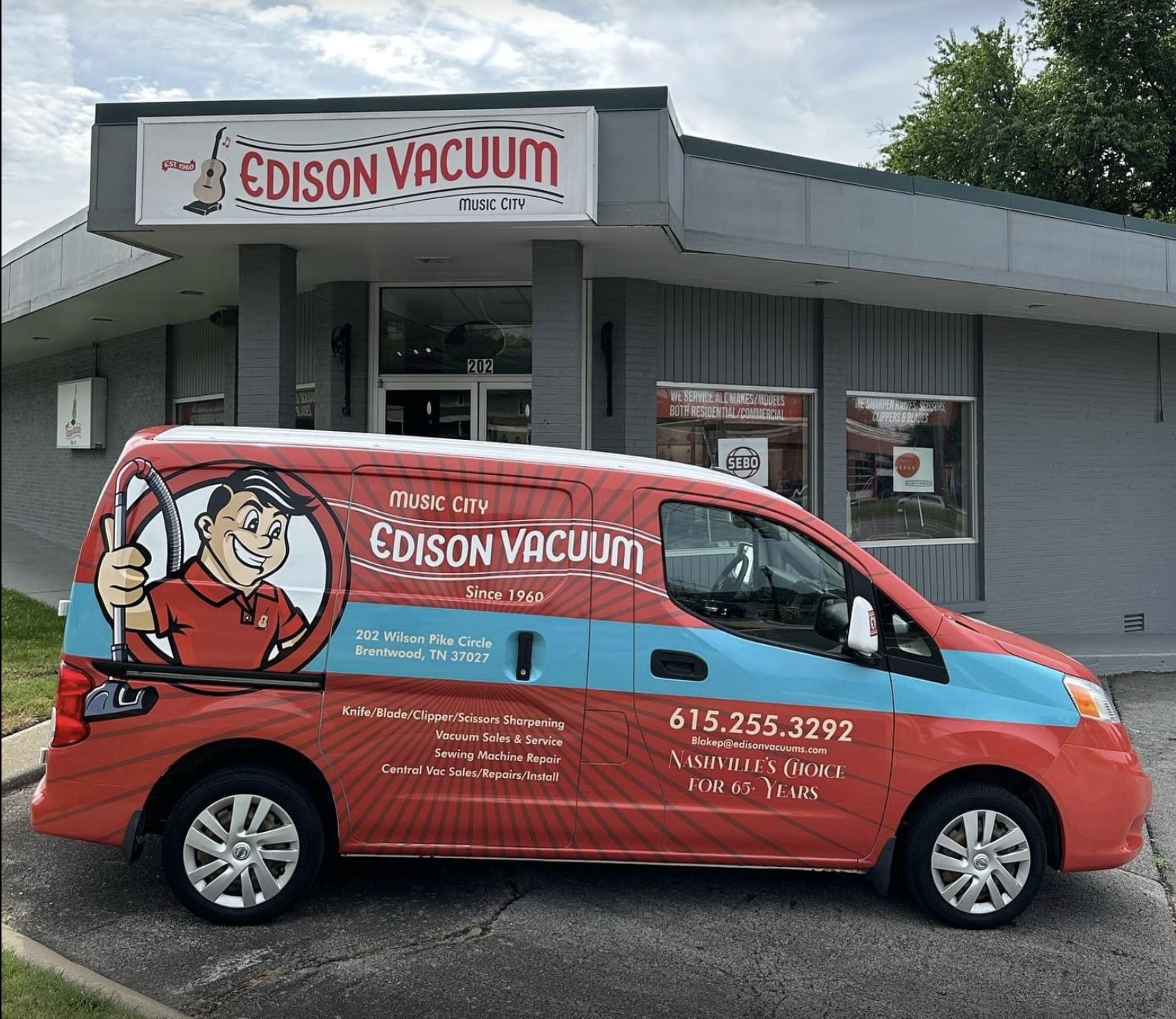
Local vacuum specialty shops like Edison Vacuum often carry stock of bags, belts, and filters in the store, which means no shipping wait and the ability to compare the new part against the old one before leaving. For parts like brush rolls and hoses where fit confirmation matters, this can be a significant advantage. Some local brick-and-mortar shops like Edison Vacuum of Greater Nashville also operate online stores where you can buy vacuum cleaners, parts, and accessories for better prices than other outlets, giving customers access to a wider inventory while still benefiting from product expertise and support that can be difficult to find through large general retailers.
Common Mistakes When Ordering Replacement Parts
A few patterns come up repeatedly when vacuum owners run into trouble sourcing parts.
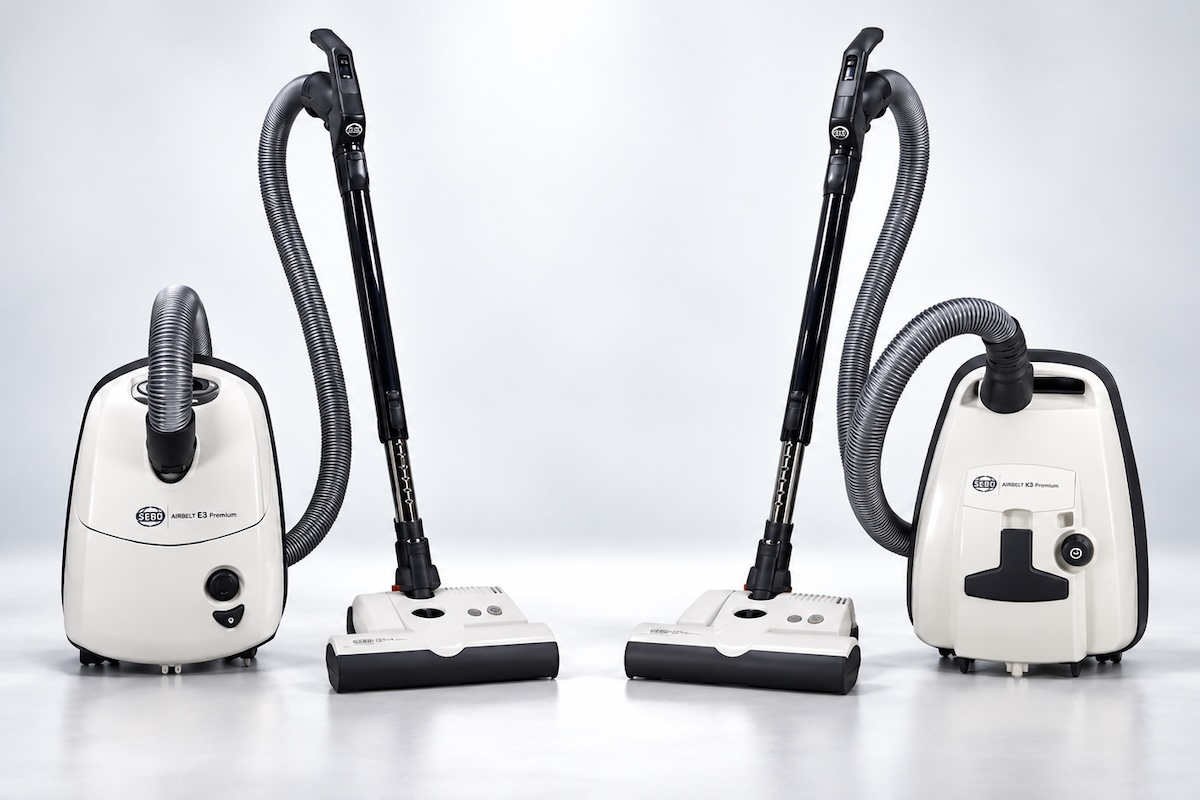
Searching by brand name only. “Miele bags” or “Sebo filters” returns results for every model the brand makes. Narrowing the search to the specific model number, or the bag style code printed on your old bag, dramatically improves accuracy.
Assuming same-brand means same-part. A Dyson V8 and a Dyson V10 look similar but use different filters, different brush head assemblies, and different attachments. This applies across virtually every major brand.
Ordering by image match. Parts photographs on retail listings are often stock images or generic representations. Two bags can look identical in a photo and have different collar sizes. Confirming part numbers rather than relying on visual similarity is more reliable.
Buying packs of bags before confirming compatibility. Bags are frequently sold in multi-packs, and a pack of the wrong bags is a frustrating purchase. Confirming the style code with a single bag or a retailer who can verify compatibility before committing to a bulk order saves money.
Neglecting to check if the part is even the source of the problem. A vacuum with suction loss might need a new filter, or it might have a blocked hose, a full bag, a worn seal, or a motor issue. Replacing parts without diagnosing the actual cause can mean spending money on components that weren’t the culprit. A quick inspection by a vacuum technician can often identify the actual issue.
Maintenance Supplies Worth Keeping on Hand
Beyond the core replacement parts, a few supplies make routine vacuum maintenance easier and extend the life of the machine between major service needs.
Scissors or a seam ripper for clearing hair and thread wraps from the brush roll. Hair accumulation on the brush roll is one of the most common causes of reduced agitation performance, and clearing it regularly is one of the highest-return maintenance habits for upright vacuum owners.
Compressed air for clearing dust from the motor filter housing, the exhaust grill, and the wand connections. This is particularly useful for canister vacuums where fine dust can accumulate in hard-to-reach areas of the housing.
A spare belt stored with the machine. Belts tend to break at inconvenient times, and having a replacement on hand means the machine is back in service in minutes rather than days. Because belts are inexpensive and specific to the model, buying one or two spares when replacing an existing belt is a practical habit.
Cleaning spray for hard-surface tools such as the squeegee attachment or floor brush. Residue from hard floors can accumulate on tool surfaces and reduce pickup efficiency on subsequent uses.
Frequently Asked Questions (FAQ)
How do I find out which vacuum bag my machine uses?
The most reliable method is to look at the bag currently in your machine before removing it. Most bags have a style code or part number printed on the cardboard collar or on the bag itself. Your owner’s manual will also list the correct bag specification. If neither is available, your vacuum’s model number (found on the bottom label or inside the bag compartment) can be used to look up the correct bag through the manufacturer’s parts catalog or a knowledgeable retailer.
Can I use a different brand of bag in my vacuum?
In many cases, yes. Aftermarket bags from reputable manufacturers are available for most major vacuum brands and can fit and seal correctly. The key is confirming that the style code or collar dimensions match your specific model, and checking that the filtration level of the replacement bag meets or exceeds the original specification. Low-cost generic bags that don’t specify filtration ratings may allow fine dust to bypass the bag.
How often should I replace my vacuum’s HEPA filter?
Most manufacturers recommend replacing HEPA exhaust filters every 12 to 24 months under average household use. Homes with pets, heavy traffic areas, or occupants with respiratory sensitivities may benefit from replacement on a shorter cycle. Some vacuums have washable HEPA filters, but even washable filters have a finite lifespan and will need eventual replacement as the filter media degrades.
My vacuum is losing suction. Is it definitely the filter?
Not necessarily. Suction loss can stem from a full bag or dust cup, a clogged hose, a blocked floor head, a worn seal around the bag or dust cup, a failing motor, or a clogged filter. Before replacing parts, check each of these in order. A clogged hose or blocked floor head is often the culprit and requires no replacement parts at all.
Are generic or universal belts safe to use?
It depends on the type of belt your vacuum uses. For basic flat belts in standard uprights, a universal belt of the correct width and circumference often performs adequately. For geared or cogged belts, universal substitutes are generally a poor fit because the tooth geometry has to match precisely. When in doubt, an OEM belt or one specified by brand and model number is a lower-risk choice.
Where can I find parts for an older or discontinued vacuum model?
Older models can be trickier to source through general retailers, who tend to stock parts for current production models only. Manufacturer websites sometimes maintain a parts catalog for models that have been discontinued, particularly for premium vacuum cleaner brands with long service life expectations. Specialty vacuum retailers often maintain deeper inventories that include parts for discontinued models, and they may be able to cross-reference a model number to identify compatible parts when originals are no longer manufactured.
Is it worth repairing an older vacuum, or should I buy new?
This depends on the machine. A high-quality vacuum from a reputable manufacturer can have a service life of 20 years or more when maintained and repaired properly. Replacing a belt, brush roll, or hose on a well-built machine is often far more economical than purchasing a new machine of equivalent quality. The calculation shifts when the motor is failing or structural housing components are cracked, since those repairs can approach or exceed the cost of a comparable replacement. A vacuum technician can usually assess this quickly and give you an honest repair-vs-replace recommendation based on the actual condition of the machine.