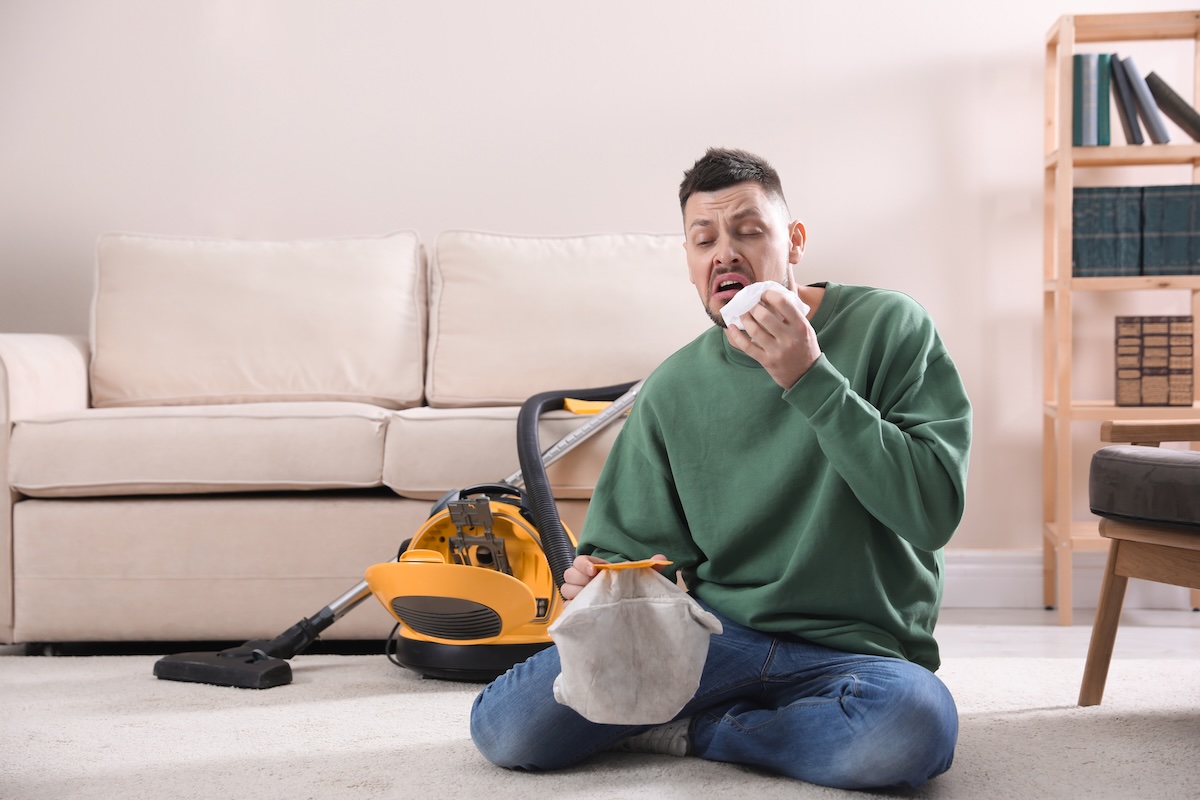
If you have allergies or asthma, the vacuum you use matters even more than you might already realize. A vacuum’s job is to remove dust, dander, and allergens from your floors, but many vacuums do something counterproductive in the process: they capture the large debris while blowing the finest, most allergenic particles straight through the machine and back into the air you breathe. For an allergy sufferer, that can make vacuuming an allergy trigger rather than a relief.
The design of the vacuum, how it filters, how it contains what it collects, and how it is emptied, is what makes the difference, and it is worth understanding before choosing your next machine. Bagged upright models tend to lead on exactly these points, as our guide on bagged upright vacuum cleaners covers in full.
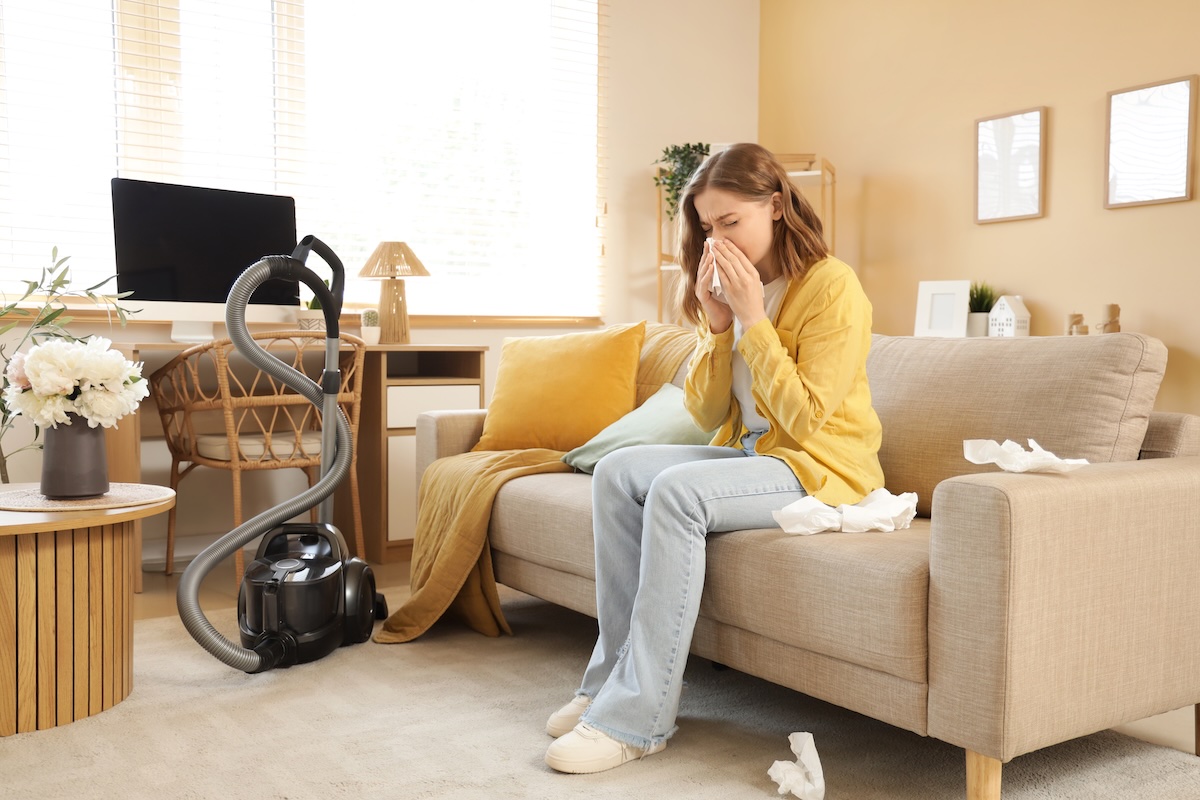
This is where HEPA filtration and sealed systems come in, though the terminology around them isn’t always easy to parse. A few similar-sounding terms are easy to mix up: “HEPA,” “HEPA-type,” “HEPA-like allergen filtration”, and the differences between them determine whether a vacuum helps a household with allergy sufferers, or just appears to. Understanding what truly captures dust mites, pet dander, and pollen, and what keeps those particles from escaping back into the room, is what separates a vacuum that helps you breathe easier, from one that stirs everything up.
What HEPA Means
HEPA stands for High Efficiency Particulate Air. It is not a brand or a marketing term but a defined filtration standard. According to the U.S. Environmental Protection Agency, a true HEPA filter can remove at least 99.97% of airborne particles at a size of 0.3 microns, a standard originally defined by the U.S. Department of Energy.
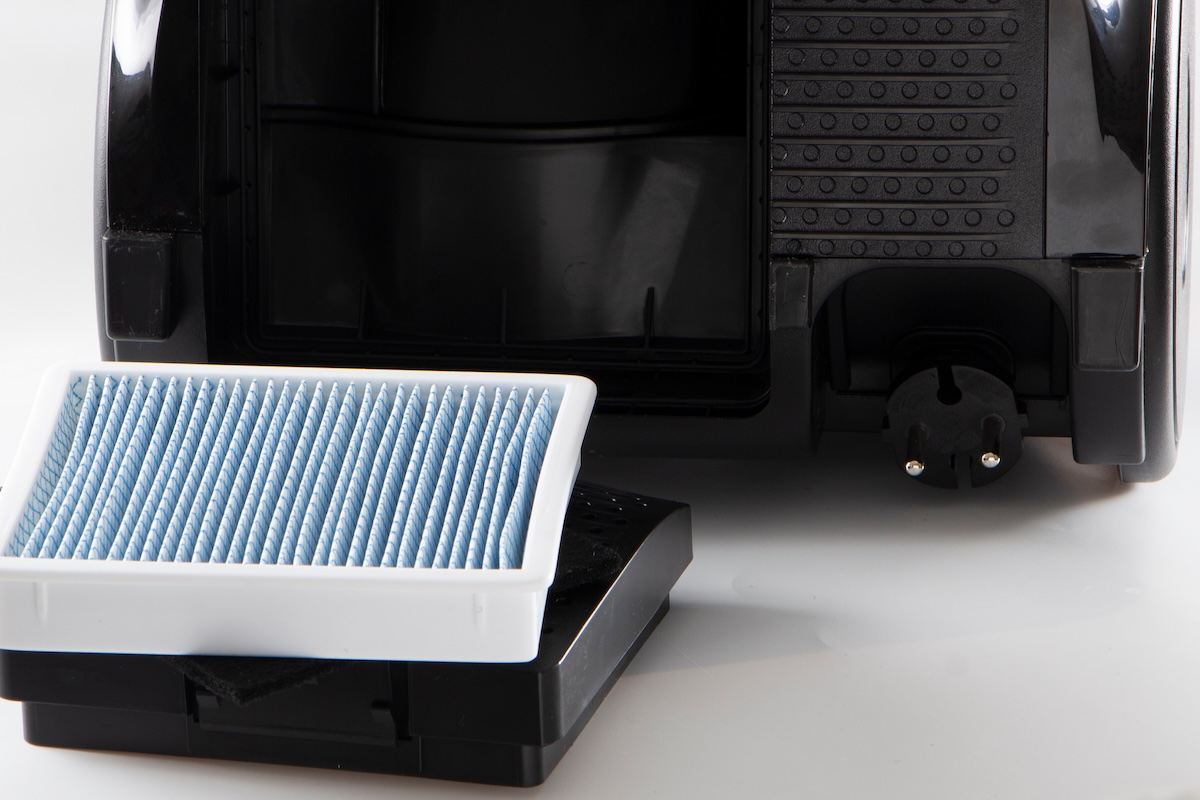
The 0.3-micron figure is the key to understanding why HEPA matters for allergies. That size is the hardest particle for a filter to capture, what filtration engineers call the most penetrating particle size. Particles both larger and smaller than 0.3 microns are trapped with even higher efficiency.
So a filter that captures 99.97% at the hardest-to-catch size performs at least that well across the range of particles that matter, which is significant because common allergens fall right in the range HEPA is built to handle: dust mite debris, pet dander, pollen fragments, and mold spores are all captured by a true HEPA filter.
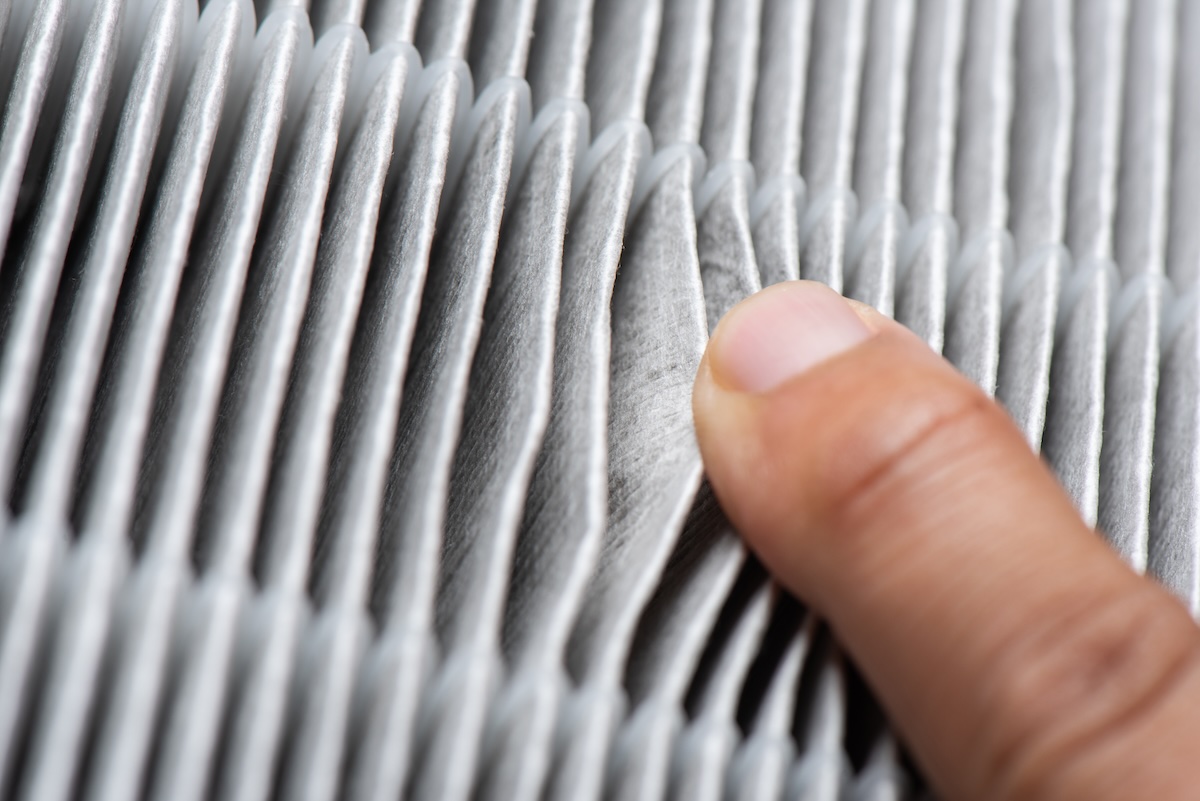
The distinction that naturally can trip vacuum cleaner shoppers up is the difference between a certified true HEPA filter and the softer marketing language that surrounds it. Terms like “HEPA-type,” “HEPA-like,” or “99% HEPA” describe filters that may not meet the actual HEPA standard. They may capture larger particles adequately, but fall short on the fine allergenic particles that a true HEPA filter is specifically designed to trap. For an allergy household, that gap is the whole point, so the word to look for is a true or certified HEPA rating, not a HEPA-adjacent phrase.
Why a HEPA Filter Alone Is Not Enough
A HEPA filter only helps if all the air moving through the vacuum is forced through that filter. In other words, a filter is only as good as the system around it.
Consider what happens inside a vacuum. Air and debris are pulled in at the floor, moved through the machine, and exhausted out the back. If the vacuum’s body has gaps, at seams, hose connections, the bag or bin compartment, or the exhaust, then some portion of that dusty air takes the path of least resistance and leaks out through those gaps, bypassing the HEPA filter entirely.
The filter can be rated to capture 99.97% of particles, but any air that goes around it rather than through it carries its allergens straight back into the room.
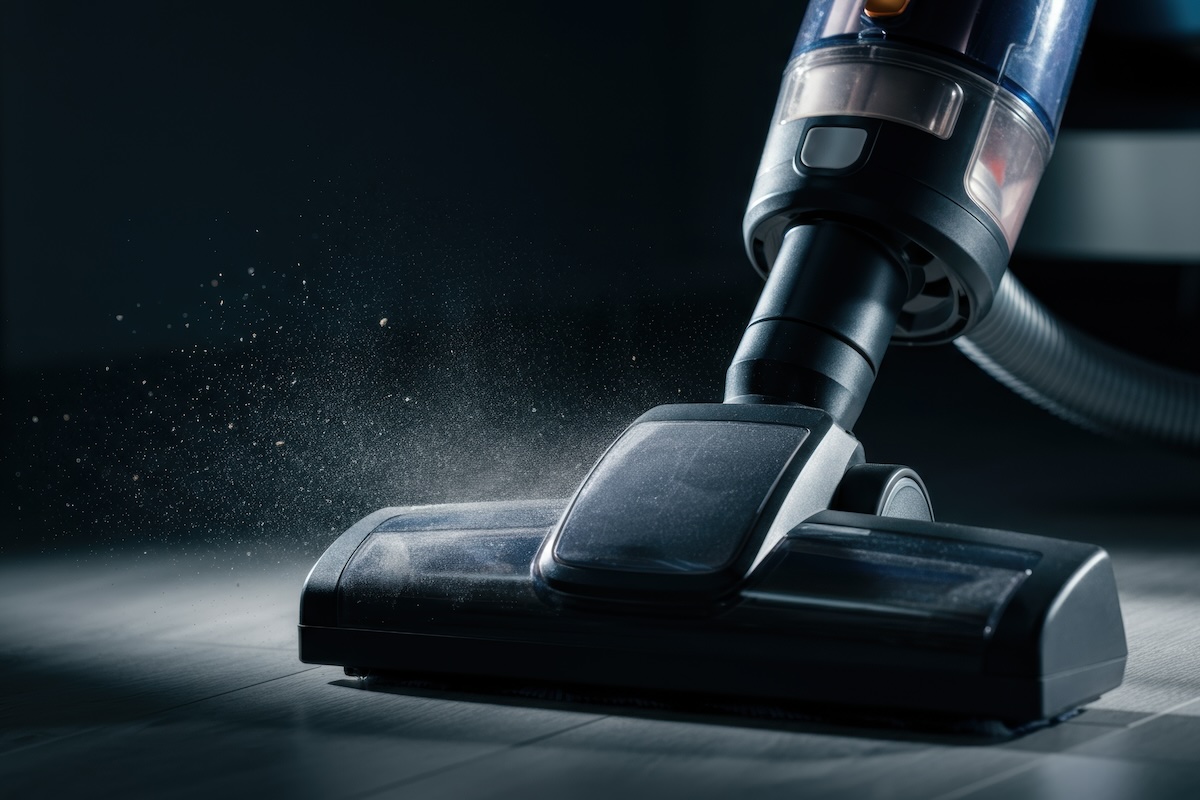
This is why the concept of a sealed system matters as much as the filter itself. A sealed-system vacuum is engineered so that the entire airflow path is closed, forcing every bit of air the machine pulls in to pass through the filtration before it exits. It is the reason allergy-focused certification programs, like the one run by the Asthma and Allergy Foundation of America, test the whole machine for how well it minimizes particle release, rather than testing the filter in isolation. A HEPA filter in a leaky vacuum is a little like a screen door on a submarine: the component is fine, but the system defeats it.
When shopping, this means looking past the filter spec to whether the manufacturer describes the vacuum as a sealed system. A true HEPA filter and a sealed body work together; neither delivers its full benefit without the other.
Bagged vs. Bagless for Allergy Sufferers
Filtration and sealing determine what happens while you vacuum. What happens when you empty the vacuum is a separate, equally important question, and it is where bagged and bagless designs diverge sharply for allergy households.
Emptying a bagless canister releases a cloud of fine dust at the moment you open it over the trash, exposing you directly to the concentrated allergens you just collected. For someone with dust mite or pet allergies, that exposure can undo much of the benefit of vacuuming in the first place. Emptying bagless canisters measurably raises short-term airborne allergen levels in the immediate area—and you can visually see when (and why) this happens with your own eyes.

A bagged vacuum handles disposal differently. The bag seals as it is removed, most disposable bags have a self-closing collar over the opening, so the collected debris is contained and discarded without releasing it back into the room.
For this reason, bagged vacuums are widely recommended for allergy and asthma households. The American Lung Association notes that vacuums certified for air quality tend to be bagged upright models with sealed HEPA filtration. Many bagless models do not include a true HEPA filter at all.
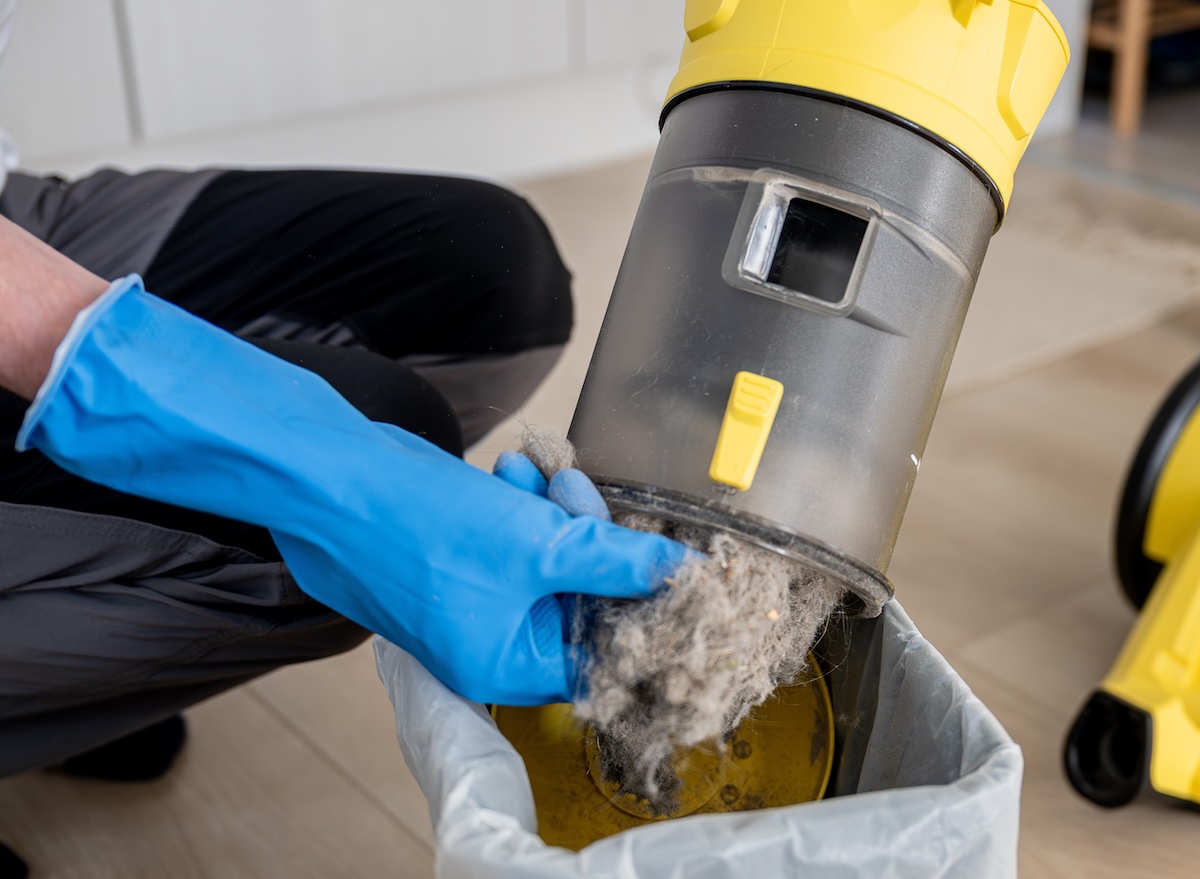
None of this makes bagless vacuums useless, but for a household where allergies or asthma are a genuine concern, the sealed disposal of a bagged vacuum removes one of the biggest points of allergen re-exposure.
The Features That Matter Most for Allergies
Beyond a true HEPA filter and a sealed system, a few other features meaningfully affect how well a vacuum controls allergens.
| Feature | Why it matters for allergies |
|---|---|
| True HEPA filter | Captures 99.97% of particles at 0.3 microns, the size range of dust mite debris, dander, and pollen |
| Sealed system | Forces all air through the filter instead of leaking dusty air out through gaps |
| Bagged design | Seals debris on disposal, avoiding the dust cloud a bagless canister releases |
| Strong, consistent suction | Pulls embedded allergens out of deep carpet where they otherwise stay and resurface |
| Quality brush roll | Agitates carpet fibers so more embedded particulate is released and collected |
| Certification mark | Third-party testing of the whole machine, beyond the filter alone, confirms real-world performance |
That last point is worth emphasizing. The Asthma and Allergy Foundation of America runs a certification program that tests whether a vacuum, as a complete system, reduces allergen exposure rather than merely containing a qualifying filter. A certification mark reflects testing of the entire machine, which is a more meaningful signal than a filter spec alone.
Suction Matters as Much as Filtration
Filtration determines what a vacuum keeps. Suction and agitation determine what it manages to pull out of your floors in the first place, and for allergies, that half of the equation is easy to overlook.
Dust mite allergen and pet dander work their way deep into carpet fibers and upholstery, well below the surface. A vacuum with weak suction or a poor brush roll skims the surface and leaves the embedded allergens in place, where foot traffic later stirs them back into the air. Strong, consistent suction paired with an effective brush roll reaches deeper and removes more of what is triggering symptoms.
This is one reason a well-built vacuum with a quality motor and a proper agitator tends to outperform a lightweight or bargain machine for allergy control, even when both claim HEPA filtration. The filter cannot capture what the vacuum never pulled up.
Brands Known for Allergy-Grade Filtration
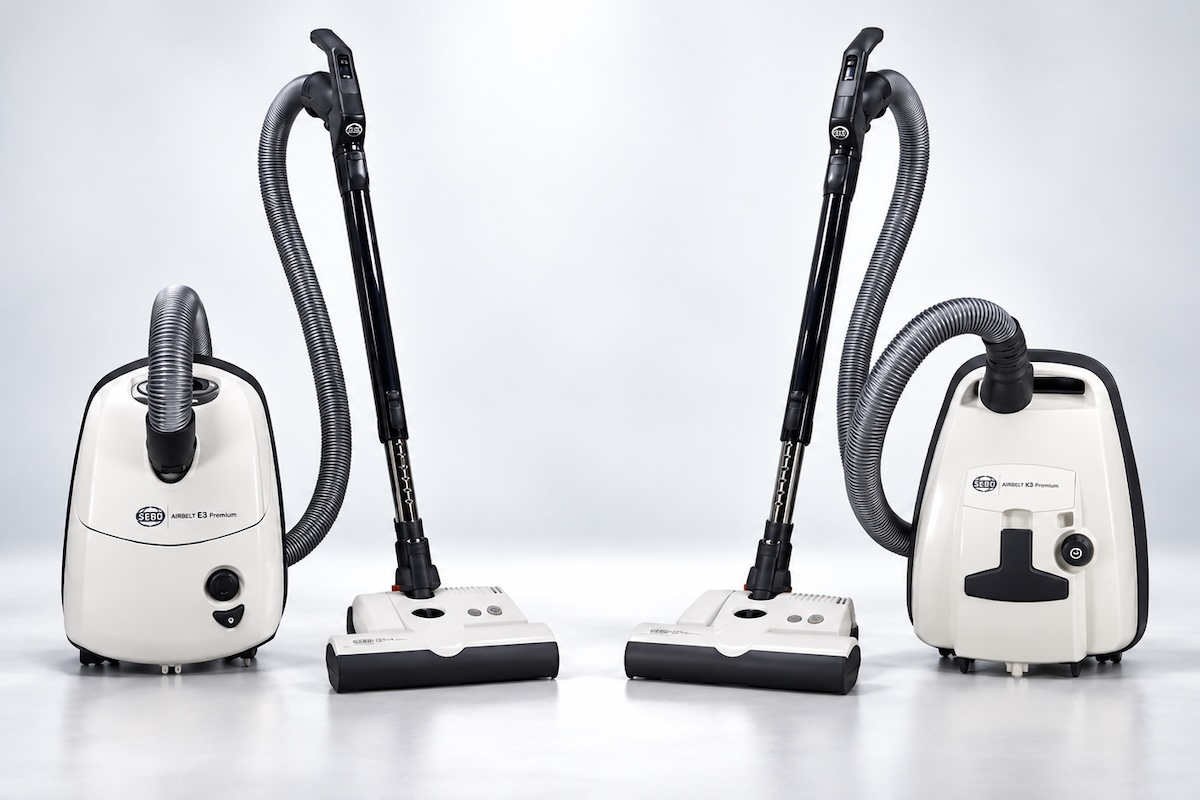
A handful of established vacuum manufacturers have built their reputations around exactly the combination that matters for allergies: true HEPA filtration inside a properly sealed system, usually in a bagged design. Premium vacuum brands like Miele, Riccar, and SEBO are frequently cited in this category, known for sealed filtration systems, durable construction, and the consistent suction that deep allergen removal depends on. (Miele’s sealed AirClean system, for example, is a commonly referenced illustration of how a well-engineered bag and filter combination minimizes allergen release during normal use.)
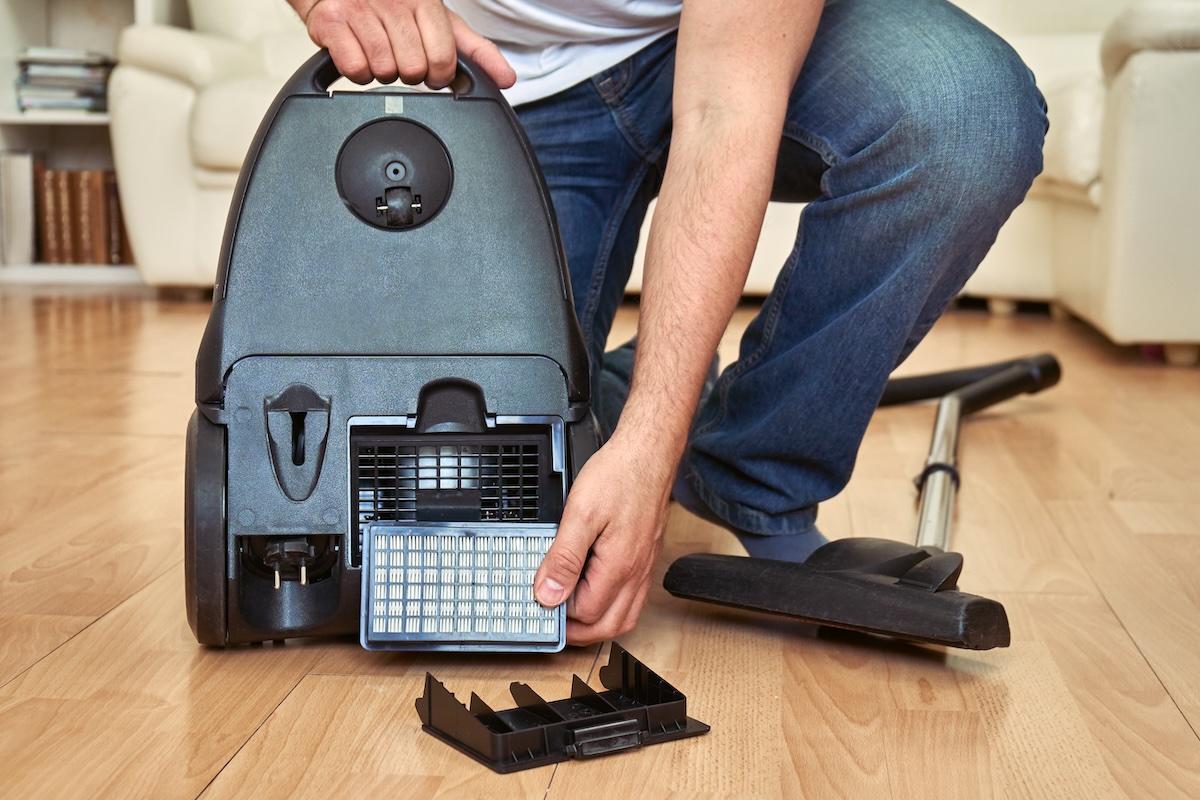
These are the caliber of machines worth comparing when allergies are the priority, not because a name guarantees results, but because these manufacturers tend to engineer the whole system, seal, filter, bag, and suction, rather than adding a HEPA filter to an otherwise leaky machine. When evaluating any vacuum, the questions are the same: Is it a true, certified HEPA filter? Is the system sealed? Is it bagged? And does it have the suction to pull allergens out of the surfaces where they hide?
Getting the Most Allergy Relief From Your Vacuum
Even the best vacuum works better with good technique and upkeep. A few habits meaningfully improve allergen control:
- Vacuum slowly and in overlapping passes. Allergen removal from carpet depends on thorough, repetitive passes. Moving too fast leaves embedded particles behind, so slow, overlapping strokes pull out significantly more.
- Vacuum regularly. Weekly, thorough vacuuming keeps allergen levels down. High-traffic and pet areas benefit from more frequent attention.
- Change bags and filters on schedule. An overfull bag or a clogged filter reduces both suction and filtration. Replacing them as recommended keeps the system performing as designed.
- Consider who does the vacuuming. If possible, the most allergy-sensitive person in the household is not the ideal choice for vacuuming, and letting disturbed dust settle afterward before they enter the room can help.
- Pair vacuuming with other measures. A vacuum is one part of allergen control, alongside washing bedding in hot water, managing humidity, and other steps. It is a tool within a plan, not a cure on its own.
A note on health: A HEPA vacuum can reduce allergen exposure, but it is not a substitute for medical care. Anyone managing significant allergies or asthma should work with a physician on a complete plan. This article is general information, not medical advice.
Frequently Asked Questions
Q: Do I really need a HEPA vacuum if I have allergies?
A: For a household managing dust mite, pet, or pollen allergies, a true HEPA vacuum offers a real advantage: it captures the fine allergenic particles that standard vacuums often exhaust back into the air. The benefit is strongest when the HEPA filter is paired with a sealed system and a bagged design, so allergens are contained both during vacuuming and during disposal.
Q: What is the difference between HEPA and “HEPA-type” filters?
A: A true HEPA filter meets a defined standard: capturing at least 99.97% of particles at 0.3 microns. Terms like “HEPA-type,” “HEPA-like,” or “99% HEPA” describe filters that do not meet that standard.
They may handle larger particles but fall short on the fine allergenic particles that matter most for allergies. Look for “true HEPA” or “certified HEPA” rather than a HEPA-adjacent phrase.
Q: Why is a sealed system important?
A: Because a HEPA filter only helps if all the air passes through it. If a vacuum has gaps at its seams, connections, or exhaust, dusty air leaks out around the filter, carrying allergens back into the room. A sealed system forces the entire airflow through the filtration, which is what lets the HEPA filter do its job.
Q: Are bagged vacuums better than bagless for allergies?
A: Generally, yes, for allergy sufferers specifically. The main reason is disposal: a bagged vacuum seals its contents when the bag is removed, while emptying a bagless canister releases a cloud of fine dust and allergens into the air. Many allergy and asthma organizations recommend bagged vacuums with HEPA filtration for this reason.
Q: Will a HEPA vacuum help with pet dander?
A: Yes. Pet dander is a fine particle that falls within the range a true HEPA filter captures. A HEPA vacuum with a sealed system and strong suction removes dander from carpet, upholstery, and floors and keeps it contained rather than recirculating it, which can meaningfully reduce exposure in homes with pets.
Q: How often should I replace the HEPA filter?
A: It depends on the vacuum and how much you use it, so the manufacturer’s guidance is the best reference. HEPA filters gradually clog and lose effectiveness over time, so replacing them on schedule keeps both filtration and suction working as intended. In a busy or dusty home, filters need replacing more often.
Choosing a vacuum for allergies comes down to 4 things working together: a true, certified HEPA filter; a sealed system that forces all air through it; a bagged design that contains allergens on disposal; and the suction to pull embedded allergens out of your floors in the first place. A machine that combines all 4 of these can do far more for an allergic household than one that simply lists “HEPA” on the box.
Edison Vacuum of Greater Nashville carries and services quality sealed-system HEPA vacuums from many different brands, and our team can help you match the right machine to your home and your allergy needs. Feel free to stop by, call 615-255-3292, or click here to reach us through our contact page.