Whether you’re making a small wall hanging, a baby quilt, or a king-size heirloom quilt meant to be passed down for generations, every project begins with the same basic foundation: the right supplies.
Fabric usually gets the attention first, and that’s for very good reason. Choosing colors, textures, and patterns is one of the most enjoyable parts of quilting. But experienced quilters know that beautiful fabric is only the beginning. The tools used to cut, sew, press, and assemble those fabrics are what help a quilt come together accurately and hold up for years.
If you’re looking for more information about quilting resources in the Greater Nashville, TN area, including the closure of the great Stitchers Garden and where quilters can continue finding fabric and sewing supplies, be sure to check out Stitchers Garden Closed – Where to Find Quilting Fabric & Sewing Supplies in Brentwood.
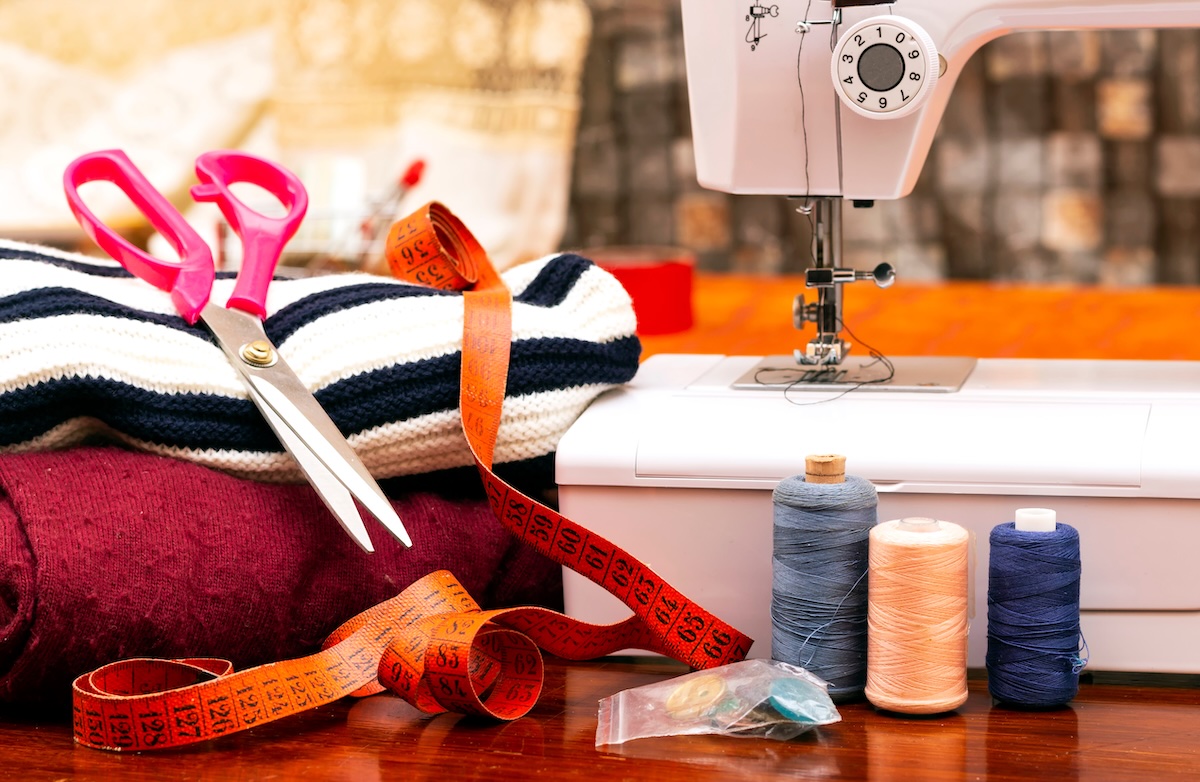
A well-equipped quilting space does not happen overnight. Most quilters build their collection gradually, adding tools as they learn new techniques and take on more ambitious projects. A beginner may start with only a sewing machine, rotary cutter, ruler, cutting mat, thread and fabric, while a longtime quilter may have shelves full of specialty rulers, pressing tools, precuts, batting options, and carefully organized fabric collections.
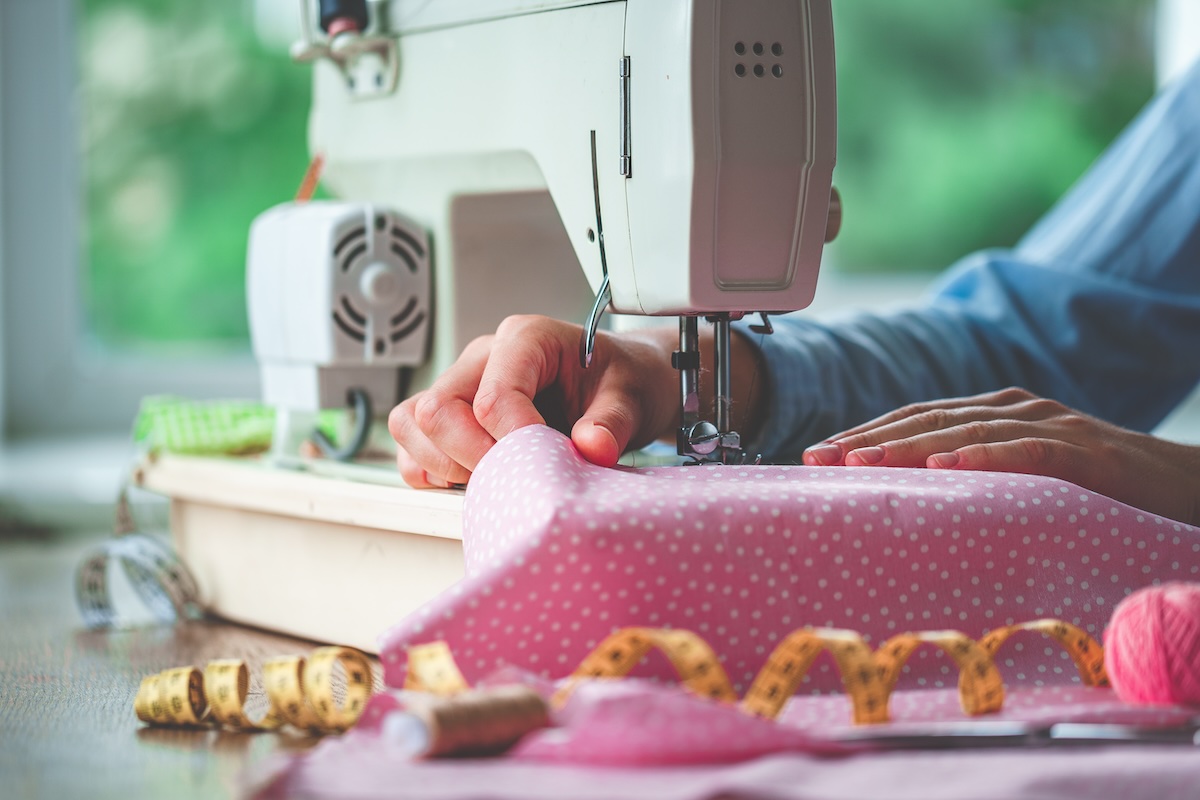
Whether you are setting up your first sewing area, replacing worn-out tools, or simply trying to understand what supplies are actually worth investing in, this guide covers the essentials that quilters rely on every day.
Quilting Fabric
Every quilt begins with fabric, and for most quilting projects, that means 100% quilting cotton.
Quilting cotton is popular because it offers the qualities quilters need most: a tight weave, reliable structure, durability, and the ability to withstand repeated cutting, stitching, pressing, and washing. Unlike some apparel fabrics that stretch, shift, or behave unpredictably during construction, quilting cotton provides the stability needed for precise piecing.
Now fabric selection is also where much of the creative process begins. Quilters often spend just as much time considering color relationships, pattern scale, and contrast as they do choosing a specific design.
A quilt made entirely from bold prints can create a completely different feeling than one built from soft neutrals, subtle textures, or carefully coordinated shades. Some quilters enjoy selecting each fabric individually and building a collection slowly over time. Others prefer curated fabric collections where the colors and prints have already been designed to work together.
When choosing quilting fabric, consider more than just whether you like the print. A few factors can affect the finished quilt:
- Fabric weight: Quality quilting cottons generally have a similar weight and feel, but differences between manufacturers can affect how fabrics sew together.
- Weave/quality: A tightly woven fabric is easier to cut accurately and less likely to fray excessively during construction.
- Colorfastness: High-quality fabrics are less likely to bleed or fade after washing.
- Print scale: Large-scale prints can be beautiful but may need larger pieces to showcase the design, while smaller prints often work well for intricate piecing.
Many quilters eventually develop a feel for fabric quality simply by handling different collections. The difference between a fabric that presses beautifully and one that shifts or feels stiff becomes obvious after enough time at the sewing machine.
Fabric Precuts
Precut fabrics have become one of the most popular ways for quilters to save preparation time while still working with coordinated collections.
Instead of purchasing several yards of fabric and cutting every piece manually, precuts contain fabric pieces that have already been cut into standard quilting sizes. They are especially useful for patterns designed around specific collections, allowing quilters to work with many coordinating prints without buying large amounts of each one.
Common quilting precuts include:
- Fat Quarters: One of the most versatile precuts, measuring approximately 18″ x 22″. Fat quarters provide enough fabric for many quilt blocks and are popular for sampler quilts and scrappy designs.
- Fat Eighths: Smaller versions of fat quarters, often used when a pattern requires many different fabrics.
- Charm Packs: Usually contain 5″ squares featuring an entire fabric collection.
- Mini Charm Packs: Smaller 2.5″ squares commonly used for accents and smaller projects.
- Jelly Rolls: Collections of 2.5″ wide fabric strips, often used for strip piecing.
- Layer Cakes: Collections of 10″ squares that work well for larger blocks.
- Honey Buns: Narrow 1.5″ strips designed for strip-based patterns.
- Dessert Rolls: Longer strips commonly used in strip piecing projects.
Precuts are especially appealing for newer quilters because they remove some of the intimidation that comes with cutting large amounts of fabric. They also allow makers to experiment with different colors and patterns without committing to yardage of every fabric in a collection.
Experienced quilters often keep precuts on hand as well, especially when they want to start a project quickly or use a fabric line exactly as it was designed.
Quilt Kits
For quilters who want a straightforward starting point, quilt kits can be an excellent option.
A quilt kit typically includes the fabric needed for the quilt top along with a pattern and cutting instructions. Many kits also include binding fabric and background fabric, although batting and backing fabric may need to be purchased separately depending on the manufacturer.
The biggest advantage of a quilt kit is coordination. Selecting fabrics for a quilt can be one of the most enjoyable parts of the process, but it can also be one of the most challenging — especially for beginners. A kit removes the pressure of trying to determine whether colors, values, and patterns will work together.
Quilt kits are also popular with experienced quilters who appreciate the convenience of having everything planned out before starting a project.
They are not simply a shortcut. Many beautifully designed kits feature carefully selected fabrics and patterns from well-known designers, giving quilters a chance to create something polished without spending hours assembling the materials.
Quilt Patterns
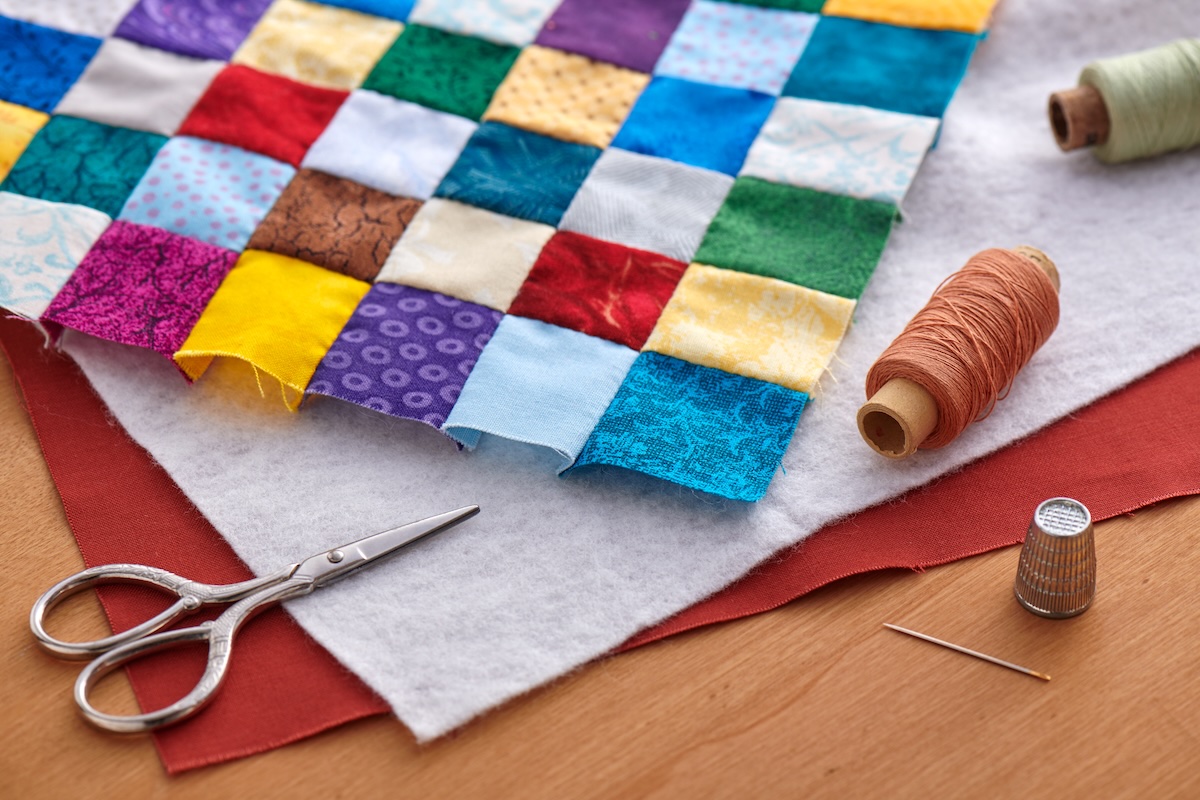
A quilt pattern serves as the roadmap for a project.
Patterns provide instructions for cutting fabric, assembling blocks, arranging pieces, and completing the final quilt. They range from simple beginner patterns featuring basic squares and rectangles to advanced designs involving curved piecing, appliqué, foundation paper piecing, and intricate geometric layouts.
For beginners, a good pattern can help build confidence by teaching important skills such as accurate cutting, consistent seam allowances, and proper pressing techniques.
As quilters gain experience, many begin modifying patterns to suit their own style. They may change colors, adjust block layouts, combine elements from different patterns, or eventually create completely original designs.
Even experienced quilters often continue using professionally written patterns because a well-designed pattern saves time and provides inspiration. Many of the most accomplished quilters still enjoy following someone else’s creative vision from time to time.
Quilt Batting
Batting is the layer between the quilt top and backing fabric, and it has a major impact on how the finished quilt feels and functions.
The type of batting you choose affects the quilt’s warmth, weight, drape, texture, and even the way stitches appear. Some quilts are designed to be lightweight and flexible, while others are meant to provide substantial warmth during colder months.
Common batting materials include:
- Cotton
- Polyester
- Cotton/polyester blends
- Wool
- Bamboo
Cotton batting is a traditional favorite because it creates a soft, natural feel and develops the slightly crinkled appearance many people associate with classic quilts after washing.
Polyester batting generally provides more loft, meaning the quilt appears fuller and has a lighter, puffier feel.
Wool batting is prized for warmth while remaining relatively lightweight, making it popular for quilts intended for colder climates.
Bamboo batting offers a soft drape and is often chosen by quilters looking for a smooth, lightweight option.
The right batting depends on the purpose of the quilt. A decorative wall hanging may require something very different from a quilt used every night on a bed. Quilters also consider how closely they want the quilting stitches spaced and how much texture they want the finished piece to have.
Thread
Thread may seem like a small detail compared with fabric, but it plays a major role in both the appearance and durability of a quilt.
Quality thread helps create stronger seams, smoother stitching, and fewer problems with breakage or lint buildup. Most quilters use cotton or polyester thread depending on the project and personal preference.
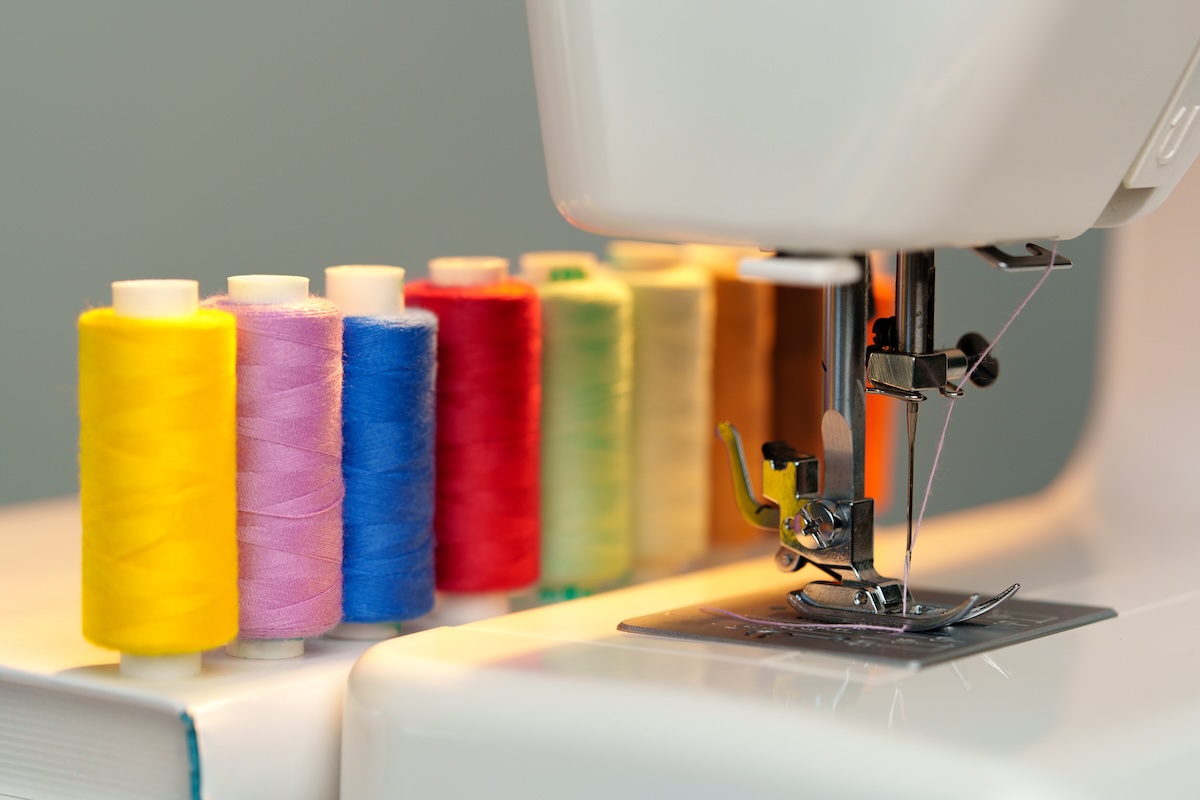
Cotton thread is a popular choice for traditional quilting because it pairs naturally with cotton fabrics. Polyester thread is known for strength and flexibility and can be useful for projects that need extra durability.
The most important thing is choosing thread that works well with your fabric, sewing machine, and technique. The wrong thread weight or poor-quality thread can create tension problems, uneven stitches, or unnecessary frustration.
Many quilters keep several thread colors available, but neutral shades such as cream, gray, beige, and white are often among the most frequently used because they blend well with many fabric combinations.
Rotary Cutting Tools
Accurate cutting is one of the foundations of successful quilting.
Most quilters keep several rotary cutters available, along with replacement blades to ensure clean, precise cuts. A sharp blade makes cutting easier while reducing fabric distortion.
Rotary cutting is typically paired with two other essential tools:
- Self-healing cutting mats
- Acrylic quilting rulers
Together, these tools help produce consistent pieces that fit together more accurately during assembly.
Quilting Rulers
Quilting rulers are designed with clear measurement markings and angle guides that simplify cutting squares, strips, triangles, and other shapes.
Many quilters gradually build a collection of rulers in different sizes as they tackle more complex projects.
Pins, Clips, and Marking Tools
Small accessories often make a surprisingly large difference during quilting.
Common notions include:
- Fine quilting pins
- Wonder clips
- Fabric marking pencils
- Water-soluble markers
- Hera markers
- Seam gauges
- Point turners
These tools help maintain accuracy throughout every stage of construction while making detailed work easier to manage.
Needles
Different projects require different needles.
Universal needles work well for many everyday sewing tasks, while quilting needles are specifically designed to stitch through multiple fabric layers. Machine embroidery, metallic thread, and heavy fabrics may each require specialized needle types.
Replacing sewing machine needles regularly helps maintain stitch quality and reduces the likelihood of skipped stitches or damaged fabric.
Pressing Supplies
Pressing plays an important role in achieving crisp seams and accurate quilt blocks.
Most quilting workstations include:
- Steam iron
- Pressing surface
- Spray starch or pressing spray
- Tailor’s clapper
- Wool pressing mat
Careful pressing throughout construction often improves accuracy more than trying to correct problems later.
Sewing Machine Maintenance Supplies
Even high-quality sewing machines benefit from routine maintenance. Like any artist’s tool that gets regular use, a little attention along the way can help prevent small issues from turning into frustrating interruptions… right when inspiration strikes!
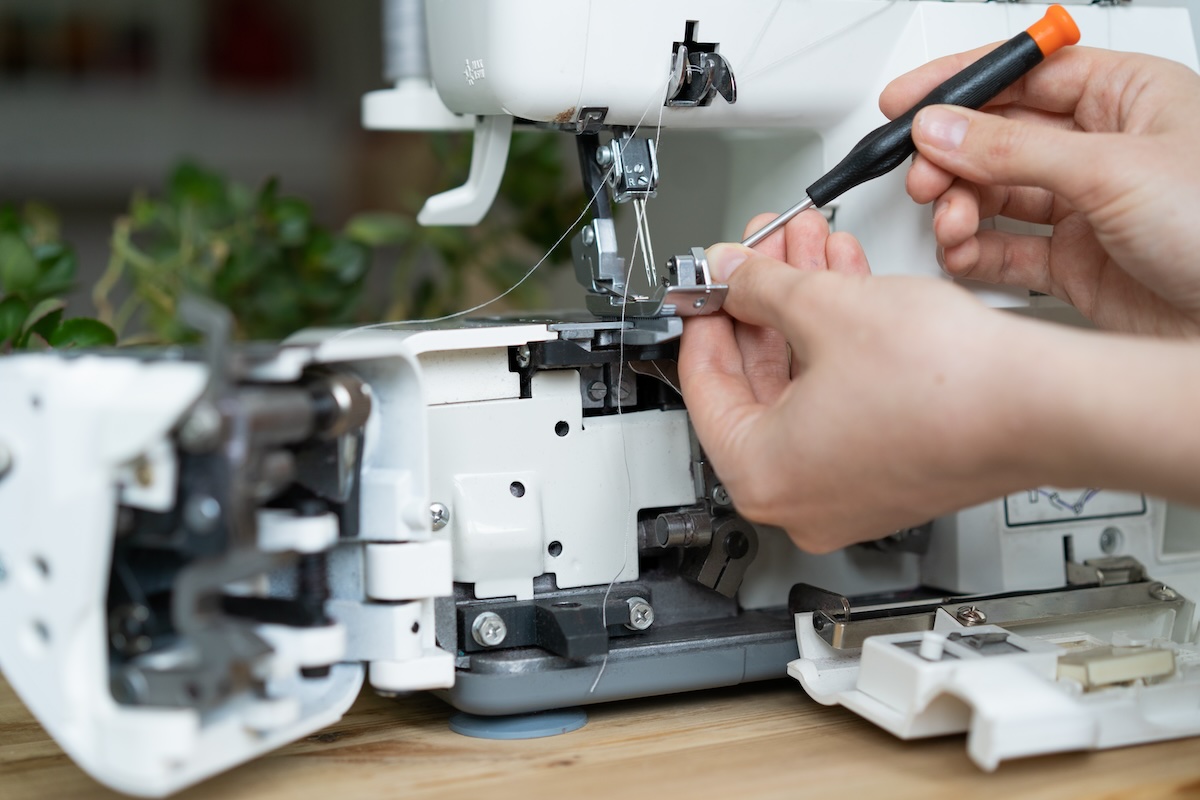
That said, some basic sewing machine maintenance and repair supplies include:
- Lint brushes
- Small screwdrivers
- Soft cleaning cloths
- Replacement bobbins
- Extra needles
- Machine oil (when recommended by the manufacturer)
Keeping a machine clean helps maintain consistent stitch quality and can extend its service life.
Storage and Organization
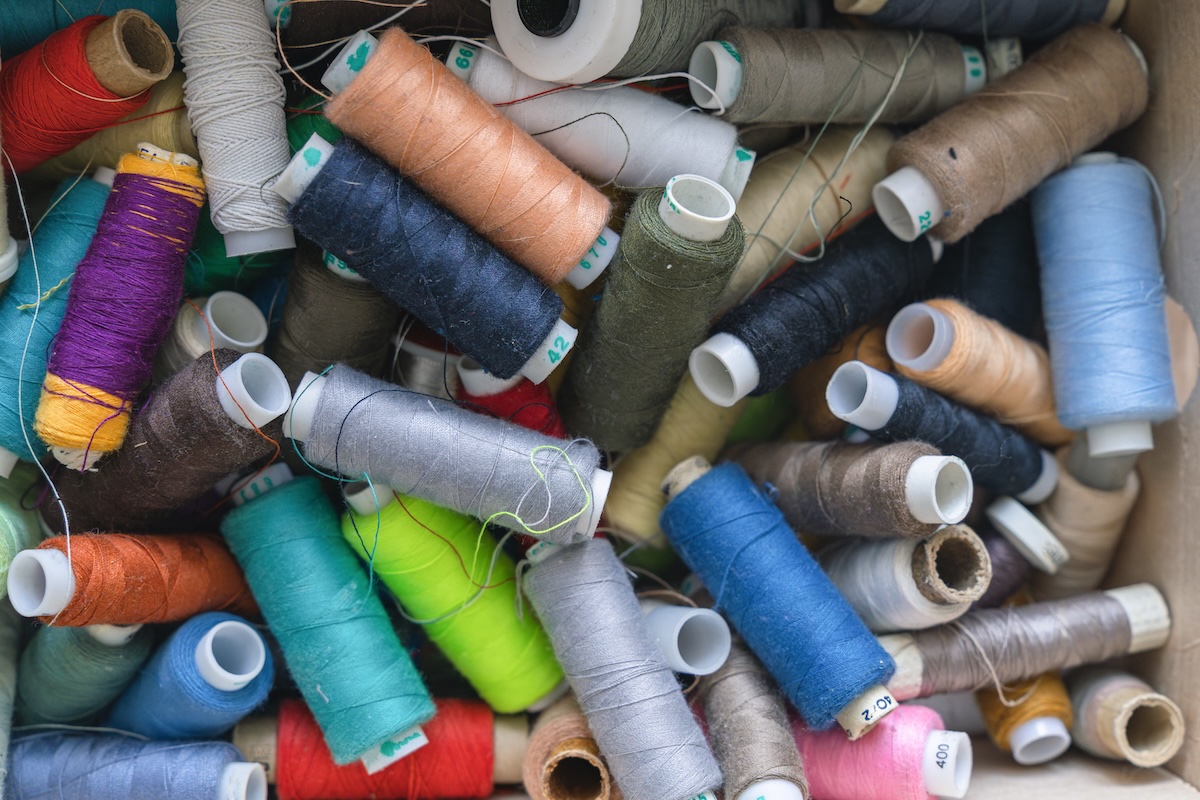
As fabric collections grow, organization becomes increasingly important.
Many quilters use clear storage bins, shelving, thread organizers, and labeled containers to keep fabrics, notions, rulers, and works in progress easily accessible.
A well-organized sewing space makes projects easier to start and reduces time spent searching for supplies.
Building Your Collection Over Time
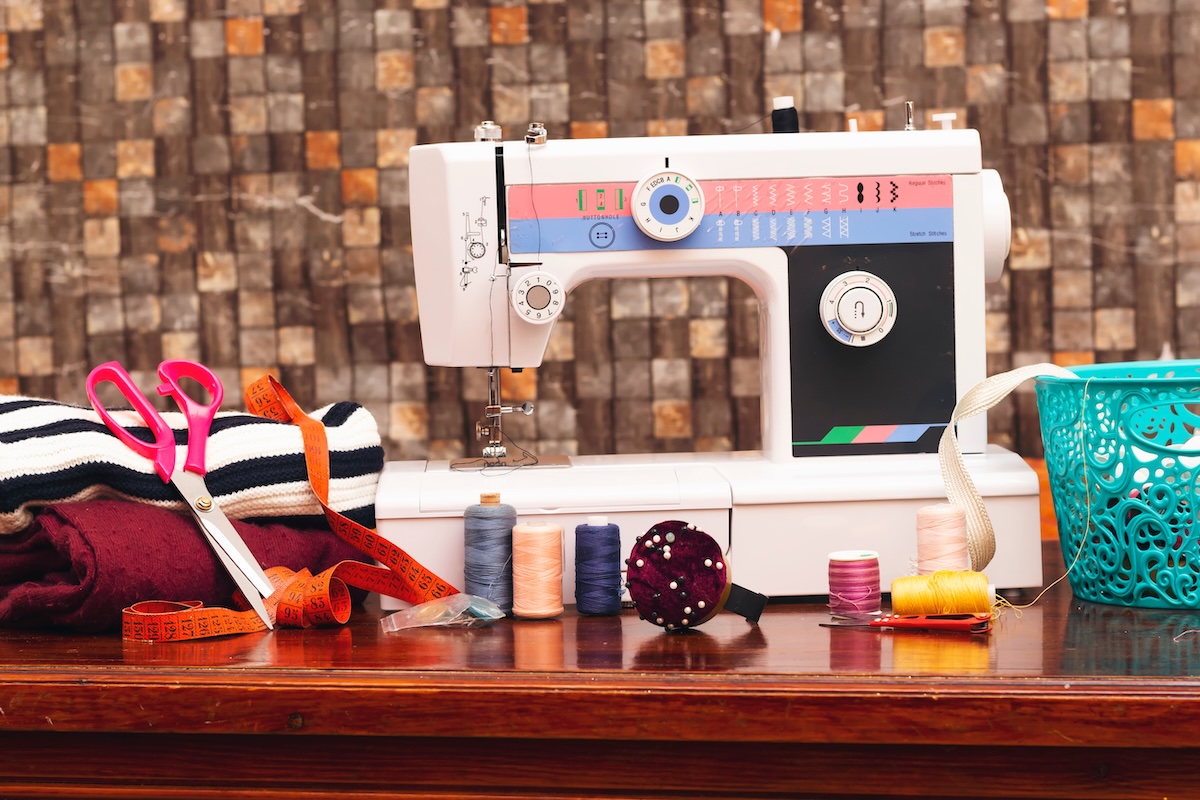
One of the best things about quilting is that you really don’t need to purchase everything at once.
A lot of quilters will begin with a sewing machine, rotary cutter, ruler, cutting mat, thread, and a handful of fabrics. As skills develop (and projects become more ambitious) additional rulers, specialty notions, batting options, and pressing tools will just naturally become part of the collection.
Whether you’re making your first quilt or your 50th, investing in quality supplies can make the quilting process more enjoyable from the first cut to the final stitch.