Dragging a heavy vacuum up the stairs gets old fast. Same with wrestling a chunky machine around table legs or squeezing it into a hallway closet like you’re playing real-life Tetris. At some point, you just want something that works—and doesn’t feel like a full-body workout every time you clean.
And look, maybe you’ve made peace with your current vacuum. You know its quirks. You know which corner it always snags in, how the cord never quite reaches the last 2 feet of the room, and that weird noise it started making last spring that you’re still ignoring. But deep down, you’re probably wondering if there’s a better way to do this. A way that doesn’t involve strategy, stretching, or swearing.
That’s when you might want to consider a lightweight upright. These types of vacuums aren’t just smaller and lighter. The best vacuum cleaners in this category are smarter about how they move, how they’re built, and how much energy it takes to get a clean floor.
They’re kind of like switching from a landline to a cellphone—same basic purpose, way less hassle. Except you still need to vacuum, and your floors don’t care how tired you are. That’s why it helps to know which lightweight upright vacuums are the best, which ones are built to last, and how to choose the right one for the way your home’s set up.
What Counts as a “Lightweight” Upright?
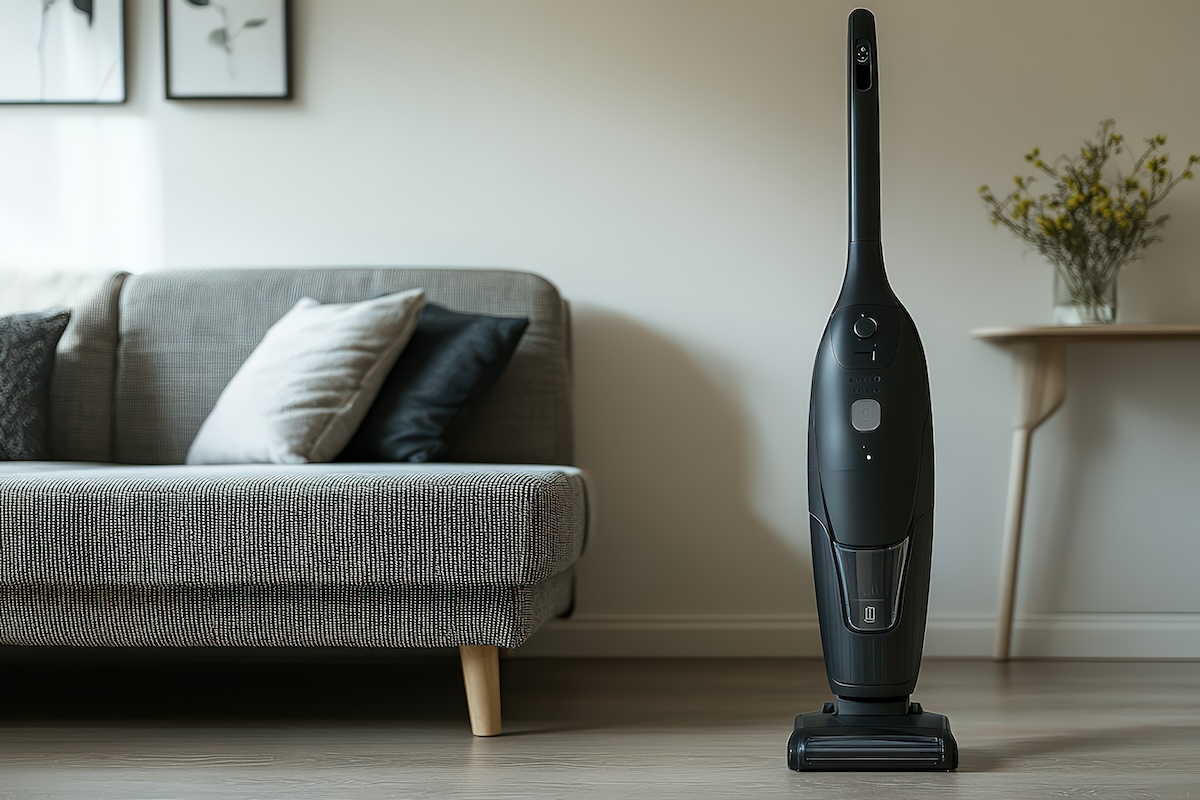
In 2026, it seems like companies will slap the word “lightweight” on anything under 20 pounds. That’s marketing. In reality, a proper lightweight upright usually lands somewhere around 8 to 11 pounds, and it’s designed from the ground up to stay that way—not just a big vacuum with a few plastic parts swapped in to shave ounces.
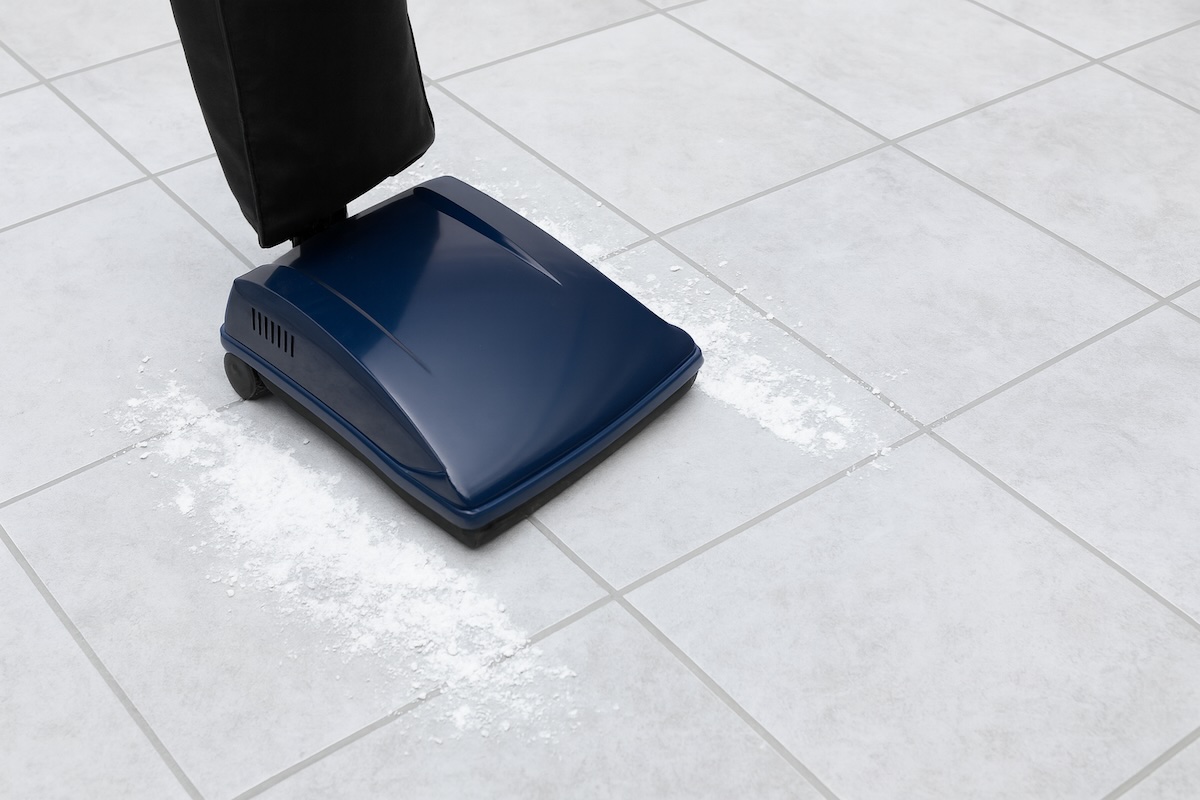
Most don’t come with a lot of hose attachments or onboard gadgets. They typically focus on straightforward floor cleaning. Just push, lift, and go. They’re designed to be the kind of machine you can grab with one hand and carry up the stairs.
When a Lighter Vacuum Cleaner Just Makes Sense
Not every household needs a vacuum that could double as gym equipment. If you’ve got:
- A small-to-medium home
- Stairs you vacuum regularly
- Storage space that barely fits a broom
- Pets or kids that make you clean often
…then a lightweight upright probably fits your life better than something twice the size and twice as complicated.
Now if we’re being honest, some days, the energy to vacuum might already be running on fumes. The last thing you need is to brace yourself for a mini workout every time you want to vacuum dog or cat hair off the rug. With a good lightweight vac, you don’t have to psych yourself up. You can just grab it and go.
For seniors—or anyone dealing with arthritis, back issues, or just plain not wanting to wrestle a heavy machine anymore—lightweight uprights can be a real game changer. They’re easier to lift, store, and push across the floor, which means cleaning doesn’t have to feel like a chore you need to recover from. A good lightweight vac doesn’t demand much strength or stamina, and that alone makes it one of the more practical upgrades.
You don’t have to be a minimalist or live in a studio apartment to appreciate not hauling 15 pounds every time the dog tracks in leaves. Even in bigger homes with lots of square footage to cover, there’s something great about having a lightweight “daily driver”—a machine that won’t tire you out, but still feels built for the realities of real-life messes.
And to be clear—these easier-to-handle, lightweight machines aren’t glorified dustbusters that will fall apart in a few years. A good one pulls up debris, digs into carpet, and doesn’t feel like it’s about to fall apart if you bump it into a chair leg. They’re simple, but they’re built to work. And once you’ve used a premium lightweight model that’s well made, going back to one of those bulky, big box store vacuums feels like putting on dress shoes to mow the lawn. You can do it—but why would you want to?
How to Spot the Best Lightweight Uprights
Some vacuums look the part—sleek body, modern buttons, maybe even a light-up nozzle—but the second you start using them, the illusion cracks. You’re pushing this thing around with the best of intentions, but it’s just sort of… gliding over the mess, humming loudly, and leaving everything exactly where it found it. That’s when you realize: not all lightweight vacuums are built to clean. Some are just built to sell (and be replaced).
So here’s what separates the good ones from the ones that end up stashed in the garage six months later.
- Start with airflow. A vacuum doesn’t need to sound like a jet engine to do a good job, but it does need to hold its suction as it fills. If the bag or bin gets half full and suddenly you’re just pushing a dead weight, something’s off in the design. Sealed airflow paths tend to perform better over time—less air escaping where it shouldn’t, more dirt ending up where it should.
- Take a look at the brushroll. This part does a lot of the heavy lifting on carpet, and it’s easy to overlook. Some cheaper models include something that spins, sure, but doesn’t actually agitate the fibers or pull anything up. A good brushroll should have bristles with a bit of edge to them—not harsh, but firm enough to stir up dirt that’s settled in.
- Check the parts. If you pop off the bottom plate and it feels like a dollar-store toy, that’s a clue to look elsewhere. The better lightweight vacuums are designed with maintenance in mind. Belts, brushrolls, filters, and bags can all be replaceable without needing a toolkit that looks like it belongs in a mechanic’s bay.
- And last but not least… dust containment. If your vacuum kicks out a little puff every time you turn it on, or if it smells faintly like drywall or old socks, it’s leaking somewhere. That’s more than just an annoyance. It means whatever you just picked up might be heading right back into the air. Look for models with well-fitted bags, solid gaskets, and post-motor filters that do their job quietly and reliably.
The Riccar R10E is a solid example of a machine that gets all of this right. It’s pared down, but thoughtfully built—strong motor, decent filtration, nothing fussy or fragile. Their SupraLite line—which includes models like the R10E, R10S, and R10CV—is entirely bagged, and intentionally so. These machines are designed to focus on:
- Strong sealed suction
- HEPA-level bagged filtration
- Low weight (~8–11 lbs)
Of course, there are other good options out there. Focus on how well the vacuum is built, what problems it’s solving, and how well it’s likely to hold up once it’s out of the box.
Bagged vs. Bagless
This comparison tends to split the room. Some folks swear by bagless vacuums because they don’t like the idea of buying compatible replacement bags—and it feels satisfying to see all that dirt collected in a clear bin like a trophy from battle. But then comes the part where you have to empty it.
If you’ve ever dumped a canister into the trash and watched a visible plume of dust rise up and drift directly into your face, you already know: not ideal.

Bagless vacuums often promise convenience, but they can be messy to maintain, especially if you’re dealing with fine particles, pet dander, or anything light enough to hang in the air longer than you’d like.
Bagged systems don’t have that problem. You just remove the full bag, toss it, and pop in a new one—done. The better models seal off automatically when you pull them out, so you’re not handling the mess, you’re just getting rid of it.
They also tend to hold more before you have to deal with them, and they don’t lose performance as quickly. With lightweight vacuums in particular, that matters more than you’d think. Bagless units often start strong and fade fast as the bin fills, while bagged models usually keep steady suction until it’s time to swap.
And if anyone in the house has allergies, asthma, or just a sensitive nose, the choice is even easier. Go with a sealed bagged vacuum that uses HEPA filtration.
Cordless vs. Plug-In
Cordless vacuums sound great on paper—no cord to trip over, no need to keep switching outlets, and nothing dragging behind you while you try to clean under a chair. And for some setups, they’re a perfect match. If you’re mostly vacuuming short bursts in open areas and don’t mind keeping an eye on the battery charge, cordless has its appeal.
But in the lightweight upright category, corded models still have a strong case:
- Most plug-in vacuums in this space are more stable in performance, especially over longer sessions. You won’t run out of power halfway through cleaning the living room, and you won’t see suction drop off as the battery drains. You plug it in, and it just works—same strength from start to finish.
- Rechargeable batteries degrade over time. After a couple of years, that 40-minute runtime might start looking more like 20, and eventually you’re back to charging halfway through your routine—or shopping for a replacement battery. Corded vacuums don’t really have that problem. As long as the cord’s intact and the motor’s healthy, they keep going.
That said, cordless isn’t off the table. If your home is small, mostly hard flooring, and you prefer the freedom of movement, it can be a nice quality-of-life upgrade. Just know what you’re giving up and what you’re gaining. For many households, especially those with carpeted rooms or regular weekly vacuuming habits, the extra reliability of a corded machine is still worth it.
Realistic Expectations: What They’re Great At (and Not)
Lightweight upright vacuums do one thing well: they clean floors. If you’re expecting most of them to handle curtains, car seats, and air filtration, you’re likely going to be disappointed. That’s not a flaw—it’s just what this type of vacuum is designed to do.
Where they shine is in the kind of cleaning most of us do regularly. They’re great for grabbing dust bunnies that blow across the floor like tumbleweeds, getting the dried leaves the dog brought in, and cleaning up the stuff you spot on your way to do something else. You don’t have to haul out a 10-piece accessory kit or wrestle with hoses and nozzles. You just grab it, use it, and put it back.
They’re ideal for:
- Daily floor pickups—crumbs in the kitchen, pet hair in the hallway, grit tracked in by shoes that no one remembers wearing
- Quick cleanups when guests are on the way and you need to make the place look “presentable”
- Anyone who wants to keep up with regular vacuuming without needing to recover afterward
That said, there are limits. If your house is wall-to-wall thick carpet and you enjoy that freshly-raked look after every clean, this probably shouldn’t be your main machine. Lightweight uprights just aren’t built to dig down as aggressively as heavier, full-powered machines with adjustable height and motorized brushrolls.
They also don’t do well in tight squeeze scenarios. Under low-profile furniture? Tricky. Most lightweight uprights have a fixed handle angle and a chunkier body that won’t lie flat the way a canister wand or swivel-head vacuum can. So if half your home’s dust seems to migrate under the couch and stay there for sport, that’s going to be a pain point. Same goes for anything above floor level—ceiling fans, stair treads, bookshelves, etc. These machines usually don’t come with hoses, and even if they do, you’re not reaching the top of a curtain rod in a high-ceilinged house with one of these unless you’re 8 feet tall or feeling especially determined.
This isn’t a knock—it’s just a tradeoff. Lightweight uprights are floor-focused specialists.
Lifespan: How Long Do They Hold Up?
The good ones will last. 10 years isn’t unusual—more if you keep up with basic maintenance. That means:
- Swapping bags before they’re stuffed
- Cutting hair out of the brushroll (yes, that includes your own)
- Replacing filters every so often
Lightweight vacuums with direct drive systems and fewer moving parts generally break less. And when something does go? A lot of premium models are built so you can fix them, not just toss them.
Final Thoughts
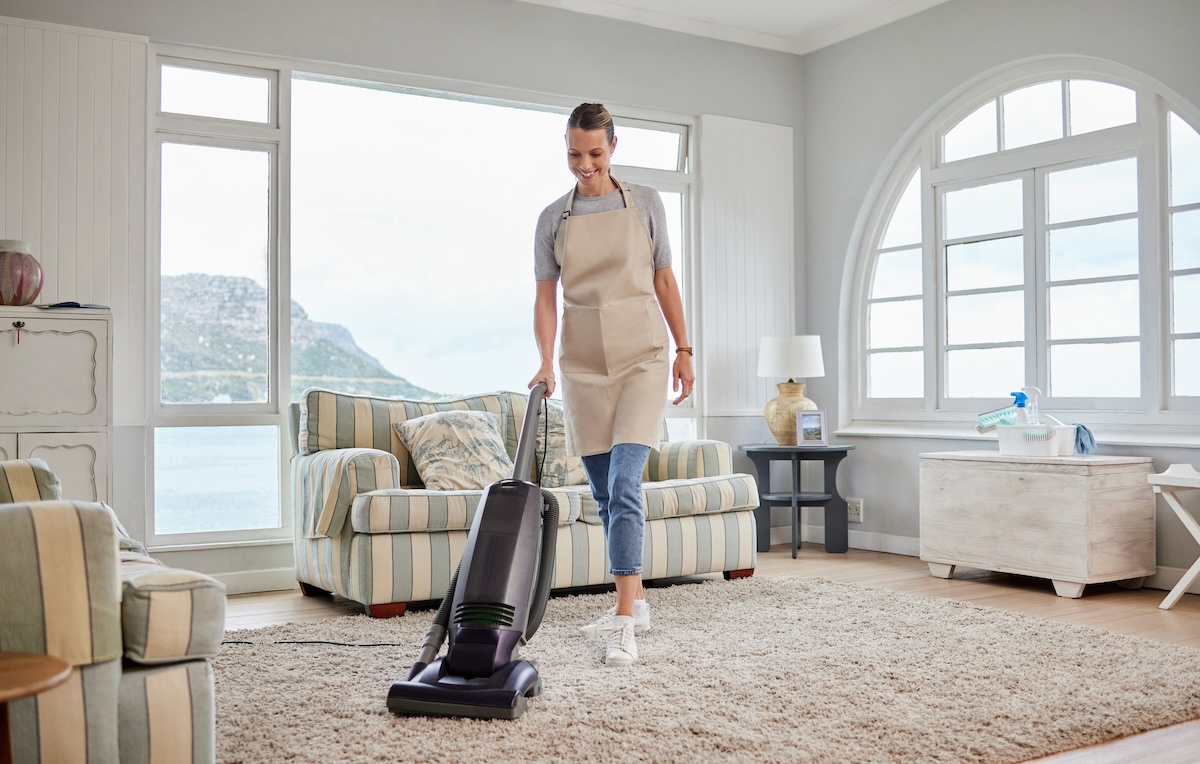
When something’s light enough to grab without hesitation, you use it more. When it doesn’t feel like you’re dragging a suitcase around your house just to clean the hallway, you’re likely to vacuum more often. Not because you suddenly love doing chores, but because the barrier to doing it shrinks. You can easily knock out a room in a few minutes before dinner or after work or during a commercial break.
You might still want to keep a full-featured vacuum around for deeper cleans or occasional detail work—something with more onboard tools, adjustable height, or a motor that can power through anything. The best vacuum cleaners from premium manufacturers like Miele, SEBO, and Riccar often shine in that role. But over time, the lightweight upright tends to become the one that’s actually in motion. It’s the one you reach for between deep cleaning sessions, when you just need the floors handled without calling in the big guns.
If you clean often, are a senior citizen, or have a lot of floor to cover, lightweight uprights are absolutely worth considering. No machine does everything, and this type of vacuum cleaner isn’t trying to. What it does offer is a bit of ease and relief in a task that, for most people, requires some motivation and effort to begin with. It’s the kind of vacuum you might start using a lot more than you expected, partly because it doesn’t require any accessories, and partially because it’s just sitting there—easy to lift, and ready to go.