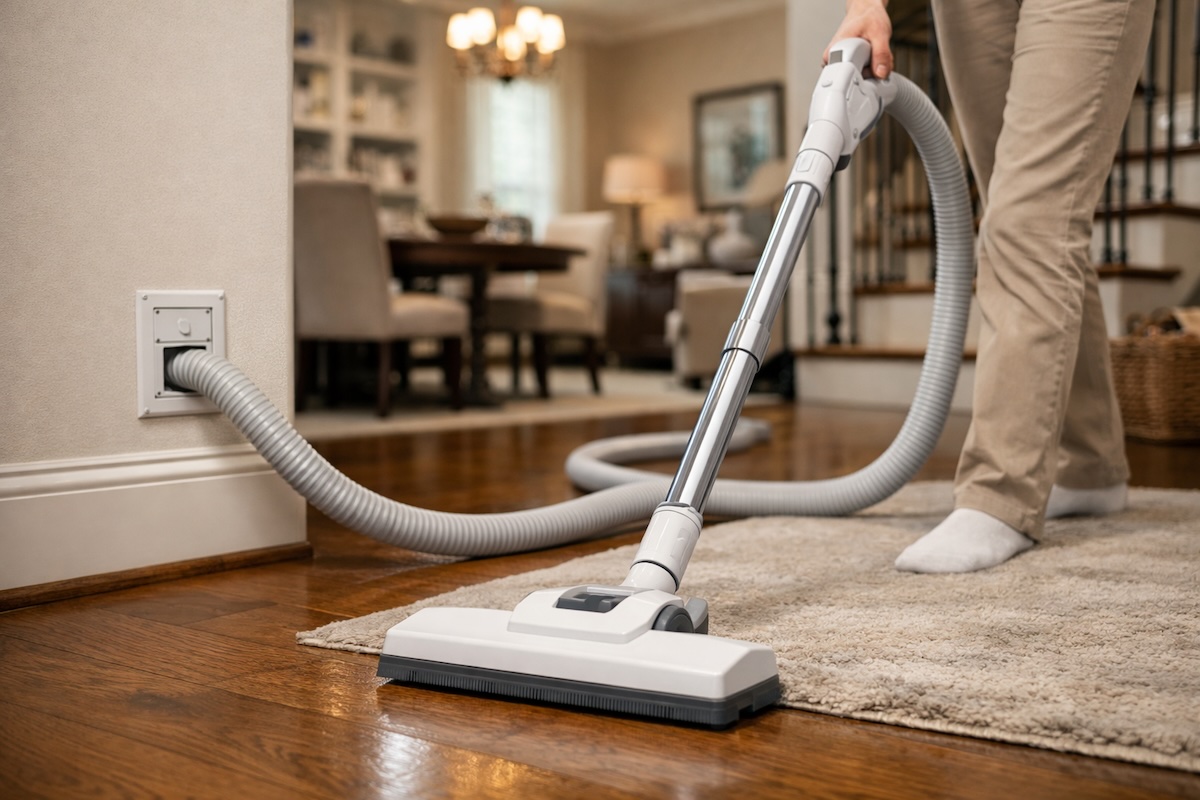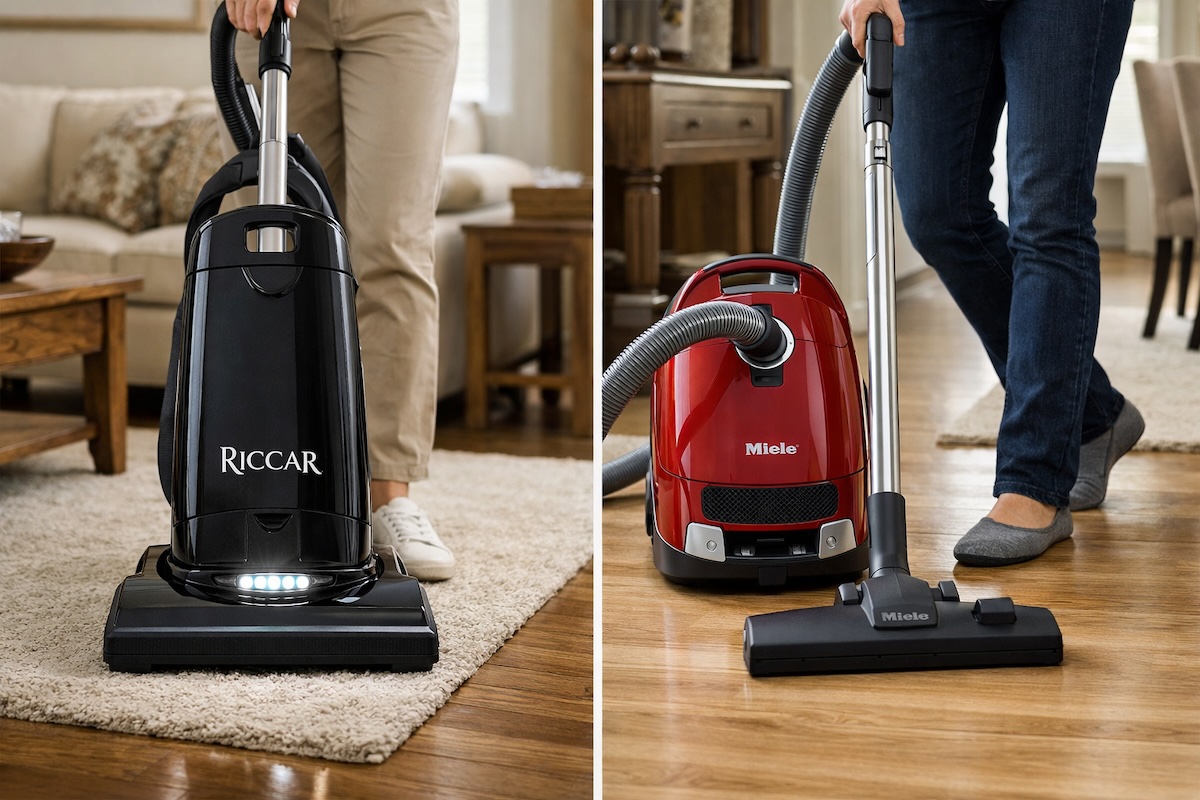
A central vacuum system (also called a built in vacuum, in wall vacuum, or whole house vacuum) is one of those home upgrades that sounds slightly fancy until you actually live with one. Then it just feels practical: plug in a lightweight hose, clean fast, and put the mess somewhere that is not swirling around your living room.
This guide is built to answer the real questions people have before they commit, like how many inlets you need, how to size the power unit, whether retrofits are realistic, what “hybrid” filtration means, and what maintenance looks like in the real world.
If you already know you want one and just need help selecting or servicing a system, jump over to our central vacuum systems sales and service page or browse the central vacuum systems we carry.
What a central vacuum system actually is
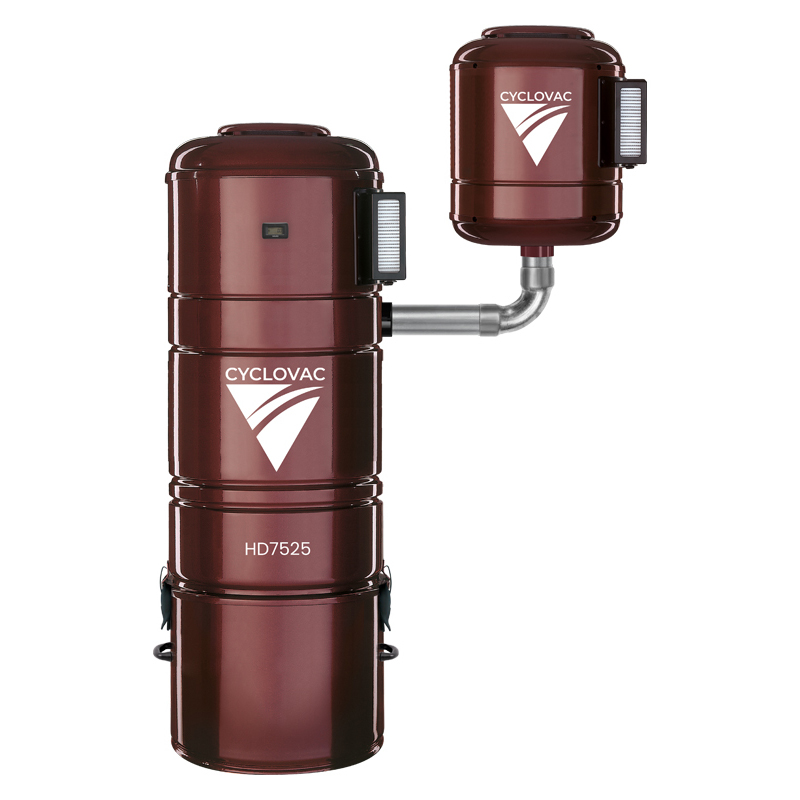
A central vacuum is a permanent vacuum system installed into the structure of your home. Instead of rolling a portable vacuum from room to room, you plug a hose into wall inlets installed around the house. The dirt and dust travel through hidden PVC tubing to a power unit that is typically mounted in a garage, basement, utility room, or storage area.
Think of it like central HVAC, but for vacuuming: the “motor and bin” live out of the way, and you interact with clean, simple connection points around the home.
Why people choose a whole house vacuum
Most homeowners consider a central vacuum for one or more of these reasons:
Quieter cleaning where it matters
Because the motor is remote, the sound in the room tends to be much lower than a typical upright running a few feet away. You still hear airflow at the floor tool, but it is usually a less intrusive kind of noise.
Strong performance with less hassle
Central vacuums are built for moving air through longer tubing runs, so they are designed around steady airflow and suction. That performance is especially noticeable on stairs, upholstery, and tight spots because you are not wrestling a heavy body unit.
Better dust handling and air comfort
Central systems excel at keeping dust contained. Many setups can also vent exhaust outside the living area, which can reduce the chance of fine particles being recirculated indoors. If you are curious about the broader concept of sealed airflow paths and dust containment, our overview on sealed system vacuum filtration is a useful background read.
Bigger capacity
The dirt container is typically larger than portable vacuums, so you are not emptying a small bin every few rooms.
Long term value
A well designed system is meant to be serviced and kept running for years, not tossed when a plastic latch breaks.
When a central vacuum might not be the best fit
Central vacs are great, but they are not magic. You might be happier with a premium portable vacuum if:
- You plan to move soon and do not want to invest in a built in system.
- Your home layout makes inlet placement difficult without significant construction.
- You strongly prefer grab and go cleaning without dealing with hose storage.
- You mainly need quick daily pickup in a small space where a compact portable vacuum already feels effortless.
If you are unsure, that is normal. A quick conversation about your layout and flooring mix often makes the answer obvious.
The main parts of a central vacuum system
A central vacuum system is simple once you break it into components.
Power unit (the “heart”)
This is the motor and dirt container. It creates suction, captures debris, and either filters or exhausts air depending on the design.
Tubing network (the hidden highway)
PVC tubing runs inside walls, attics, basements, and crawl spaces. It connects each inlet to the power unit.
Wall inlets (vacuum outlets)
These are the ports you plug the hose into. Some are low voltage for basic suction on and off, while others are designed for electric powerheads that need additional power delivery.
Hose and cleaning kit
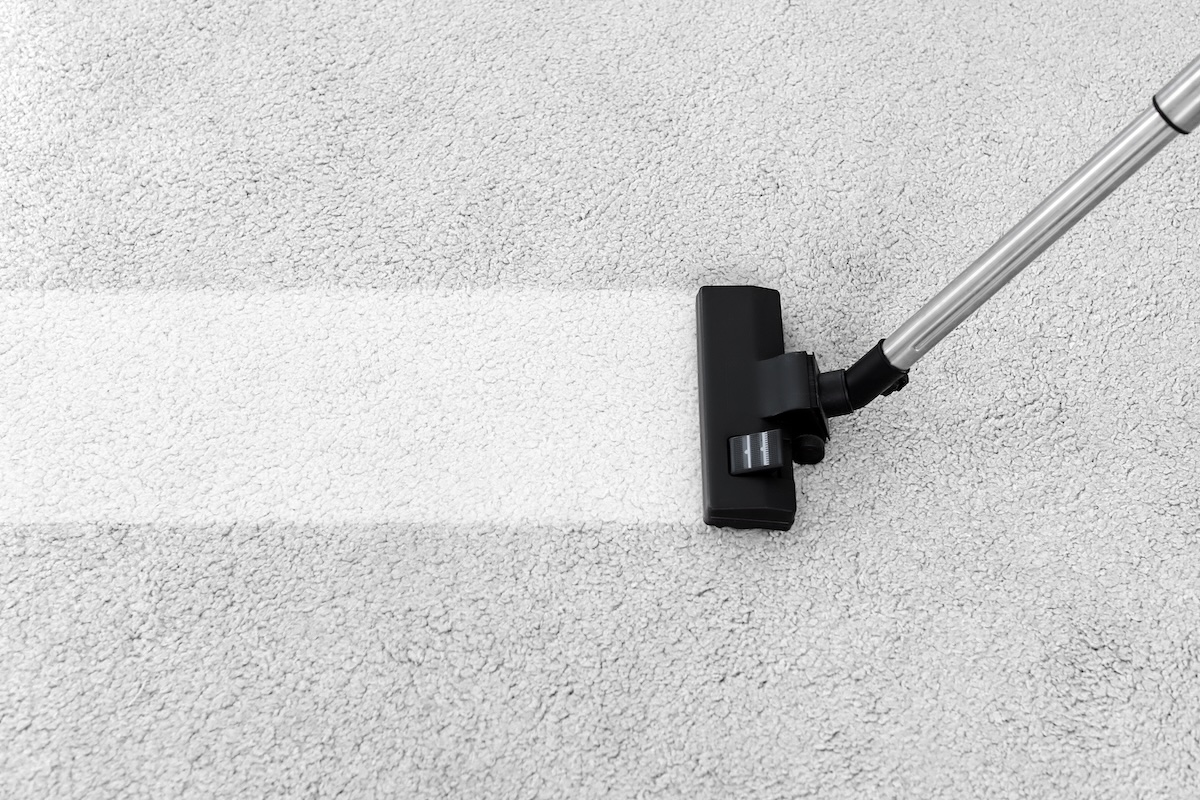
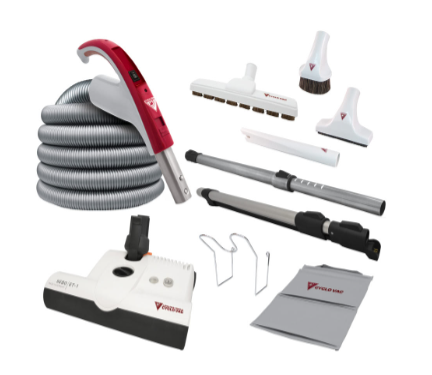
This includes the hose, wand, floor tools, and attachments. For homes with carpet, an electric powerhead is often the difference between “it works” and “it actually deep cleans.”
Optional exhaust venting
Some systems vent outside, depending on the installation and filtration style.
New construction vs retrofit installation
Central vacuum installation falls into two big categories.
New construction and major remodels
This is the easiest time to install tubing and place inlets exactly where you want them. If walls are open, the job becomes simpler and the finished result is often more flexible.
Retrofit installs in existing homes
Retrofits are common and very doable, but the approach depends on access. Homes with attics, basements, crawl spaces, and unfinished utility areas generally offer more routing options. A good retrofit plan focuses on smart inlet placement and practical pipe runs, not trying to hide tubing in places where it will require unnecessary drywall work.
Retrofit success is less about square footage and more about architecture. Two homes with the same size can have wildly different access difficulty.
How to size a central vacuum system without getting lost in specs
People often start with “How many square feet is my house?” and end with “Why does every unit claim it can handle my house?”
Square footage matters, but it is not the whole story. A good sizing conversation also considers:
Longest distance from farthest inlet to the power unit
Air has to travel through tubing. Longer runs and more bends increase resistance, which affects real world performance.
Number of inlets and how you clean
More inlets can reduce hose dragging and improve convenience. Fewer inlets can still work if placed strategically.
Flooring mix and debris type
Deep carpet, pet hair, fine dust, and heavy debris each push a system differently. Carpet cleaning is usually more about the powerhead and airflow than raw suction alone.
Your preferred hose length and storage
A longer hose reaches more area per inlet, but it also needs somewhere to live. Some homeowners prefer more inlets and a shorter hose because it feels easier to manage.
If you want to explore equipment options while you read, our central vacuum category includes current units, hoses, and kits.
Hose and powerhead options that matter more than people expect
A central vacuum is only as enjoyable as the hose and floor tool you use weekly.
Standard hoses vs electric hoses
If your home has significant carpet, an electric powerhead is usually the right call. That means using an electric hose designed to power the head. One example is the CycloVac Electric 110/24V Hybrid Hose, which is built for systems that use an electric inlet setup.
Air driven turbine heads
For some homes, especially mostly hard floor with light rugs, an air driven turbine head can be a simpler approach.
Attachment kits for whole home coverage
Most people start thinking about floors, then realize the real luxury is quick, effective cleaning on stairs, baseboards, upholstery, ceiling corners, and car interiors. A complete kit helps the system feel like a solution, not just a fancy floor vacuum. For example, the CycloVac SEBO Attach Kit 35 includes a tool set that covers multiple surfaces and common cleaning tasks.
Filtration styles and what “hybrid” really means
Central vacuum filtration is one of the biggest buying decision points because it affects maintenance, air comfort, and how you prefer to dispose of dirt.
| Filtration style | What it means in daily use | Why people like it | Best fit |
|---|---|---|---|
| Bagged | Dirt goes into a disposable bag inside the unit | Clean disposal, minimal dust exposure during changes | Allergy sensitive homes, low maintenance preference |
| Cyclonic bagless | Dirt drops into a canister; filters handle finer dust | No bags to buy, strong pickup when maintained | Homes that do not mind periodic filter care |
| Hybrid | Can run with a bag or without one | Flexibility, you can choose your preferred routine | Homes that want options or are not sure yet |
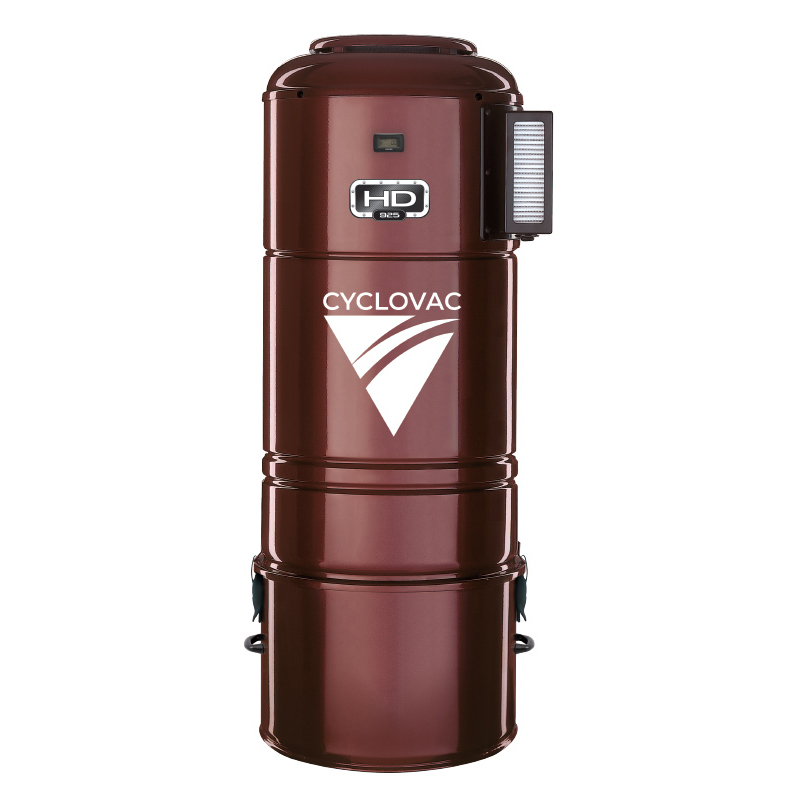
Many modern units are built around the hybrid idea. For example, the CycloVac H625 Hybrid central vacuum unit and the CycloVac HD925 Hybrid central vacuum unit are designed around that flexible approach.
Where to place the power unit for best noise and convenience
The power unit placement affects three things: how loud it feels during use, how easy it is to service, and how straightforward the pipe routing will be.
In many homes, a garage or utility area is ideal because it keeps sound away from living spaces and gives you room for the unit and dust container. Basement installs can also work well when the layout makes routing simple.
Two practical placement tips:
Put the unit somewhere you can access without a ladder or gymnastics routine. Maintenance is easier when it is not hidden behind everything you own.
Plan for adequate electrical and ventilation based on the unit type and install requirements.

Maintenance: what you actually need to do and how often
Central vac maintenance is generally simple, but it is not set it and forget it. A few small habits keep performance consistent.
Empty or change the dirt container on a schedule
Bagged systems need bag changes. Bagless or hybrid systems need the canister emptied and any filters checked. How often depends on home size, pets, and how frequently you clean.
Check filters before performance drops
Loss of airflow often comes from a loaded filter rather than a failing motor. Staying ahead of filter maintenance is the easiest way to keep strong suction.
Do not neglect the powerhead
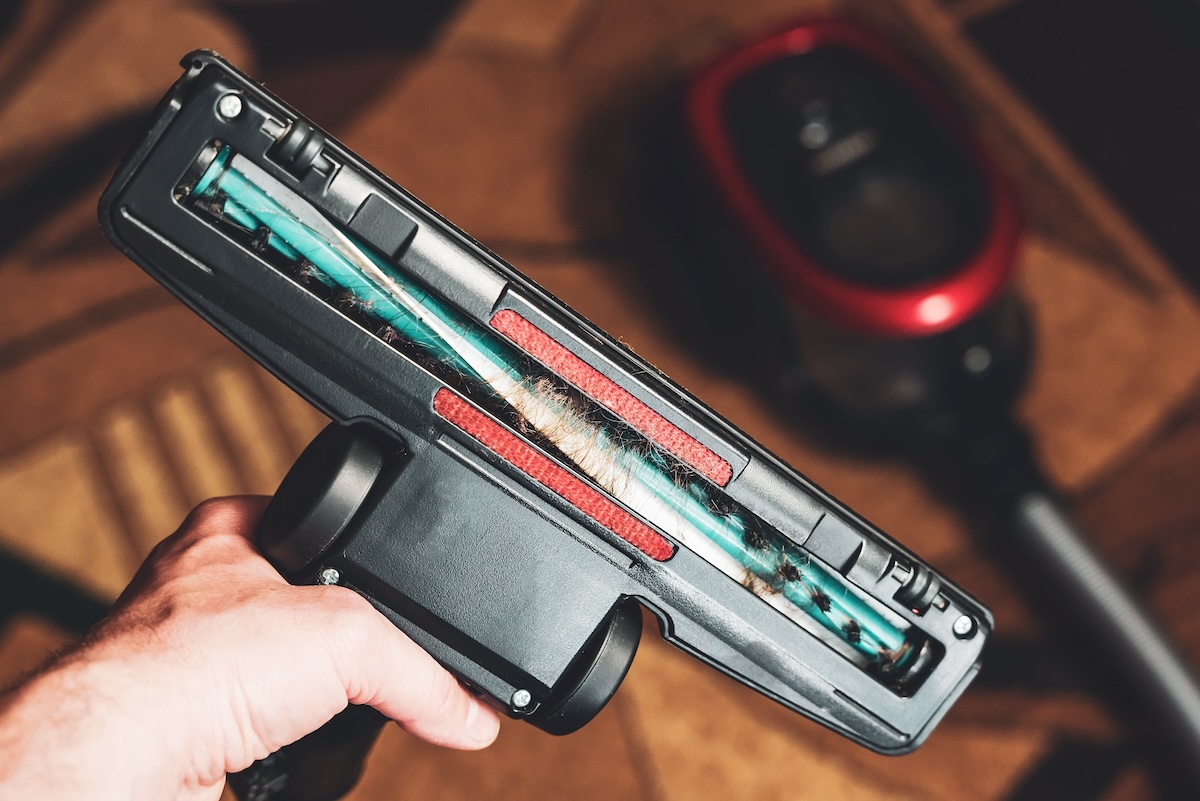
If you use an electric powerhead, the brushroll and belt do real work. Hair, string, and fine debris can reduce agitation on carpet long before suction seems bad. Our general vacuum maintenance and part replacement guide is a helpful reference for the kinds of wear items that apply to powerheads and floor tools.
Keep an eye on the hose and connections
If suction feels inconsistent, inspect the hose for damage and make sure connections are sealing properly at the inlet.
Troubleshooting common central vacuum problems
Most central vacuum issues come down to airflow, power delivery, or a simple mechanical blockage.
Low suction everywhere
When suction is weak at every inlet, the most common causes are a full bag or canister, a clogged filter, or a blockage in the main line. Start with the basics: verify the container is not overloaded and filters are not restricted.
Low suction at one inlet
If one inlet is weak but others are strong, it is often a localized blockage in that branch line or an inlet door that is not sealing.
The vacuum turns on but the powerhead will not spin
This usually points to the hose, the inlet style, or the electrical connection that powers the head. Electric powerheads need the right hose and inlet setup to deliver power reliably.
The system will not turn on at the inlet
This can be a low voltage wiring issue, a switch issue at the hose handle, or a problem at the inlet contacts. If you have multiple inlets, test another inlet to isolate whether the issue is local or system wide.
Odors during use
Odors often come from a dirty canister, an overdue filter, or debris stuck in the hose or tubing. Fine dust and pet hair can also create smells over time if maintenance is skipped.
If your system is acting up and you would rather have a pro handle it, we do central vacuum repairs and service on more than just new installs. The quickest starting point is our central vacuum service page.
What to figure out before you get a quote or start an install
This is the short list that prevents most “we should have planned that” moments:
- Your flooring mix, especially how much carpet you want to deep clean
- Whether you want an electric powerhead and electric hose setup
- How you want to store the hose, including whether you prefer longer hose reach or more inlets
- Where the power unit can realistically be mounted with good access
- Any remodeling plans that could make routing easier now
- Areas that always annoy you during cleaning, like stairs, long hallways, and high traffic entry zones
- Your priorities, like quiet operation, lowest maintenance, or maximum performance
Choosing a system and getting it serviced at Edison Vacuums
We work with homeowners who are installing a central vacuum for the first time, upgrading an older system, or trying to get an existing unit back to full performance.
If you are shopping, start by browsing our central vacuum systems and accessories to get a feel for the available options. If you want help selecting the right fit for your layout, or you need repairs on an existing system, our central vacuum sales and service team can walk through the practical details with you.
For a shorter overview of why many Nashville area homeowners choose central vacs, you can also read Central Vacuum Systems at Edison Vacuums.
Central vacuum FAQs
How many inlets do I need?
It depends on layout and hose length more than raw square footage. A well placed inlet can cover multiple rooms, especially if hallways are used strategically. In multi story homes, inlet placement often matters more than adding extra inlets everywhere.
Do central vacuums work well on hard floors?
Yes, as long as you use the right floor tool. Hard floors benefit from tools designed to seal well without scattering debris. Many homeowners keep one floor tool for hard surfaces and a powerhead or turbine tool for rugs and carpeted rooms.
Are central vacuums good for allergies?
They can be, especially when the system is designed to contain fine dust well and the maintenance routine is kept up. Some installations also route exhaust outside the living space, which can help reduce recirculation of fine particles indoors.
Can I add a central vacuum to an older home?
Often, yes. Retrofits can be very successful, especially in homes with accessible attic, basement, or crawl space routing. The best approach is usually strategic inlet placement and smart pipe runs, not trying to force tubing through impossible walls.
What is the difference between suction and airflow, and which matters more?
Both matter, and they do different jobs. Airflow helps carry debris through the system and affects how well tools work in real life. Suction helps lift and break loose material, especially from carpet. The right balance depends on your home and the tools you plan to use.
Ready to plan yours?
A central vacuum system is one of the rare upgrades that can make a weekly chore feel easier, quieter, and cleaner without requiring a complicated routine.
If you are ready to explore options, start with our central vacuum products. If you want guidance on sizing, installation planning, or you need repairs on an existing system, reach out through our contact page and we will help you map out a setup that fits your home.