Walk into the middle of a big-box store and at some point, the vacuum aisle is likely to hit you like a wall of colorful plastic — glossy trim, bold claims, row after row of machines promising to transform your home. Now, consider that a good portion of them will be headed to the landfill before their third birthday.
The one sitting in the corner of your grandmother’s utility closet, still pulling strong after 15 or 20 years, is a different animal altogether. Learning to tell the difference before you spend your money is what this guide is about. Whether you’re replacing a worn-out upright, getting a vacuum cleaner for a new home, or are finally fed up with that budget machine that worked fine the first time you used it and now spits dust back at you, the principles here apply. Today, we’ll walk through what separates a genuinely capable floor cleaner from a pretty box, which of the best vacuum cleaner brands have built the best reputations over decades, and how to match a machine to your actual living situation rather than a hypothetical one.
What’s in This Guide
- Why Your Vacuum Choice Is a Bigger Deal Than It Seems
- Types of Vacuum Cleaners — and When Each Makes Sense
- What to Actually Look For (Beyond Wattage and Marketing)
- Brands Worth Knowing: SEBO, Riccar, Miele, and More
- Matching Your Machine to Your Floors and Home
- Vacuum Cleaners and Allergies: Filtration That Doesn’t Cheat
- Bagged vs. Bagless — The Debate That Refuses to Die
- Robot Vacuums: Genuinely Useful or Expensive Gimmick?
- Keeping Your Vacuum Running for the Long Haul
- Practical Buying Tips Before You Pull the Trigger
- Frequently Asked Questions
Why Your Vacuum Choice Is a Bigger Deal Than It Seems
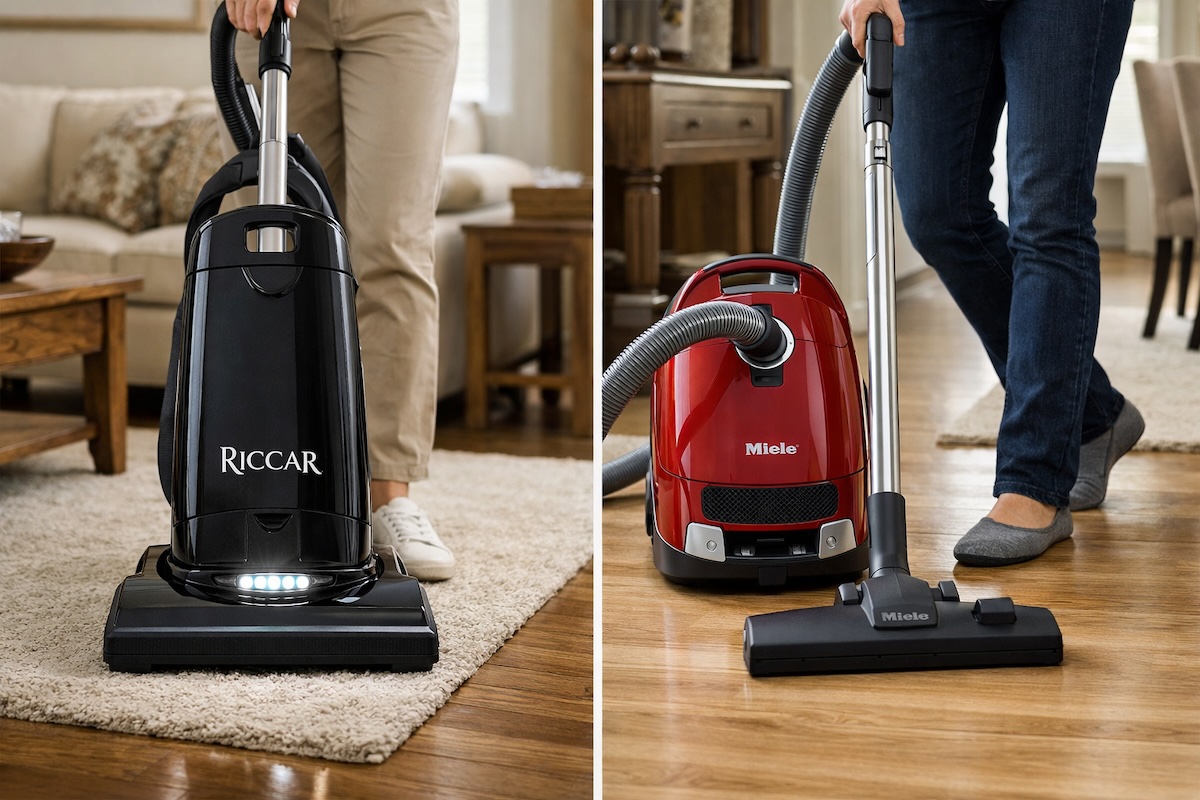
A vacuum cleaner is one of those household purchases that can, in many ways, drastically shape your daily quality of life. That may sound like an exaggeration, but consider that you probably use it every week — in some households, every day. A machine that clogs, loses suction, sheds its attachments, or simply feels like a chore to drag out will sit unused until company is coming. Meanwhile, dust mites settle in, pet dander builds up, and the floors you paid good money for take on a dull, neglected look.
There’s also an environmental and financial case for buying well once. A $150 machine replaced every three years costs more over a decade than a $600 machine that runs for fifteen, and the first scenario generates four times the waste. Floor care equipment is one of the most repair-friendly product categories still left in consumer goods — a good independent vacuum cleaner shop can keep a quality machine running almost indefinitely with straightforward belt changes, brush roll replacements, and the occasional motor service.
None of this means you need to spend a fortune. But it does mean the question “what’s the cheapest vacuum that works?” is worth replacing with “what’s the best value vacuum for my specific situation?” Those aren’t the same question, and the answers aren’t the same either.
Types of Vacuum Cleaners — and When Each Makes Sense
Upright Vacuums
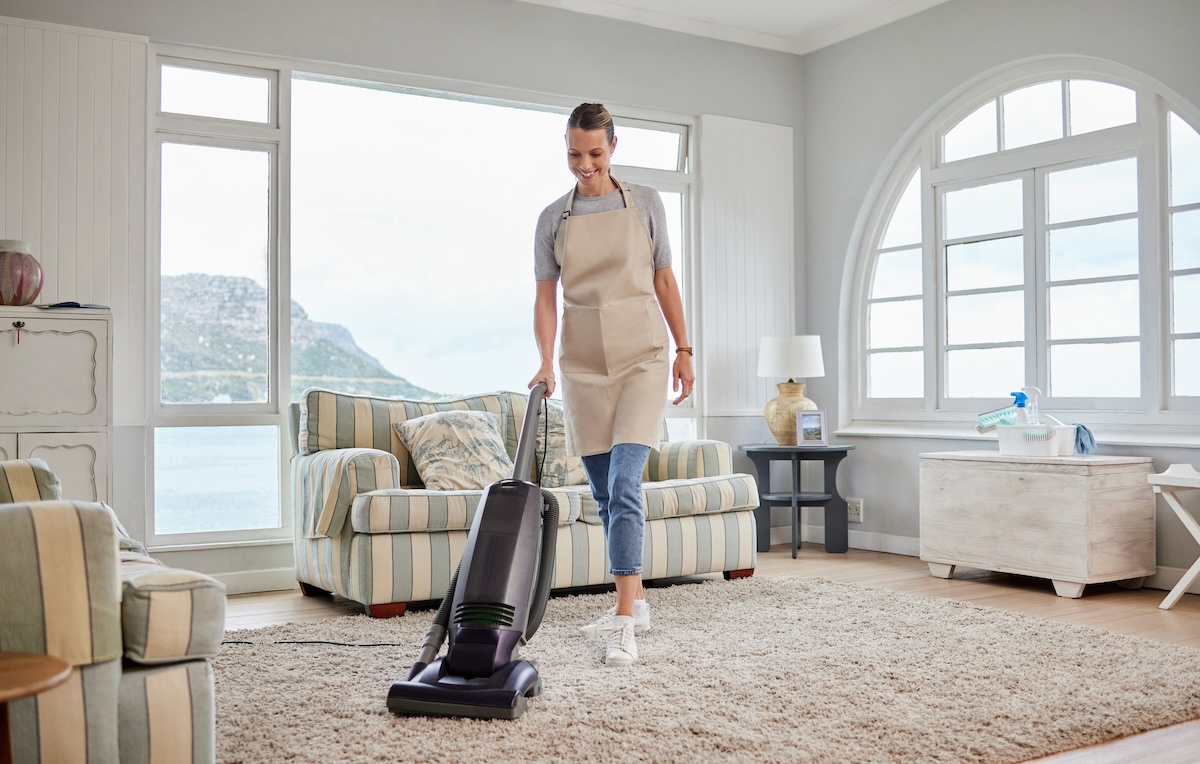
The upright is what most people picture when they hear the word “vacuum” — a single-unit machine with the motor, dustbin, and cleaning head in one upright body. They’ve been the American standard for generations, and for good reason: on carpet, particularly deep-pile carpet, a well-built upright with a driven brush roll is hard to beat. The brush agitation pulls embedded grit and fiber out in a way that suction alone simply can’t match.
Quality upright machines from brands like SEBO and Riccar are genuinely engineered pieces of equipment — not toys. SEBO’s upright lineup, including their Felix and automatic X series, is built to commercial tolerances and widely used in hotels and care homes across Europe. Riccar, made in the same St. James, Missouri factory as Simplicity, offers uprights that independent dealers swear by for their build quality and filtration.
The tradeoff: uprights can feel bulky on hard floors, and cleaning stairs or furniture requires either a separate tool or a machine with a hose and attachments you’ll actually use.
Canister Vacuums
A canister separates the motor and dustbin into a rolling unit that follows you on a hose, with a lightweight wand and floor tool at the business end. This design is standard in most of Europe, and for mixed-floor homes — some hardwood, some tile, some area rugs — it offers important advantages. You swap floor tools for different surfaces, the machine is easy to maneuver around furniture, and stairs become much less of a production.
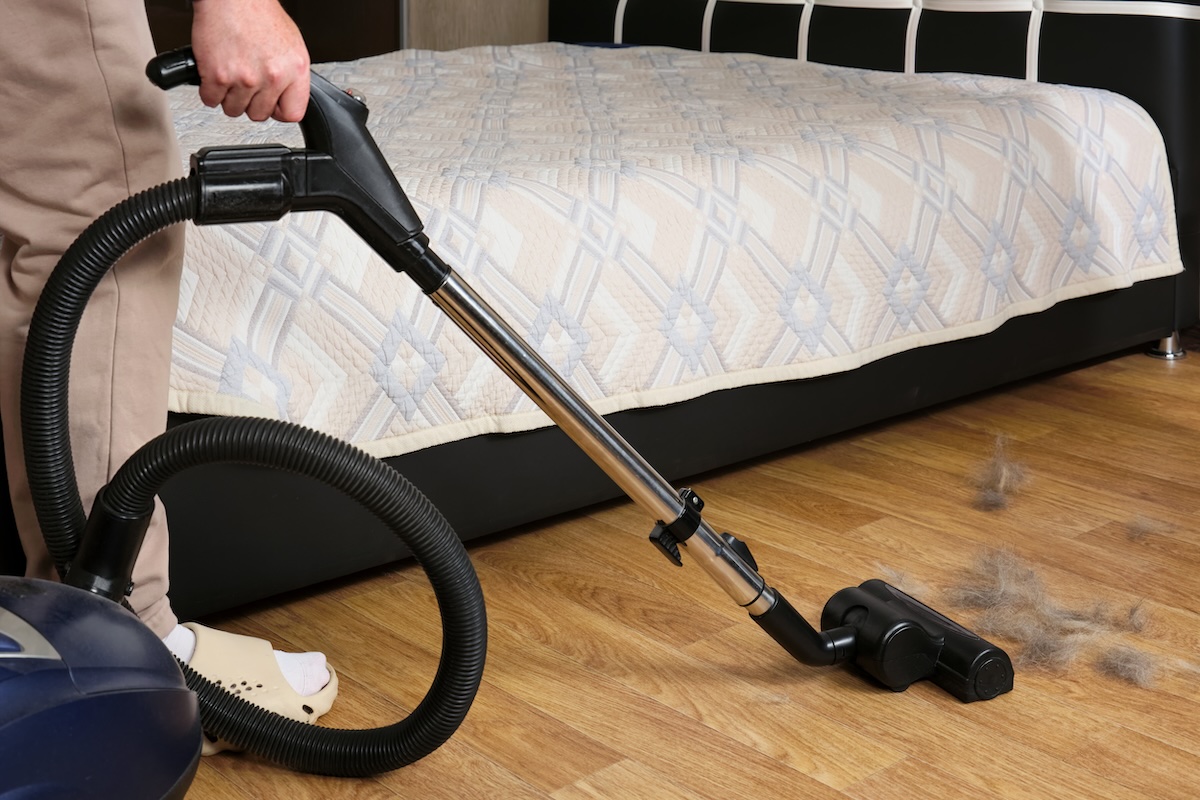
Miele has made canister vacuums the centerpiece of their lineup for decades, and their machines are about as close to a gold standard as the category has. The wand-and-hose design also makes overhead cleaning, upholstery, and detail work far easier than wrestling an upright into position.
Stick and Cordless Vacuums
Cordless stick vacuums have improved enormously over the past decade. Dyson, Shark, and Bissell dominate the consumer space, while more specialized brands occupy the higher end. For quick clean-ups, apartments, and homes without heavy carpet, a good cordless machine can handle daily maintenance impressively well.
The honest caveat: battery life still limits run time, suction fades as the battery depletes, and even premium cordless machines typically aren’t the right primary vacuum for a large home with deep carpet. They shine as a second machine or a primary tool in the right environment, not as a universal replacement for a full-size floor cleaner.
Robot Vacuums
Worth their own section — see below. (Short version: they’re genuinely useful for daily maintenance but still don’t replace a thorough cleaning with a full-size machine.)
Handheld and Wet/Dry Shop Vacuums
Purpose-built tools for specific jobs. A shop vac belongs in the garage or workshop. A handheld is useful for car interiors, upholstery, and quick spot jobs. Neither belongs in the conversation when someone asks “which vacuum should I buy for my home?”
Specs and Features to Look For
The vacuum industry is, politely speaking, not always honest with consumers. Suction measurements, wattage figures, and “maximum” ratings are almost universally measured under conditions that have nothing to do with real-world performance. A machine rated at 2,000 watts might clean your carpet worse than one rated at 1,200. Here’s what actually predicts how well a floor machine will work and last.
Airflow, Not Wattage
Motor wattage measures how much electricity a vacuum uses, not necessarily how well it cleans. Airflow — typically measured in CFM (cubic feet per minute) — is a better proxy for cleaning ability on hard floors. Sealed suction (measured in water lift) tells you how well the machine handles resistance, which matters for thick carpet and clogged filters. Unfortunately these numbers are rarely printed on the box. This is one reason buying from a specialty dealer who can demonstrate machines side by side is worth something.
Brush Roll Design and Adjustment
On carpet, the brush roll is doing most of the real work. A driven, agitating brush roll with well-engineered bristle height adjustment makes a dramatic difference on anything thicker than a low-pile office carpet. Machines that let you adjust brush height — or that do it automatically — are more versatile and less likely to damage delicate rugs. SEBO’s automatic brush roll height adjustment is one of the features their longtime owners cite most.
Build Quality and Repairability
Pick up a quality machine from SEBO, Miele, or Riccar, then pick up a similarly priced box-store brand. The weight difference alone tells a story. Metal components, robust plastic housings, and belts and brush rolls designed to be user-serviceable add up to machines that can be maintained rather than discarded. Ask whether parts are available. Ask whether a local repair shop services that brand. These questions sort the long-term investments from the disposables quickly.
Filtration System
More on this in the allergy section, but filtration is a structural question too. A machine with a well-sealed filtration path — where air travels predictably through filters before being exhausted — will stay cleaner inside and perform more consistently over time. Leaky machines deposit fine particulates inside the motor housing, which shortens motor life. This is one of the least-discussed quality indicators in vacuum construction, and it separates serious manufacturers from the rest.
Noise Level
A vacuum you can run without waking a sleeping child or interrupting a conversation is one you’ll actually use regularly. Better-built machines tend to be quieter — not always, but the correlation is real. Miele canisters in particular have a reputation for being impressively hushed at normal operating settings.
💡 Tip
As far as the question “which vacuum is the most powerful,” the answer is usually: it depends on what you mean by powerful, and power isn’t the metric you should be optimizing for anyway. The machine that cleans your specific floors most thoroughly, filters effectively, and runs reliably for a decade is the powerful one — whether its motor rating impresses anyone or not.
Premium Vacuum Brands Worth Knowing About: SEBO, Riccar, Miele, and More
Brand reputation in floor care equipment is earned slowly and lost fast. The brands that independent vacuum dealers have stocked for decades — and that repair shops see come in for service rather than replacement — are a meaningful signal. Here’s a quick look at some of the high end vacuum cleaner brands most worth knowing.
SEBO
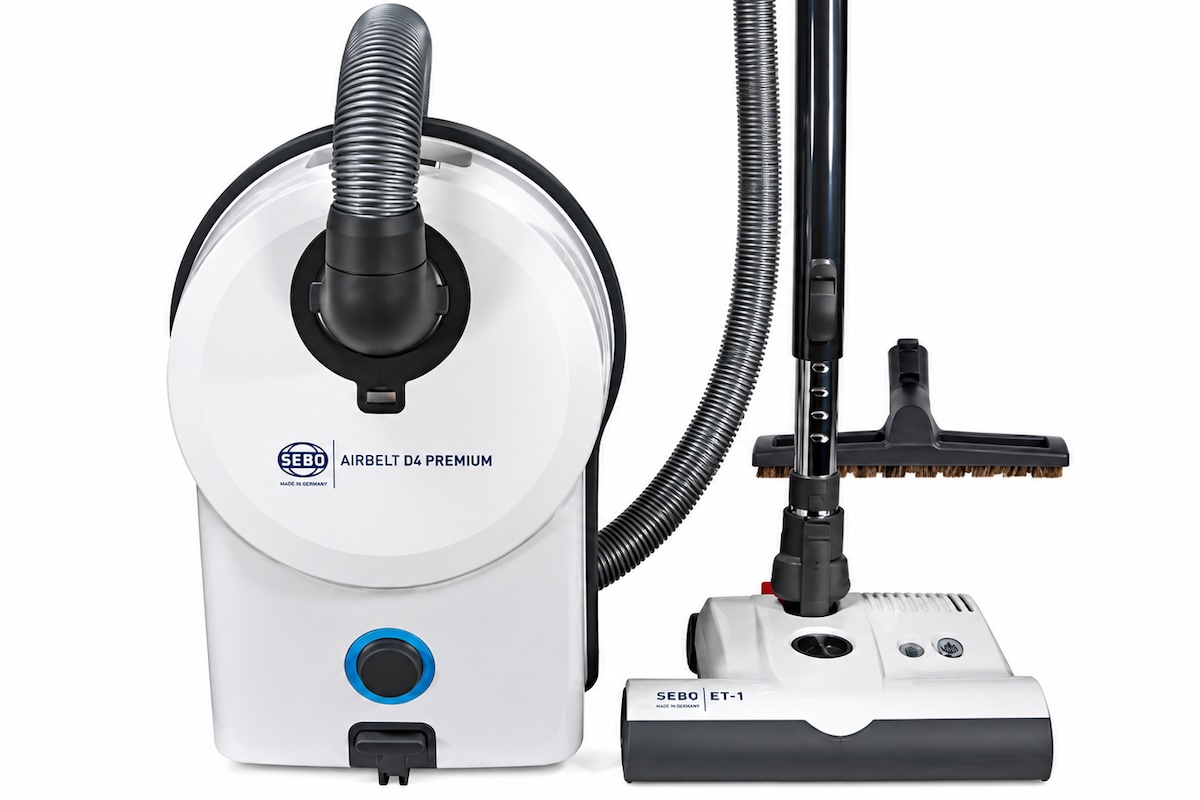
SEBO is a German manufacturer that occupies a quieter corner of the premium vacuum market than Miele but is just as respected among people who know the category. Founded in 1978, the company builds both upright and canister machines for residential and commercial use, and their engineering philosophy is thoroughly European: overbuilt, repairable, and designed for sustained performance rather than shelf appeal.

Their upright machines like the Felix and the Automatic X series, and the airbelt K series canister, are used widely in professional settings across Europe, which is a useful vote of confidence in their abilities A machine trusted to clean hotel rooms eight hours a day will handle a household without breaking a sweat. SEBO uprights are known for their adjustable brush rolls, sealed filtration, and motors that simply keep going. Parts are available, repair shops that service SEBO are not hard to find, and customers who discover the brand through a specialty dealer tend to become loyal converts.
SEBO is not a mass-market brand in the United States, which means you’re unlikely to find their machines at a department store, but many North American vacuum cleaner enthusiasts are still well aware of this brand. Independent vacuum retailers and online specialty dealers are the right places to look. The price point is firmly in the premium range, but the cost-per-year calculation over a typical ownership period can make the purchase more than worth it.
Riccar
Riccar is manufactured by Tacony Corporation in St. James, Missouri, making it one of the very few vacuum brands still assembled in the United States. Simplicity vacuums come from the same factory, sharing design DNA with the Riccar lineup. Both brands sell exclusively through independent dealers, which is a deliberate choice — Tacony has built a business model around specialty retail and believes (with some justification) that customers served by knowledgeable dealers end up with better-matched machines and more satisfied with their purchase.
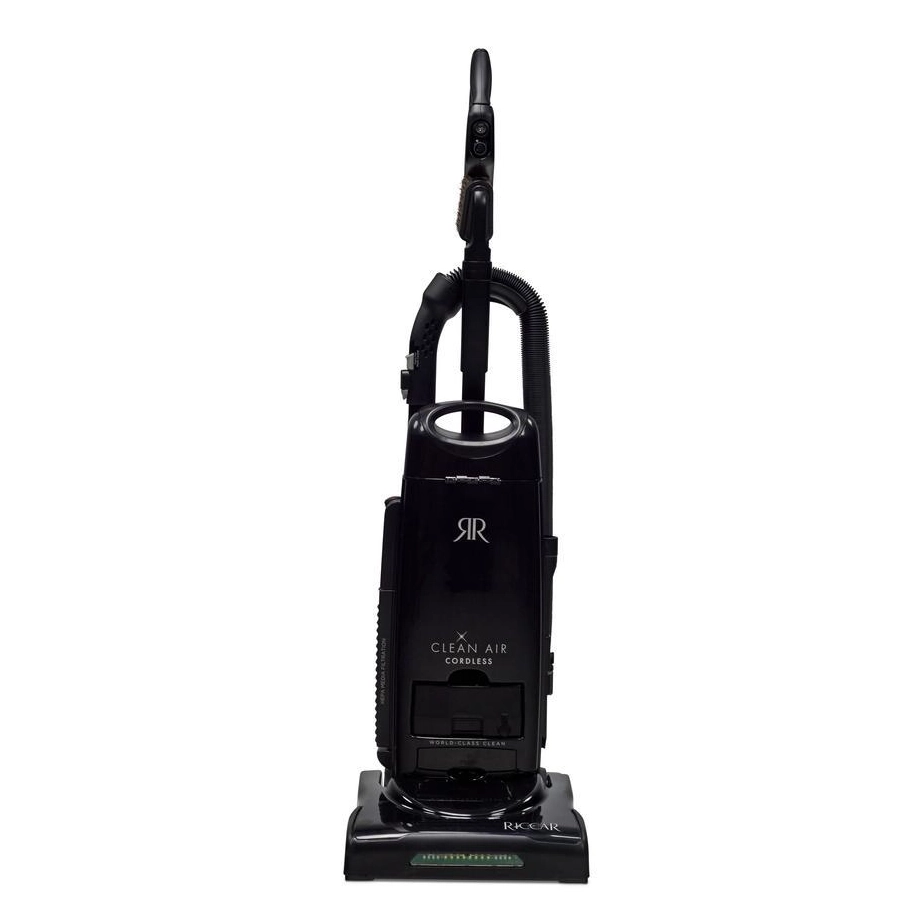
Riccar’s upright models cover a range of price points, from their entry-level machines up to their premium Brilliance series with HEPA filtration and full-bag capacity designed for allergy households. Their canister lineup handles hard floors and multi-surface homes well. The brand’s American manufacturing and dealer-only distribution give it a loyal following among independent shop owners who take pride in recommending something they believe in.
Miele
Miele is probably the most widely known name among quality-focused vacuum buyers, and the reputation is deserved. The German company — family-owned for over a century — builds canister vacuums that are consistently regarded as among the best-engineered domestic machines available. Their filtration systems are class-leading, their motors are rated for extraordinary longevity, and the overall build quality feels like a product from a different era of manufacturing.

Miele’s canister range spans from their Classic C1 series up to their Complete C3 machines, with a wide variety of floor tool configurations for different floor types and needs. Their AirClean filtration system with sealed housing is particularly well-regarded for allergy and asthma households. Miele also produces upright machines and has entered the cordless space, though canisters remain the heart of what they do.
Worth noting: Miele machines require Miele bags, and those bags are more expensive than the average big-box store brand. This is worth factoring into total cost of ownership, though Miele’s argument — and it’s not wrong — is that their bags are part of the filtration system and not interchangeable with generic alternatives without compromising performance.
Dyson
No survey of the vacuum market can ignore Dyson these days. The British company essentially invented the modern bagless vacuum, and their cyclone technology was genuinely innovative when James Dyson introduced it. Their cordless machines — particularly the V-series — are the benchmark in that category. For hard floors and quick daily maintenance, a Dyson V15 or similar is a legitimately capable tool.

Now that said, assessment on full-size Dyson uprights and canisters is more mixed. They’re well-engineered and heavily marketed, but on deep carpet they don’t consistently outperform a well-adjusted upright from SEBO or Riccar. Their repair and parts ecosystem has also faced criticism — some models are more “replace rather than repair” in practice. That said, if you know what you’re buying Dyson for (primarily hard floors, cordless convenience, or allergy-level filtration in their HEPA models), they’re a solid choice.
Shark & Bissell
These are the brands most Americans end up with because they’re everywhere — Target, Walmart, and so on. They make capable machines in the budget to mid-range tier, and for households without extreme cleaning demands, a well-chosen Shark or Bissell can serve adequately. The gap between these brands and the premium names above shows up most clearly over time: parts availability thins out, brush rolls wear down faster, and motors aren’t built to the same specs or service life as higher-end brands.
That said, there’s no shame in buying a Shark or Bissell if it’s the right choice for your budget and situation. This information is just to help you make a more informed assessment rather than buying premium-priced marketing disguised as a premium product, or buying a midrange machine when a better option would genuinely serve you better.
Hoover and Oreck (Legacy Names)
Both Hoover and Oreck carry significant name recognition from earlier decades when they represented genuinely quality American manufacturing. New machines sold under these names are worth evaluating on their own merits rather than historical reputation — which, fairly assessed, can put them in similar territory to other midrange brands.
🏪 Why Independent Vacuum Dealers Are Important
You can buy almost anything online. But an independent vacuum retailer lets you hear machines running, ask questions of someone who has actually repaired them, and compare performance side by side. Most importantly, they’re your local resource when a belt snaps or a brush roll needs replacing two years from now. The premium brands in this guide — SEBO, Riccar, Miele, and so on — are specifically designed to be sold and supported through that kind of channel.
Matching Your Machine to Your Floors and Home
One of the most useful things you can do before buying a vacuum cleaner is to walk through your home and “inventory” your floors. It may sounds obvious, but most people buy a machine for their mental image of their home rather than the reality of it.
Primarily Carpeted Homes
If most of your living space is carpet — especially medium to thick pile — an upright vacuum with a driven brush roll is almost always the right choice. The brush agitation pulls embedded dirt, pet hair, and debris out of carpet fibers in a way that suction-only tools can’t replicate. A quality SEBO or Riccar upright here will outperform most alternatives on the market.
Pay attention to whether your carpets include any delicate area rugs or flat-weave rugs that don’t want brush agitation. Machines with adjustable brush height or a brush roll on/off switch handle this gracefully. Without that capability, you’re either damaging the rug or avoiding vacuuming it properly.
Primarily Hard Floors
Hardwood, tile, laminate, and stone floors call for a different approach. Brush agitation that’s great for carpet will scatter debris on hard surfaces and can scratch finishes. A canister vacuum with a dedicated hard floor tool — typically a soft-bristle head with no rotating brush — is the traditional solution and still often the best one.
Miele’s canister lineup shines here. Their soft parquet floor tools glide over hardwood without scratching, seal against the floor for strong suction, and maneuver around furniture legs with surprising ease. For hard-floor households, this style of cleaning may feel like a genuine revelation compared to a conventional upright.
Mixed Floors
Most American homes have both. The question is what proportion — and whether you’re willing to switch tools or adjust settings as you move between surfaces. A quality canister with interchangeable floor heads handles this transition well. Some upright machines with good adjustment also manage the transition comfortably, particularly SEBO’s X series uprights.
Stairs
Stairs are where many full-size uprights fall short. Canister vacuums with a handheld wand attachment handle stairs far more naturally. Some upright machines include a hose and above-floor tools that work reasonably well, but if stairs are a significant part of your home, this deserves weight in your decision.
Pets
Pet hair in carpet, on upholstery, and embedded in area rugs is one of the most demanding challenges a home vacuum faces. A few things help: powerful direct suction, a brush roll that handles hair without wrapping into an immediate tangle, and a filtration system that captures the dander that causes allergic reactions rather than redistributing it into the air. Machines marketed as “pet” models often just add a turbo tool and change the color scheme. The underlying mechanical performance matters more than the label.
Brands that field serious pet-hair questions from actual owners without wavering include SEBO, Miele, and Riccar. Their brush roll designs and filtration systems handle pet-hair households as a matter of course rather than as a special-edition feature.
Large Homes
In a large home, the weight and maneuverability of your vacuum start to matter more than they might in a two-bedroom apartment. A canister that rolls effortlessly through rooms and a lightweight wand reduce fatigue significantly. Cord length becomes an important thing to consider — or a powerful cordless machine with genuinely long battery life. And storage capacity means fewer trips to empty or change bags. These practical factors are easy to overlook when comparing spec sheets but impossible to ignore once you’re using the machine weekly.
Vacuum Cleaners and Allergies: Filtration That Doesn’t Cheat
For anyone dealing with dust mite allergy, pet dander sensitivity, or asthma, the vacuum cleaner isn’t just a cleaning tool — it’s part of the indoor air quality system. A floor machine that picks up debris at the floor level but exhausts fine particulates back into the breathing zone is actively harmful to sensitive households.
What HEPA Actually Means
True HEPA filtration captures 99.97% of particles at 0.3 microns — the size range that includes most allergens and fine dust. However, a HEPA filter in a machine with a leaky body is largely meaningless. Air will take the path of least resistance, and if there are gaps in the housing or seams in the filtration path, unfiltered air will bypass the filter entirely.
This is where sealed filtration systems — a design principle Miele in particular has made central to their machines — make a big difference. In a fully sealed system, every cubic foot of air that enters the machine exits through the filtration system, full stop. There are no side doors.
Bag vs. HEPA Filter for Allergy Control
Counterintuitive as it may seem, bagged machines — when the bags are high quality and well-sealed — often perform better for allergy control than bagless machines during emptying. Emptying a bagless dustbin in any realistic home setting releases a cloud of fine particulates directly into the air. Removing and disposing of a sealed, full bag involves far less exposure. Miele’s AirClean bags are effectively a secondary filtration layer before air even reaches the main filter.
Filter Maintenance
Even the best filter becomes a liability when neglected. A clogged filter reduces airflow, strains the motor, and begins bypassing filtration as resistance builds. Following manufacturer guidance on filter replacement — and making sure your machine is truly getting that scheduled maintenance — is a basic requirement for allergy control. If the answer is “I’ve had this machine 3 years and never changed the filter,” the filtration system is essentially decorative at this point.
Bagged vs. Bagless
Bagless vacuums won the marketing war decisively. “No bags to buy” sounds like a pure advantage, and it’s true that you’ll never run out of bags mid-clean or forget to pick them up at the store. But the true picture is more complicated than that.
The case for bagged machines: Bags contain debris hygienically and make disposal clean. They serve as a layer of filtration. Suction performance is more consistent throughout the bag’s life in a well-designed machine, compared to bagless machines where an overfull container affects performance noticeably. And as mentioned, for allergy households the emptying process with bagless machines is a genuine concern.
The case for bagless machines: No ongoing cost for consumables (this is true, though even the most expensive replacement bags are, typically, relatively modest in cost). You can visually confirm the machine is picking up debris. Maintenance is arguably more transparent — you can see when the filter and container need attention. And for households without significant allergy concerns, the practical performance difference is less dramatic.
The premium end of the market trends bagged. Miele is firmly in the bagged camp. SEBO builds both. Riccar offers both. Dyson is famously bagless. The best answer for any individual household depends on floor types, health considerations, and whether you are okay with staying on top of filter maintenance in a bagless machine.
📊 Quick Comparison: Bagged vs. Bagless
Bagged: Better for allergy households. More hygienic disposal. Consistent suction throughout bag life. Ongoing bag cost (~$5–20 per bag depending on brand).
Bagless: No consumable cost. Easy to see fill level. Emptying releases some fine dust. Requires regular filter cleaning to maintain performance.
Neither is universally superior. The right choice depends on your household’s specific situation.
Robot Vacuums: Genuinely Useful or Expensive Gimmick?
Robot vacuums have crossed from novelty into genuinely useful territory for a lot of households — with accurate expectations. Here’s what they do well and where they fall short.
What robot vacuums do well: Daily or near-daily maintenance passes that keep surface debris from accumulating. Reaching under furniture that your full-size machine never gets to. Running on a schedule while you’re at work so floors stay consistently cleaner between thorough cleanings. For pet owners especially, staying ahead of daily shedding with a robotic vacuum can make a major quality-of-life difference.
What they don’t do: Deep clean. Edge and corner cleaning remains imperfect even on the best models. They can’t manage stairs. They require prep — picked-up cords, cleared floors — and regular maintenance of their own (emptied bins, cleaned brushes). And they’re genuinely confused by certain floor transitions, dark rugs, and cluttered rooms.
The most useful framing is: a robot vacuum is a supplement, not a replacement. Homes that have both a quality full-size machine and a robot vacuum used for daily maintenance tend to have the cleanest floors. Trying to use a robot vacuum as your only cleaning tool in a pet household with carpet will leave you disappointed.
Brand-wise, iRobot’s Roomba lineup remains the benchmark for navigation and reliability. Roborock and Ecovacs have made significant inroads at competitive price points. At the premium end, machines with self-emptying bases and room-mapping navigation justify their cost in larger homes. For smaller apartments or supplementary use, a mid-tier robot vacuum is entirely capable.
Keeping Your Vacuum Running for the Long Haul
A quality vacuum cleaner is not a sealed unit you run until it dies. It’s a maintained piece of equipment. The difference between a SEBO or Miele that runs for twenty years and one that runs for eight is often a few hours of basic maintenance spread over its lifetime.
Bags and Filters
Don’t wait until the machine is struggling to change the bag. Most quality machines perform best at half to two-thirds full. Genuinely high-performance bags — Miele’s AirClean bags, SEBO’s E-series bags — aren’t afterthoughts. Use the manufacturer’s recommended consumables rather than generic alternatives if filtration performance is a priority.
Filter replacement schedules vary by machine and usage intensity. Most premium machines suggest checking filters annually and replacing them every one to two years in typical household use. If you have pets, live in a dusty environment, or run the machine very frequently, err toward the more frequent end.
Brush Roll Maintenance
Inspect the brush roll a few times a year. Hair, thread, and carpet fibers wrap around it and reduce cleaning effectiveness while adding strain to the belt and motor. Most brush rolls on quality machines are designed to be removed and cleaned without tools — a five-minute job that noticeably improves cleaning performance if you’ve been letting it go.
Belt Replacement
On upright vacuums with a traditional belt driving the brush roll, belts stretch over time and should be replaced periodically even if they haven’t snapped. A stretched belt spins the brush roll more slowly, reducing carpet agitation. An independent vacuum shop can replace a belt in minutes for a few dollars. If you’re handy, it’s a five-minute DIY job on most machines.
Storing Your Machine
Store upright vacuums upright (not leaned against a wall where they’ll eventually tip). Keep the cord wrapped loosely — don’t wind it so tightly the cord insulation cracks over time. Store the machine somewhere it won’t be exposed to extreme heat or moisture. These are small habits that quietly add years of life.
Practical Buying Tips Before You Pull the Trigger
A few concrete suggestions before you finalize your decision:
Visit an independent local vacuum shop like Edison Vacuum if you can. Not to feel obligated to buy there, but to see machines running side by side, ask questions of someone who services them, and get a demonstration on your floor type. Buying a major cleaning appliance entirely from a thumbnail image and a list of spec sheet numbers is a significant information disadvantage.
Think about total cost, not sticker price. Factor in bags, filters, and likely service needs over a five-year horizon. A $400 machine you’ll spend $30 a year maintaining looks different from a $250 machine that needs replacing in three years.
Weight and ergonomics are important things to consider. If the person who will use the machine most has any mobility limitations, back issues, or arthritis, a lighter machine they’ll actually use beats a “better” machine that stays in the closet. Try lifting and maneuvering floor models before deciding.
Attachments should work for your specific needs. Take stock of what above-floor cleaning you actually need — furniture, drapes, baseboards, car interiors — and confirm the machine either comes with those tools or that compatible tools are easily available. An impressive floor head paired with useless accessories isn’t a complete solution.
Check the warranty and what it covers. Better brands stand behind their machines with multi-year warranties covering parts and labor. Know whether there’s a local authorized service center before you need one.
⚠️ Red Flags to Watch For
Be cautious of “powerful vacuum cleaners” marketed primarily on wattage or suction numbers. Also be skeptical of “HEPA-style” or “HEPA-like” language — these are, in most cases, not HEPA. Avoid machines where replacement bags and filters are proprietary but hard to find. If a machine is available only through infomercials, home parties, or door-to-door sales, research carefully before committing — because some brands in those spaces have faced criticism for aggressive pricing relative to performance.
Frequently Asked Questions
How often should I vacuum?
High-traffic areas — entryways, living rooms, kitchen floors — benefit from vacuuming two to three times per week in most households. Bedrooms and lower-traffic spaces can generally go once a week. Pet owners, households with allergy sufferers, and homes with light-colored flooring typically find that more frequent passes are worth the effort. The right answer is genuinely household-specific, but “once a week” is a reasonable baseline for someone starting from scratch.
What’s a realistic budget for a quality vacuum cleaner?
Entry-level machines from quality brands like Miele’s Classic series start in the $300–400 range. Mid-range SEBO and Riccar uprights and canisters typically run $400–700. Premium machines with full sealed filtration, hospital-grade HEPA, and the most robust build quality start around $700 and climb from there. These prices are meaningfully higher than a big-box impulse buy, but they represent a different category of product with a different expected lifespan.
Can I use one vacuum on both carpet and hardwood?
Yes, with the right machine or the right technique. A canister vacuum with separate floor tools handles this transition well. An upright with a brush roll on/off switch can manage it adequately. The key is never running an aggressive rotating brush on hardwood — it can scratch the finish and does a poor job cleaning smooth surfaces anyway. Most quality machines address this either through tool swapping or adjustment settings.
Are expensive vacuums really worth it?
For many households, yes — with two important caveats. First, “expensive” doesn’t automatically mean “better.” Some heavily marketed machines are priced above their actual performance level. Second, the value equation is most compelling for households with deep carpet, pets, allergy concerns, or large homes where cleaning performance and machine reliability are felt regularly. In a small apartment with mostly hard floors and no pets, a well-chosen mid-range machine may genuinely be the smarter buy. Honest self-assessment beats prestige shopping every time.
How do I know when to replace my vacuum?
Loss of suction that persists after filter and bag maintenance, burning smells, a brush roll that won’t stay running, or physical damage that affects performance are some of the major signals. Before replacing, always consult a repair shop — a $40 repair on a quality machine that has another decade of life in it is far better economics than a new purchase. If the machine is an inexpensive model without available parts and it’s showing its age, replacement is often the practical call. If it’s a SEBO, Miele, or Riccar, get a repair estimate before you give up on it.
Is it true that vacuuming can spread allergens?
It can, if the machine has poor filtration or a leaky housing. A vacuum that picks up allergens at the floor and exhausts them through a poor filtration system at breathing height is a net negative for sensitive households. Fully sealed HEPA systems — which premium machines like Miele’s Complete C3 with HEPA filter are specifically designed to provide — are the solution. In machines without sealed filtration, the fine particulates that cause allergic reactions are small enough to pass through any gaps and return to the air.
What’s the difference between a $50 vacuum and a $500 vacuum?
At the mechanical level: motor quality and longevity, brush roll construction, belt durability, housing seal quality, filtration performance, and parts availability. At the practical level: how the machine feels to use, how long it maintains suction, how cleanly it handles different floor types, how easy it is to service, and how many years it will perform before replacement. The gap between a $50 machine and a $300 machine is quite large. The gap between a $300 machine and a $600 premium machine is meaningful, but more nuanced — and depends heavily on your specific needs.
The Bottom Line
A good vacuum cleaner is one of those household tools that does its job so quietly and consistently that you stop thinking about it — which is exactly the point. You just clean, and the floors stay clean, and the air in your home is a little better for it.
The machines that earn that reputation over the long term, the ones independent dealers still stock, that vacuum repair shops see for service rather than for parts scavenging, that show up in households as second and third-generation hand-me-downs — tend to come from a relatively short list of manufacturers who have decided that engineering quality is a better long-term strategy than marketing spend. Vacuums from manufacturers like SEBO, Miele, and Riccar sit near the top of that list for good reasons.
Whatever machine you choose, buy it from somewhere that can demonstrate it, support it, and service it. Ask the hard questions before you spend the money. And if the person behind the counter knows less about the machine than you learned from reading this, find a different counter.
Have questions about a specific machine, floor type, or cleaning situation? We’re here to help — reach out or stop by and we’ll walk through it with you.