The appeal of a bagless vacuum is easy to understand at first glance. There are no bags to buy, the dirt cup is clear, and it feels like you can see exactly what the machine picked up. For a home, especially one where the vacuum only comes out a few times a week, that can sound pretty convenient. Empty the cup, rinse a filter here and there, and keep moving.
But commercial cleaning is a very different situation. In an office, school, church, medical waiting room, retail space, or janitorial route, a vacuum has to do more than pick up the crumbs and tracked-in dirt people can see on the carpet. It has to perform the same way at the beginning of the job as it does near the end. It has to control fine dust instead of sending it back into the room. It has to be simple enough for different staff members to use and maintain correctly. It also has to hold up to regular service without becoming one more piece of equipment that needs constant attention.
That’s why bagged commercial vacuum cleaners continue to make a lot of sense. A good bagged vacuum keeps debris contained, makes disposal easier, and reduces the mess that can come with emptying a dirt cup in a busy work environment. For a cleaning crew, that kind of consistency is worth paying attention to. The goal is not just getting through one room. It is getting through many rooms, day after day, with equipment that is predictable, sanitary, and practical to maintain.
The Basic Difference Between Bagged & Bagless Vacs
- A bagged vacuum collects dirt, dust, hair, and debris inside a disposable bag. When the bag gets full, you remove it, throw it away, and install a new one.
- A bagless vacuum collects dirt in a removable dust cup or bin. When the bin fills up, you empty it into the trash and continue using the machine. Most bagless vacuums also rely on filters, seals, and internal chambers that need to be cleaned regularly.
Note that in a home, one person may use the vacuum carefully once or twice a week. In a commercial space, the vacuum may be used by employees, volunteers, custodial staff, or cleaning crews. It may get moved from room to room, plugged and unplugged all day, rolled over thresholds, wrapped up quickly, and stored in a closet with mops, cords, and supplies.
Why Bagged Commercial Vacuums Often Make More Sense
The main advantage of a bagged commercial vacuum is not just that it uses a bag. It is that the whole cleaning process tends to be cleaner, simpler, and more predictable.
Bagged vacuum cleaners are good at collecting debris in a contained way. When it is time to empty the machine, you are not dumping a dusty cup into a trash can and hoping the dust cloud stays put. You’re removing a sealed or mostly contained bag and replacing it. In commercial cleaning, the goal is to remove it from the building as cleanly and efficiently as possible.
Bagged vacuums also tend to make routine maintenance easier. When the bag is full, replace the bag. When the brushroll has hair or string wrapped around it, clear the brushroll. When filters are due, change the filters. The process is straightforward enough that a crew is more likely to keep up with it.
Bagless vacuums can work well when they are kept very clean. The problem is that commercial settings are not always gentle. Dust cups get overfilled. Filters get skipped. Fine debris builds up around seals and screens. The machine may still turn on, but performance can drop quietly over time. A bagged commercial vacuum helps reduce that problem by making containment and disposal simpler.
Cleaner Emptying Is a Big Deal
Emptying a vacuum sounds like a small thing until someone has to do it every day.
With a bagless vacuum, the dirt cup has to be removed, carried to a trash can, opened, dumped, tapped, shaken, or cleaned out by hand. Depending on what was vacuumed, that can release dust back into the room or leave debris around the trash area.

That may not be a huge concern in a garage or workshop. It matters more in places like:
- Offices
- Churches
- Daycares
- Schools
- Medical and dental waiting rooms
- Professional buildings
- Hospitality spaces
- Assisted living facilities
- Cleaning routes with multiple stops
In those settings, people care about how the space looks, feels, and smells. Nobody wants to finish vacuuming and then create a dust cloud while emptying the machine.
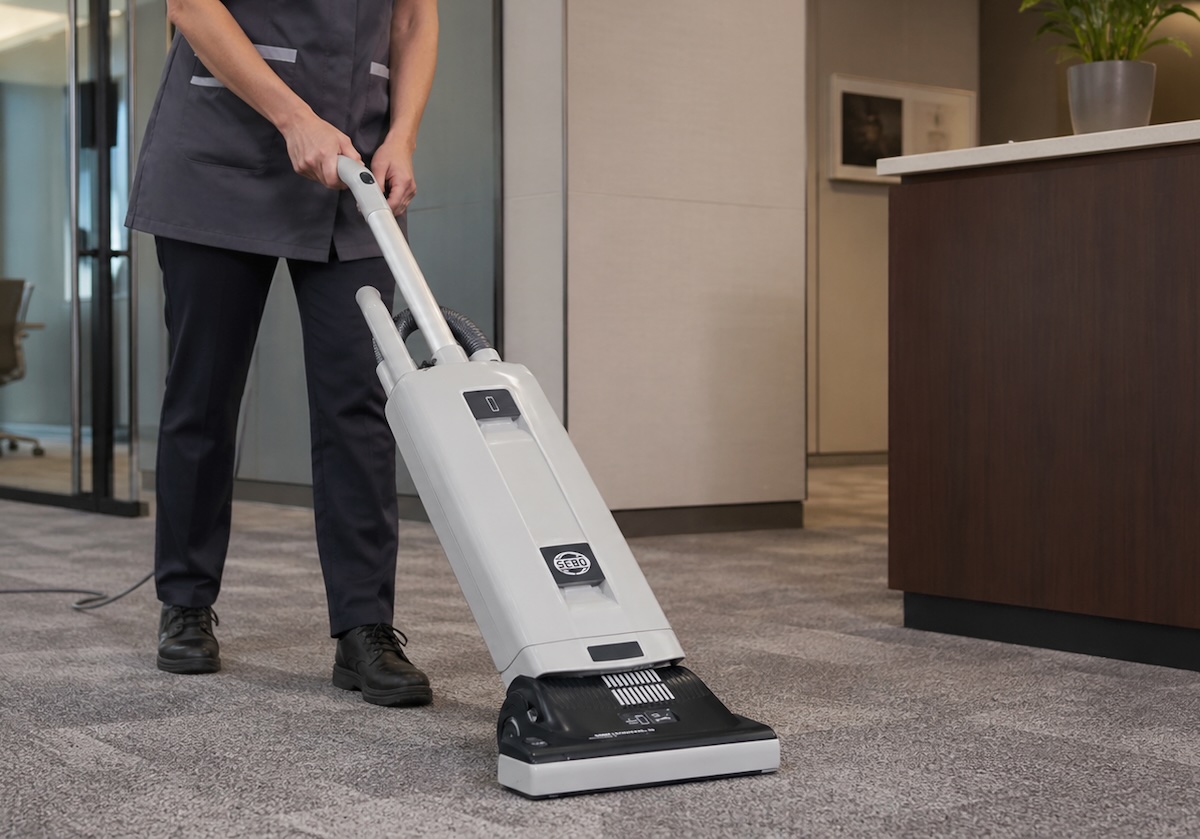
A bagged vacuum makes disposal neater. Pull the bag, toss it, replace it, and move on. That is one of the reasons bagged commercial uprights remain so popular with people who clean for a living.
Filtration Works Best When Dust Stays Contained
A lot of vacuum shoppers focus on filtration, and they should. Filtration matters in commercial spaces, especially where people spend long hours indoors.
But filtration isn’t only about the filter itself. The whole vacuum has to work together. The bag, seals, motor housing, exhaust filter, and airflow path all affect how well the machine contains fine dust. A vacuum can have impressive-sounding filter language, and still be frustrating if dust leaks out during use or gets released every time the bin is emptied.
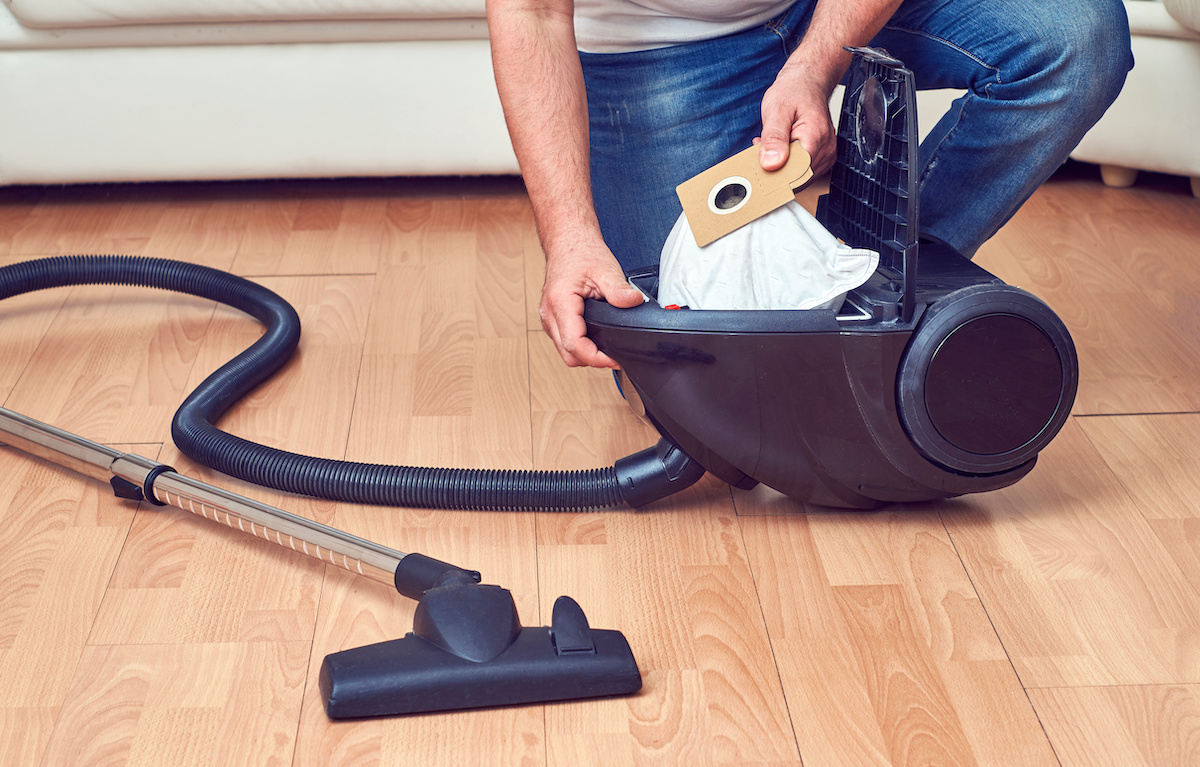
That is one reason many commercial buyers prefer bagged machines. The bag is part of the filtration and containment system. It gives dirt and dust a controlled place to go.
This is especially helpful in buildings where the vacuum is used often or by more than one person. A system that is easy to maintain correctly is usually better than a system that only works well when someone gives it perfect attention every time.
Bagless Does Not Always Mean Less Maintenance
One of the biggest reasons people consider a bagless commercial vacuum is the idea that it will save money on replacement bags.
That makes sense at first. Nobody loves buying supplies.
But bagless doesn’t mean maintenance-free. It usually means the maintenance shows up somewhere else. With a bagless vacuum, someone still has to empty the dirt cup. Someone has to clean or replace filters. Someone has to check for clogs. Someone has to keep the dust cup, screens, seals, and airflow channels from getting packed with fine debris.
When that maintenance gets ignored, the vacuum may lose suction, run hotter, smell worse, or simply stop cleaning the way it should.
In other words, you may save on bags but pay for it in labor, frustration, downtime, or shorter machine life.
For a commercial building or cleaning service, the question shouldn’t be, “Can we avoid buying bags?” The better question should be, “Which machine will be easiest to keep working properly?” Very often, bagged vacuums are better in that regard.
The Real Cost Is Not Just the Price of Bags
It is easy to compare a bagged and bagless vacuum by looking at the shelf price and the cost of replacement bags. But commercial cleaning costs are bigger than that.
You also have to think about:
- How long it takes to clean the building
- How often the machine needs attention
- Whether staff use it correctly
- How often filters need to be cleaned or replaced
- Whether parts are easy to find
- How much downtime costs you
- Whether the machine holds up to daily use
- Whether the vacuum leaves the space feeling cleaner
A vacuum that avoids bags but constantly needs filter cleaning may not actually be cheaper. A low-priced machine that wears out quickly may not be a value. A vacuum that frustrates the person using it may not get used the right way.
The cheapest vacuum is not always the one with the fewest supplies. It is the one that keeps cleaning without becoming a project.
When a Bagless Commercial Vacuum Might Make Sense
Bagless vacuums are not automatically bad. There are situations where a bagless machine may be fine.
A bagless vacuum might make sense in a small space with light-duty cleaning needs. It may work well when one careful person is responsible for the machine and is willing to empty the bin, clean the filters, and keep up with maintenance. It may also be a reasonable choice for certain dry debris areas where dust containment is not the top priority.
The key is honesty.
If the vacuum will be used by multiple employees, volunteers, or cleaning crew members, bagless maintenance can become inconsistent. If the building has carpet, fine dust, lots of foot traffic, or people who are sensitive to indoor dust, a bagged commercial vacuum is usually the safer choice.
Bagless can be convenient in the right setting. Bagged is usually more dependable in a real commercial routine.
Best Places to Use a Bagged Commercial Vacuum
Bagged commercial vacuums are a strong fit for many Middle Tennessee businesses and organizations because they match the way these buildings are actually cleaned.
They are especially useful in office buildings where carpeted areas need regular vacuuming and the machine may be used several nights a week. They also make sense for churches, where one vacuum may need to handle hallways, classrooms, offices, nurseries, and gathering areas.
Medical and dental offices often benefit from a vacuum that contains debris cleanly and is easy for staff to maintain. Schools, daycares, and professional buildings also tend to do better with machines that are simple, reliable, and easy to empty without making a mess.
Cleaning companies should also take bagged commercial vacuums seriously. When crews are moving from property to property, consistency matters. A vacuum that is easy to service, easy to empty, and built for repeated use can save time and reduce headaches.
What to Look for in Bagged Commercial Vacuum Cleaners
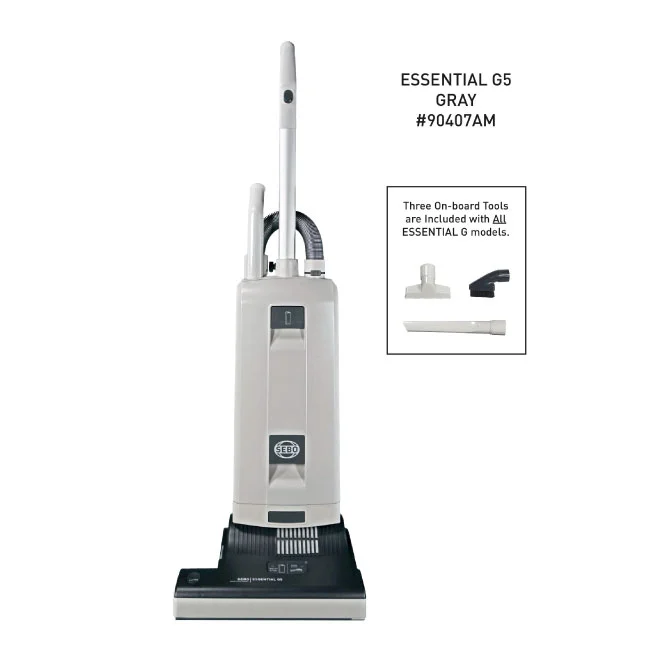
Once you decide a bagged vacuum makes sense, the next step is choosing the right one.
Not every bagged vacuum is built for commercial use. Some machines may use bags but still have short cords, weak parts, awkward maintenance, or poor filtration. For a business, church, school, or cleaning crew, those details matter.
A good bagged commercial vacuum should have a long cord, preferably around 40 to 50 feet, so the operator does not have to stop constantly to change outlets. It should have solid filtration and a design that helps keep dust contained. It should be easy to access the brushroll, clear clogs, and replace common wear parts.
Weight matters too. A machine that is too heavy or awkward may clean well on paper but wear out the person using it. Cleaning path also matters. A wider head can help in open carpeted areas, while a smaller machine may be easier to maneuver around furniture, pews, desks, and tight rooms.
Serviceability is another big factor. Commercial vacuums should not be treated like disposable appliances. The better choice is usually a machine with available parts, replaceable components, and local service support.
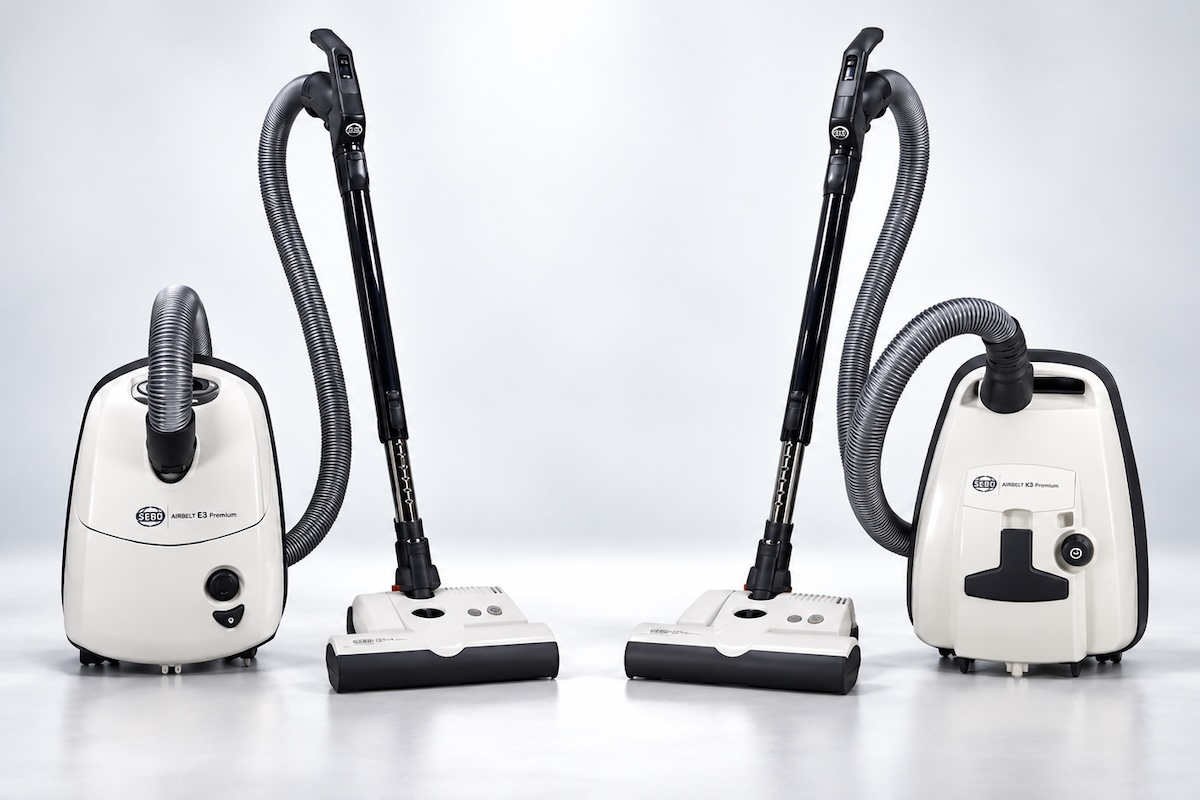
That is one reason brands like SEBO, CleanMax, Perfect, and Windsor often come up in commercial vacuum conversations. They are built around practical cleaning needs instead of gimmicks.
Use Cases
Bagged vs. Bagless for Offices
For most offices, bagged commercial vacuums are the better fit.
Office spaces usually have a mix of carpet, entry debris, dust, paper scraps, and everyday foot traffic. The cleaning may happen after hours, and the person using the vacuum needs to move efficiently from room to room without fighting the machine.
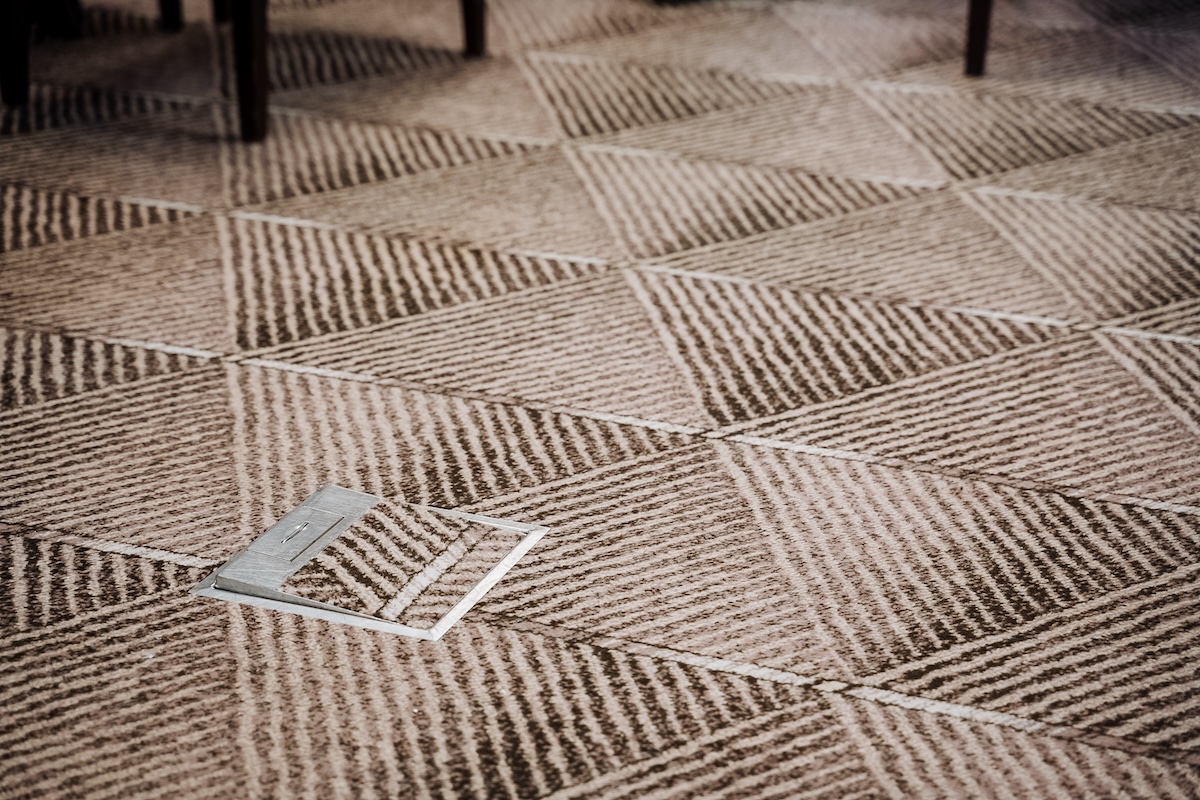
A bagged upright with good filtration, a long cord, and easy maintenance is usually ideal. It keeps the process simple and helps the office feel cleaner when employees and clients return the next day.
Bagless can work in a very small office, but for regular cleaning, bagged is usually more practical.
Bagged vs. Bagless for Cleaning Companies
For cleaning companies, time is money. A vac that needs constant attention slows down the route. A machine that loses suction halfway through a job creates frustration. A dust cup that has to be emptied carefully at every stop can become one more messy step in an already busy schedule.
Bagged commercial vacuums are often a better fit because they are predictable. Crews can carry replacement bags, change them as needed, and keep moving. The right machine can also be serviced instead of thrown away when something wears out.
For cleaning businesses, a commercial vacuum should be viewed as a tool. And the best tools are the ones that work every day without a lot of maintenance or issues popping up.
Should You Ever Choose Bagless for Commercial Cleaning?
Maybe, but only in the right situation. A bagless vacuum may be fine for light use in a small building where one person takes care of the machine. It may also work in spaces where dust containment is not a major concern and the cleaning routine is simple. But for most commercial buyers, if you’re comparing bagless vs bagged vacuums, most of the time bagged is the better default.
If the building is cleaned often, if the vacuum is used by multiple people, if filtration matters, or if downtime would be a headache, a bagged commercial vacuum is usually the more dependable choice.
The Bottom Line
Bagged Usually Wins for Commercial Use
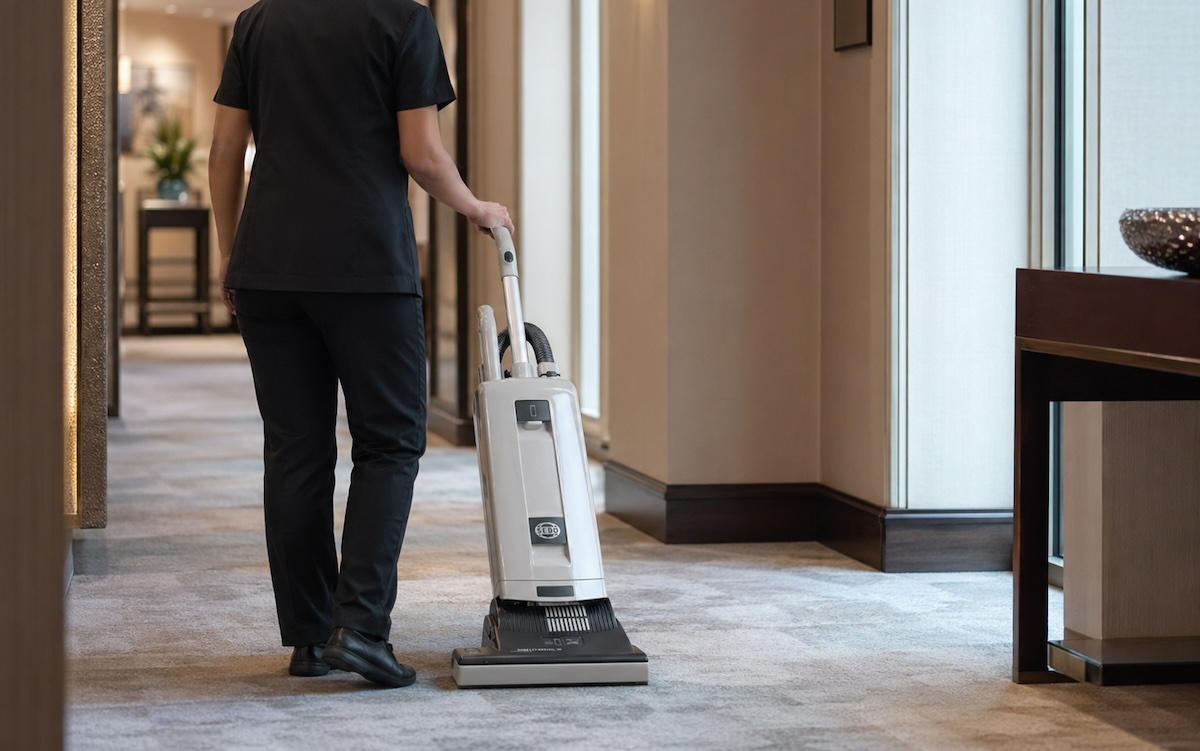
Bagless vacuums are popular because they look convenient. But commercial cleaning is not about what looks easiest in the first week. It is about what keeps working month after month.
For most offices, churches, schools, professional buildings, medical waiting rooms, and cleaning crews, a bagged commercial vacuum is usually the smarter investment. It is cleaner to empty, easier to maintain, better for consistent dust containment, and more practical for regular use.
The right machine still depends on your building. Flooring type, square footage, cleaning frequency, filtration needs, operator comfort, and serviceability all matter. A good commercial vacuum should not make cleaning more complicated. It should make the job feel easier, cleaner, and more reliable every time you plug it in.