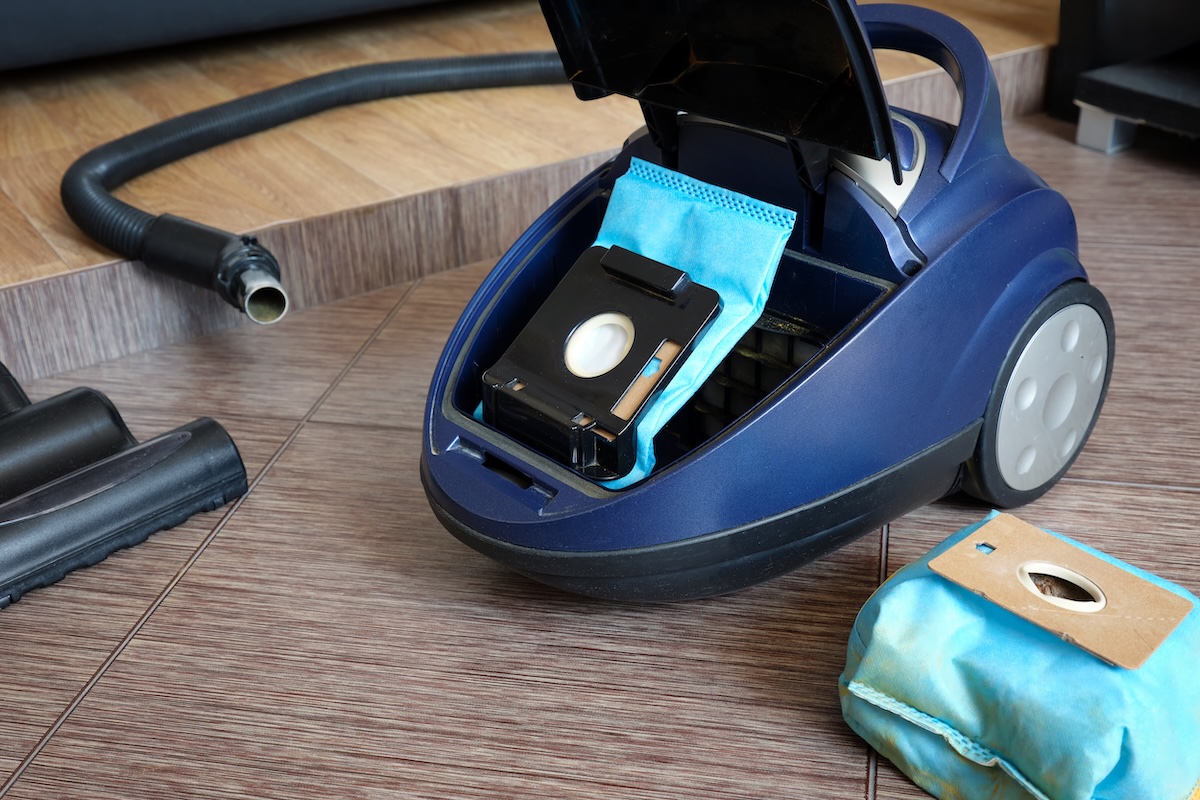
A good commercial vacuum shouldn’t need constant attention, but it does need basic care. In offices, churches, schools, medical waiting rooms, and cleaning routes, vacuum cleaners work much harder than many people realize. They pick up carpet grit, dust, paper scraps, hair, thread, food crumbs, entryway debris, and whatever gets tracked in from the parking lot.
Even the best commercial vacuum cleaners can start performing poorly if the bag is overfilled, the brushroll is wrapped with hair, the filters are clogged, or the cord is damaged from being yanked out of outlets. Most vacuum problems don’t start as major breakdowns. They start as small maintenance issues that get ignored until the machine loses suction, smells hot, gets loud, or stops cleaning the way it should.
The good news is that commercial vacuum maintenance is usually simple. You do not need to baby the machine. You just need a routine that keeps airflow open, the brushroll clean, the filters working, and the wear parts from going too long.
Here is a practical maintenance checklist for keeping a commercial vacuum cleaner running longer.
Start With the Bag or Dirt Container
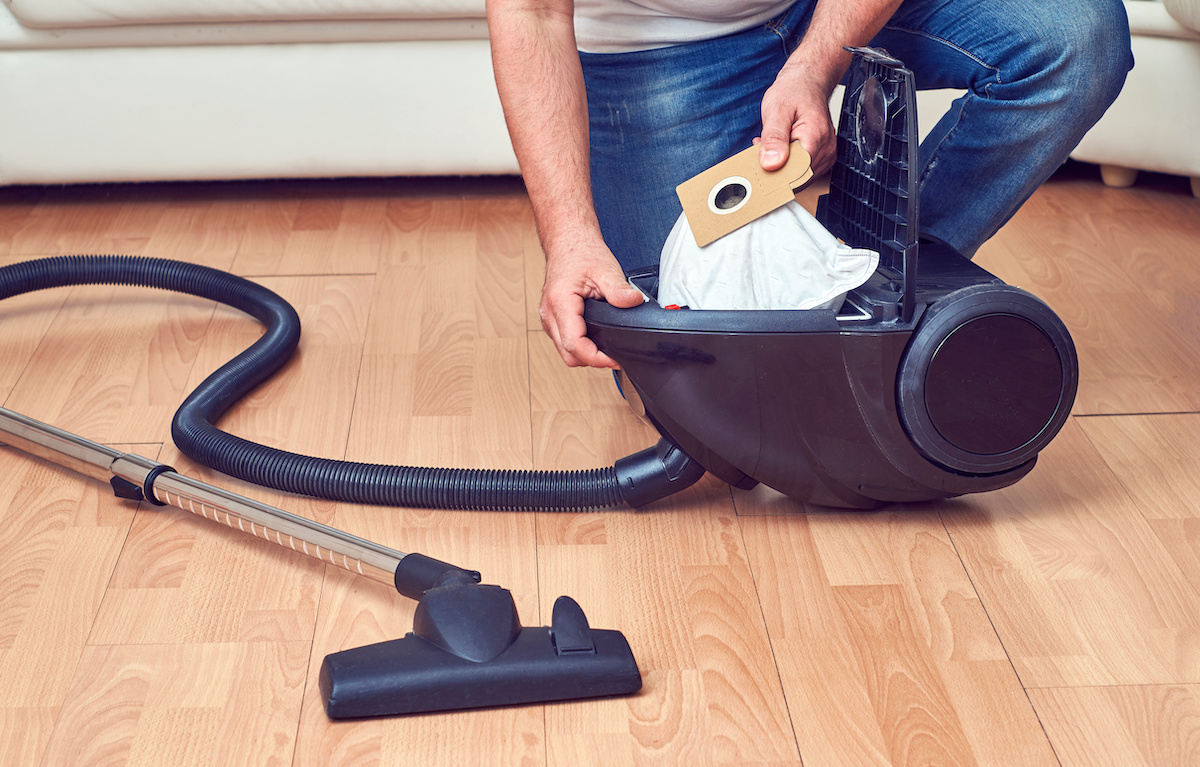
For bagged commercial vacuums, the bag should be checked often and changed before it is packed full. A bag that looks like it could hold a little more may already be restricting airflow.
When airflow drops, the vacuum has to work harder. Pickup gets weaker, the motor may run hotter, and fine dust can settle into places it shouldn’t. In a commercial setting, that can turn a reliable machine into a frustrating one.
A good habit is to check the bag before each major cleaning route. For lighter use, checking it a few times a week may be enough. For churches after a busy weekend, offices with heavy foot traffic, schools, daycares, and janitorial routes, checking the bag more often makes sense.
Tip: Don’t wait until the vacuum feels weak. A full bag is one of the easiest problems to prevent.
For bagless machines, the dirt cup should be emptied before it reaches the maximum fill line. The cup should also be cleaned often enough that dust does not cake around the screen, seal, or airflow path. Bagless vacuums can lose performance quickly when fine debris builds up where air needs to move.
Keep the Brushroll Clear
The brushroll does a lot of the work on carpet. It agitates the carpet fibers so the vacuum can lift dirt, lint, hair, and debris out of the pile. When the brushroll is wrapped with hair, string, thread, dental floss, or carpet fibers, it cannot do its job as well.
A clogged brushroll can also put extra strain on the belt, bearings, and brush motor. In some vacuums, the machine may shut itself off to protect the brushroll. In others, the brush may keep struggling until something wears out.
Check the brushroll regularly, especially in buildings with:
- Long hair
- Pet hair
- Carpeted classrooms
- Entry mats
- Sewing or craft areas
- Church nurseries
- Office areas with lots of paper scraps
- Commercial carpet that sheds fibers
If the brushroll is removable without tools, take advantage of that feature. Machines like the SEBO G5 and Windsor Sensor series are known for practical brush access, which makes routine cleaning much easier. If the brushroll is harder to reach, it is still worth checking on a schedule instead of waiting until the vacuum stops picking up well.
Cut away wrapped hair or thread carefully. Avoid slicing into the bristles, belt, or brushroll itself.
Replace Bags With the Right Bags
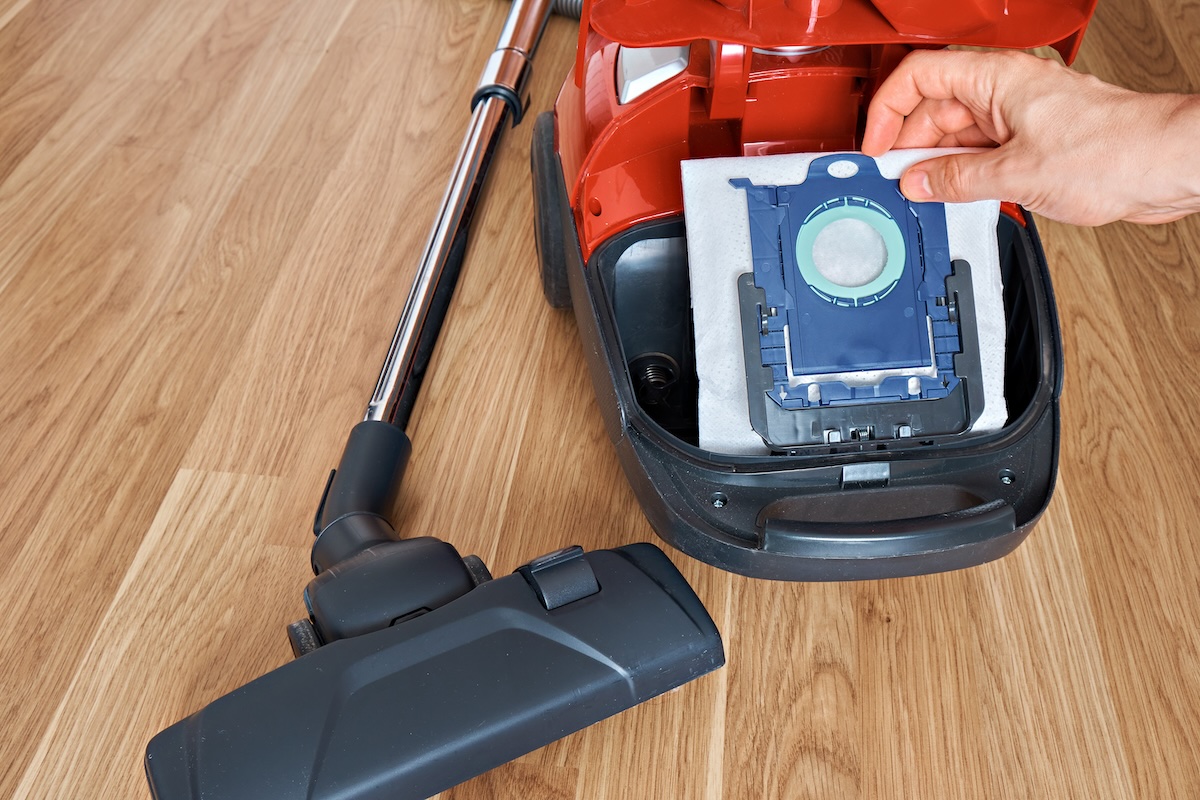
Commercial vacuums are designed around airflow. The bag is part of that airflow system. Using the wrong bag can affect suction, filtration, fit, and dust containment. Cheaper off-brand bags may look close enough, but they can fit poorly, leak dust, or restrict airflow. Saving a little money on bags isn’t much of a win if the machine starts performing worse or pushing more dust into the vacuum body.
Use OEM quality compatible replacement vacuum bags made for the machine whenever possible. Keep extra bags stored near the vacuum so staff or volunteers aren’t tempted to keep running it with an overfilled bag.
For buildings with multiple vacuums, label the storage area clearly. Mixing up bags between machines is a common maintenance headache, especially when a facility owns more than one brand or model.
Check Filters Before They Become a Problem
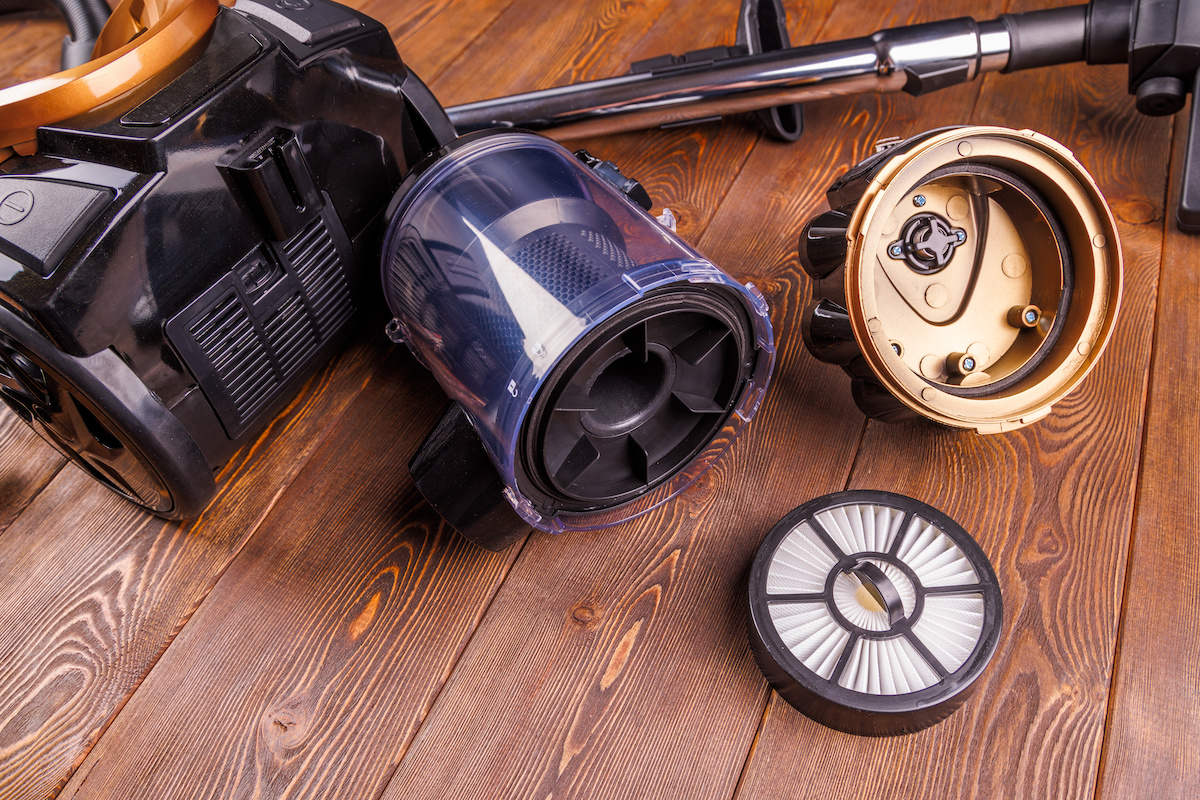
Filters help protect the motor and reduce the amount of fine dust leaving the machine. Over time, filters load up with dust and need to be cleaned or replaced depending on the vacuum design.
A clogged filter can make a vacuum feel like it has lost suction even when the bag is new and the hose is clear. It can also make the motor work harder because air cannot move through the machine properly.
Commercial buildings should keep a simple vacuum cleaner filter replacement schedule. The exact timing depends on the machine, the amount of use, and the type of debris being picked up. A vacuum used once a week in a small office will not need filter attention as often as a vacuum used every night in a school, church, or cleaning route.
Signs the filters may need attention include:
- Reduced suction
- Dusty smell while vacuuming
- Motor sounding strained
- Vacuum running warmer than usual
- Fine dust around the exhaust area
- Bag changed but performance still weak
Do not wash a filter unless the manufacturer says it is washable. Some filters are meant to be replaced, not rinsed. Washing the wrong filter can damage it or cause dust to pass through more easily.
Inspect the Cord Often
Commercial vacuum cords take a beating. They get pulled around corners, wrapped quickly, stepped on, rolled over, stretched across hallways, and sometimes unplugged by pulling the cord instead of the plug.
A damaged cord can be unsafe. Check the cord for cuts, exposed wiring, loose plug ends, melted spots, or areas that feel unusually stiff or weak. If the vacuum has a pigtail cord design, replacing a damaged cord section may be simpler than replacing a full cord. That is one reason serviceable commercial machines are worth considering in the first place.
Train staff not to yank the cord from the wall. It sounds basic, but it helps protect the plug, outlet, and machine. The cord should also be wrapped correctly after use. Wrapping too tightly or twisting the cord repeatedly can shorten its life.
For larger buildings, cord length affects more than productivity. A longer cord can reduce the number of times the operator plugs and unplugs the machine during a route, which can also reduce wear on the cord and plug.
Clear Clogs Early
A clog does not always stop a vacuum completely. Sometimes it just weakens performance enough that the operator keeps going without realizing the machine isn’t cleaning well.
Common clog areas include:
- Hose
- Wand
- Nozzle
- Lower intake
- Bag opening
- Filters
- Brushroll housing
If suction drops suddenly, check for a clog before assuming the vacuum needs repair. Paper scraps, wrappers, leaves, pine needles, and carpet debris can lodge in narrow airflow areas.
In churches, small craft items and classroom debris are common culprits. In offices, paper clips, shredded paper, and scraps near desks can cause problems. In entry areas, leaves and grit can build up quickly.
Some commercial vacuums include clog indicators or warning lights. Pay attention to them. They are there to prevent a small blockage from becoming a service issue.
Watch the Belt and Brush Drive System
Many upright vacuums rely on a belt or brush drive system to turn the brushroll. If the brush stops spinning, carpet cleaning performance drops quickly.
Signs of belt or brush drive problems include:
- Burning rubber smell
- Brushroll not spinning
- Vacuum hard to push
- Poor carpet pickup
- Loud or uneven sound from the nozzle
- Brushroll stopping when it touches carpet
Some commercial vacuums use protection systems that shut the brush off when there is an obstruction. Others may require belt replacement when the belt stretches, slips, or breaks.
Do not ignore a burning smell. Turn the machine off and inspect the brushroll area. A simple tangle may be stopping the brush from turning.
Check Wheels, Base Plate, and Height Settings
A commercial vacuum has to move well to clean well. Worn wheels, a damaged base plate, or the wrong height setting can make the vacuum harder to push and less effective on carpet.
If the vacuum sits too low, it may be difficult to push and can strain the motor or brushroll. If it sits too high, it may not agitate the carpet properly. Manual height adjustment works well when the operator understands how to set it. Automatic height adjustment can be helpful in buildings with mixed carpet types.
Check the bottom of the vacuum occasionally. Look for cracked plates, missing screws, worn wheels, or debris lodged around moving parts.
A vacuum that drags, rattles, or feels uneven should be inspected before it causes more wear.
Keep the Hose and Wand in Good Shape

Many commercial uprights include a hose and wand for edges, corners, baseboards, upholstery, vents, and tight spaces. These tools only help if they are kept clear and attached properly.
Inspect hoses for cracks, splits, loose cuffs, or blockages. A small crack in the hose can reduce suction and make detail cleaning less effective. If the hose whistles, collapses, or feels weak, it may need attention.
Wands and tools should be stored with the vacuum instead of tossed separately into a closet. Missing tools make the vacuum less useful, and staff may start using the main nozzle for jobs that really need an attachment.
For offices, churches, and schools, detail tools are especially useful around baseboards, chair legs, pews, furniture edges, and entry areas.
Do Not Overuse the Vacuum as a Shop Vac
A commercial upright isn’t the same thing as a wet/dry shop vacuum. It should not be used for liquids, construction dust, fireplace ash, large debris, or anything sharp enough to damage the bag, hose, or fan system.
This comes up often after renovations, events, church projects, classroom activities, or office buildouts. Someone sees debris on the floor and grabs the nearest vacuum. That can be an expensive mistake.
Fine construction dust can clog filters quickly. Sharp debris can puncture bags or damage internal parts. Liquids can ruin a dry vacuum and create safety issues.
Use the right machine for the mess. A commercial upright is built for routine floor cleaning, not every cleanup job in the building.
Store the Vacuum Correctly
Storage affects vacuum life more than people expect. A machine shoved into a crowded closet with the cord tangled around the handle is more likely to have broken hooks, cracked plastic, missing tools, and cord damage.
Store the vacuum upright in a dry area. Keep bags, belts, and filters nearby. Do not store heavy supplies on top of the vacuum. Avoid leaving the machine where it can be hit by carts, chairs, mop buckets, or other equipment.
For churches and shared facilities, it can help to create a small labeled vacuum station. Include the machine, replacement bags, filters, basic instructions, and a note about who to contact if something seems wrong.
When multiple people use the same vacuum, clear storage and simple instructions prevent a lot of avoidable damage.
Listen for Changes
Operators often notice vacuum problems before managers do. A machine that suddenly sounds louder, higher-pitched, rough, or strained should be checked.
Changes in sound can point to:
- Clogs
- Brushroll obstructions
- Worn bearings
- Motor strain
- Loose parts
- Damaged belts
- Air leaks
Encourage staff to report changes instead of pushing through the route. Catching a problem early can prevent a repair from becoming a replacement.
A vacuum does not need to sound perfect forever, but sudden changes are worth attention.
Keep Basic Supplies on Hand
A commercial vacuum is easier to maintain when the right supplies are already in the building.
Keep these items available:
- Replacement bags
- Filters
- Belts, if the machine uses them
- Scissors for brushroll tangles
- Basic instructions
- A service contact
- Spare tools or attachments if they are commonly misplaced
For cleaning companies, each route vehicle should carry the supplies needed for the machines being used. For offices, churches, and schools, supplies should be stored where the vacuum is stored.
Running out of bags or filters usually leads to poor maintenance decisions. Someone keeps using the machine anyway, borrows the wrong bag, or sets the vacuum aside until it becomes someone else’s problem.
Create a Simple Maintenance Schedule
A written schedule does not need to be complicated. A basic checklist can keep the vacuum in better shape and help staff know what to do.
A practical schedule might look like this:
Before each use
Check the cord, bag level, and brushroll area. Make sure the vacuum sounds normal when it starts.
Weekly
Inspect the brushroll, hose, wand, wheels, and bottom plate. Remove wrapped hair or string. Check for clogs if suction feels weak.
Monthly
Check filters, inspect the cord more closely, clean attachment tools, and look for worn parts.
Every few months
Replace filters as needed, inspect belts or brush drive components, and have heavily used machines checked by a vacuum service professional.
The schedule should match the building. A small office may not need the same routine as a cleaning company running vacuums every night. A church may need extra checks after large events, holidays, or heavy weekend use.
Know When Maintenance Becomes Repair
Some issues can be handled in-house. Others should be looked at by a professional.
Get the vacuum checked if you notice:
- Burning smell that does not go away after clearing the brushroll
- Sparks or cord damage
- Motor not turning on
- Repeated shutdowns
- Loud grinding noise
- Severe loss of suction after checking bag, filters, and clogs
- Broken handle, wheels, or housing
- Brushroll not spinning after basic inspection
- Dust leaking from the machine
Trying to force a damaged vac through another route can make vacuum cleaner repair more expensive. It can also leave the building poorly cleaned.
A serviceable commercial vacuum is worth maintaining because many common parts can be replaced. Cords, brushrolls, belts, filters, hoses, wheels, and other wear items do not always mean the machine is finished.
Consider Serviceability Before You Decide on a Commercial Vacuum Cleaner
Maintenance is easier when the vacuum was designed to be maintained.
Before buying a commercial vacuum, look for features that make routine care simpler:
- Easy bag changes
- Tool-free or simple brushroll access
- Replaceable brush strips or brushrolls
- Clog indicators
- Bag-full indicators
- Replaceable cords
- Available filters and bags
- Durable wheels and handles
- Local parts and service support
This is where commercial machines separate themselves from disposable household vacuums. A cheaper vacuum may look attractive upfront, but if common parts are hard to find or the machine is difficult to repair, it may cost more over time.
Brands like SEBO, CleanMax, Perfect, and Windsor often come up in commercial vacuum conversations because they focus on practical details that matter during real use. The right model depends on the building, flooring, cleaning frequency, and operator needs.
For a deeper look at choosing the right machine, read our commercial vacuum cleaner buying guide.
Maintenance Tips
Vacuum Cleaners for Offices
Office vacuums deal with carpet dust, paper scraps, entryway dirt, and debris around desks. Check the bag often and inspect the brushroll for threads, hair, and carpet fibers.
Tip: Pay special attention to entry mats and high-traffic hallways. These areas collect grit that can wear carpet and fill vacuum bags faster than private offices.
If the vacuum is used after hours by a cleaning crew, make sure replacement bags and filters are easy to find. Crews should not have to hunt through storage closets to maintain the machine properly.
Vacuum Cleaners for Churches
Church vacuums often get used by different people, including staff, volunteers, and cleaning services. That makes simple maintenance instructions especially helpful. Store bags and filters near the vacuum. Label the machine if the building has more than one. Check the brushroll after nursery use, classroom activities, craft events, and large gatherings.
Churches with long hallways, fellowship areas, and sanctuary carpet should also watch cord condition. Long cleaning routes can be hard on cords if they are wrapped quickly or pulled from outlets by the cord instead of the plug.
Vacuum Cleaners for Cleaning Companies
Cleaning companies need vacuums that are easy to inspect quickly. Before leaving for a route, check bags, cords, filters, and brushrolls. Keep extra bags and filters in the vehicle.
A machine that fails during a route costs time and can affect the quality of the job. Rotating machines for service before they break down is often smarter than waiting for a failure.
Cleaning companies should also train employees on what not to vacuum. Liquids, construction dust, large debris, and sharp objects can damage machines and slow down the entire schedule.
Vacuum Cleaners for Schools and Daycares
Schools and daycares create tough vacuum conditions. Carpeted rooms may collect crumbs, paper, craft supplies, hair, playground dirt, and fine dust. Brushrolls and hoses should be checked often. Avoid vacuuming large craft debris, wet messes, or small hard objects that can clog the hose or damage the machine. If the vacuum smells dusty even after changing the bag, check the filters and brushroll housing.
Because these buildings often have many rooms, cord care and storage are important. A damaged cord can take a machine out of service even when the motor and cleaning system are still fine.
A Regular Vacuum Cleaner Servicing Routine Can Save Money in the Long Run
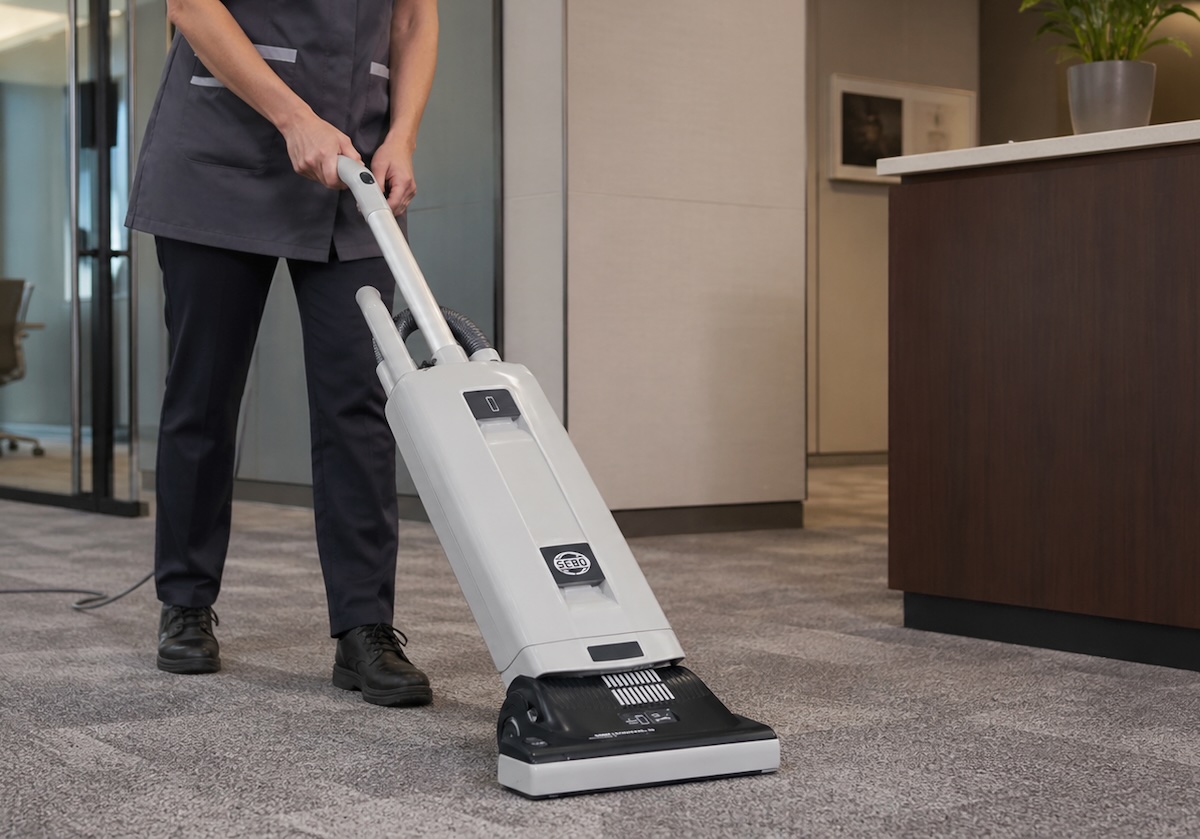
Commercial vacuum maintenance is not complicated, but it has to be consistent. Change bags before they are packed full. Keep filters clean. Remove hair and string from the brushroll. Watch the cord. Clear clogs early. Store the machine where it will not be damaged.
Those habits help the vacuum clean better, last longer, and cost less to own.
They also make cleaning easier for the people using the machine. A vacuum with good suction, a clean brushroll, and an open airflow path is faster and less frustrating to use than one that has been neglected.
If your commercial vacuum is losing suction, getting loud, smelling hot, or becoming harder to push, Edison Vacuum of Greater Nashville can help you decide whether it needs basic maintenance, replacement parts, repair, or a better machine for the job. With regular service, a good machine can stay useful for years to come.