A brush roll that refuses to spin can make a vacuum feel “weak” during use, even when the motor sounds like it is running at full strength. You look down and the carpet still looks the same, or debris stays put, despite the fact that you can hear the motor running like normal.
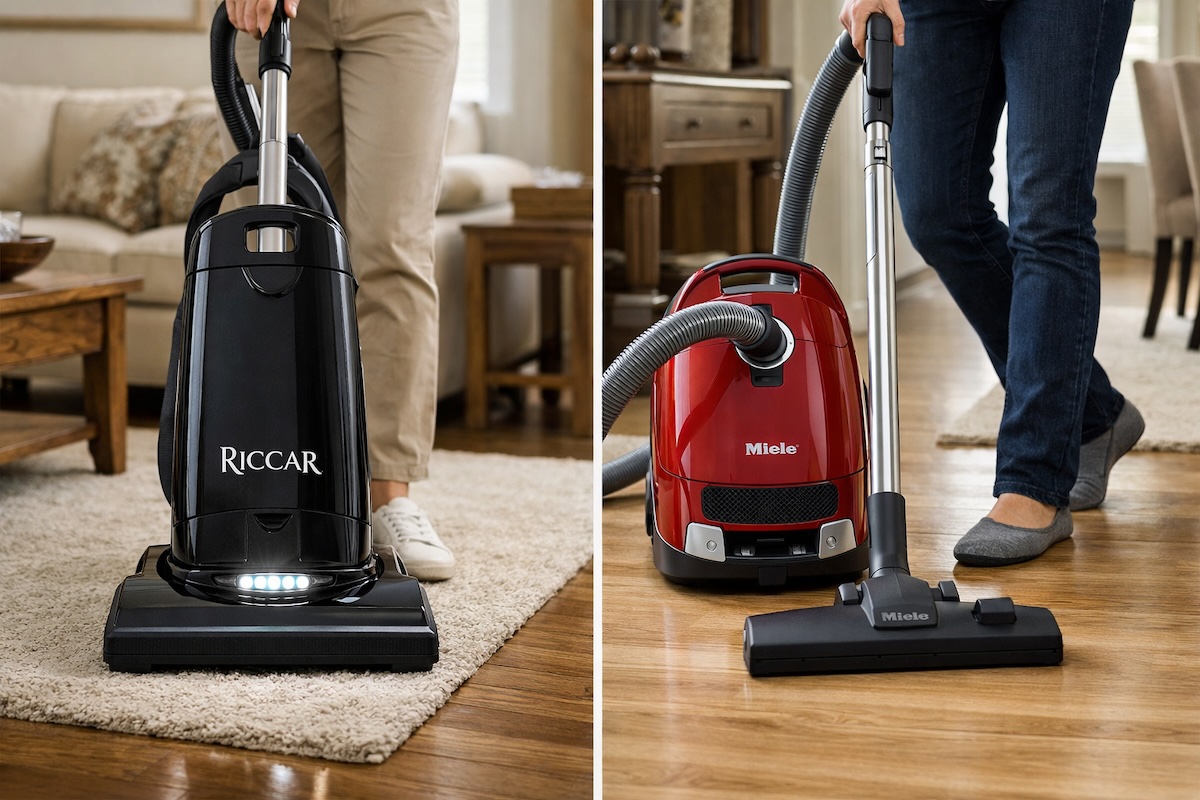
Everything else seems to be working, the lights turn on, the suction sounds fine in the air, and yet the machine behaves like a vacuum with no suction but no clogs. That’s because in most household vacuums, even higher-end models like those from Miele, Sebo, Riccar, and so on, the brush roll and other wearable parts tend to wear out or bind long before the motor shows any real signs of fatigue. Carpets hide debris that slowly wraps and tightens around the roll, belts stretch a fraction at a time until they can’t grip, and bearings dry out after years of being showered with fine dust.
Most folks naturally assume something major has failed, because when a vacuum cleaner makes noise but does not suck, the one job it was built for, peoples’ minds naturally jump to complicated, expensive possibilities.

The good news, most of the time anyway, is that brush roll issues usually trace back to a handful of very predictable causes. It is rarely something exotic. That is, nobody ever brings a vacuum cleaner with a stuck brush roll into their local vacuum cleaner store and hears, “Well, congratulations, you discovered the first quantum entanglement failure in a household cleaning appliance. We will be submitting this one to MIT, please do not tell anyone you solved interdimensional suction.”
People worry the vacuum repair technician is going to come out holding a clipboard with that grim face that means a $500 repair bill, but in reality it’s almost always a belt, a bearing, or a clog that made a break for it.
Some of these things can be corrected at home with basic tools and a bit of patience, although it helps to be in the right frame of mind so you do not rush past something obvious. There’s nothing quite like spending 20 minutes dismantling your vacuum cleaner only to discover a bottle cap lodged right where you looked first, but somehow didn’t see the first time. Others point to deeper internal problems that a local vacuum repair shop can diagnose with far less trial and error than most folks expect. Vacuum cleaner shops see this exact problem so regularly that it becomes second nature to them.
This guide walks through the most common reasons a brush roll stops turning, how to check each one, and where the line usually sits between a straightforward home fix and the point where you are better off letting a technician take over.
Start With the Most Common Mechanical Causes
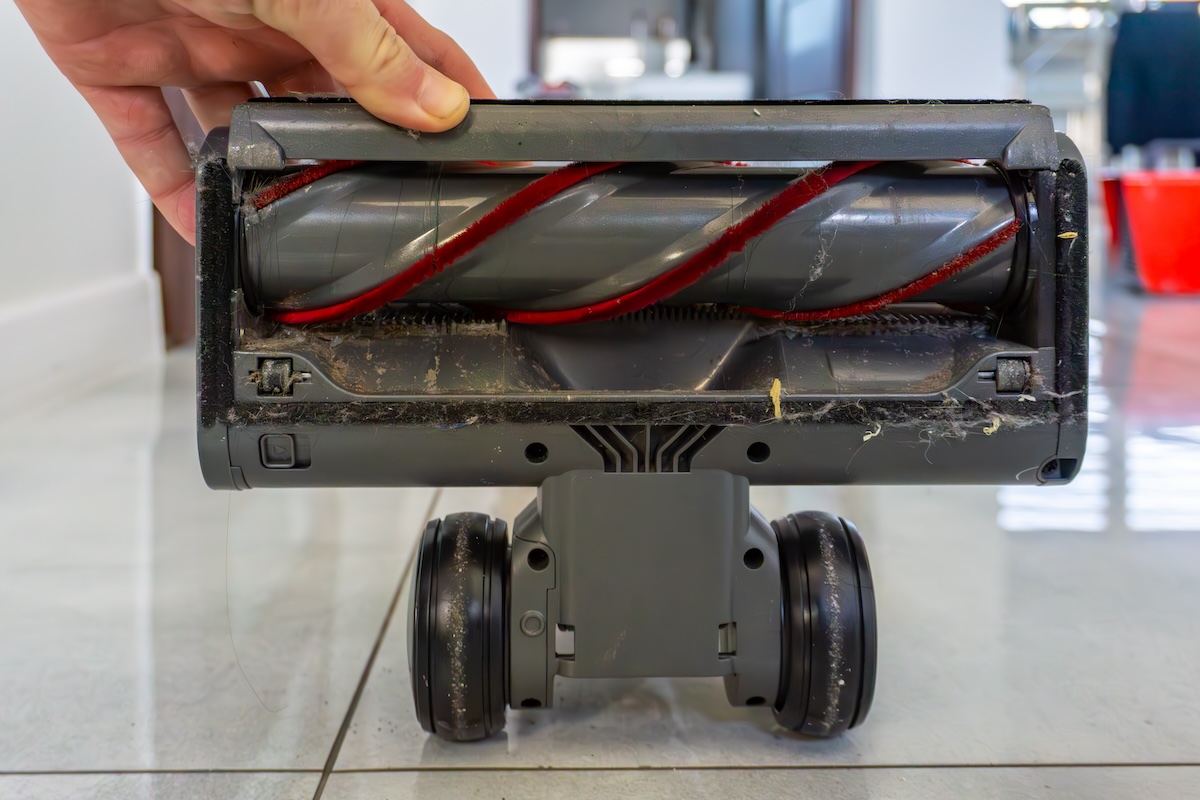
A brush roll depends on a clean path, a functioning belt, and freely moving bearings, all of which have to line up just right for the thing to keep turning the way it should. When even one of these pieces stops cooperating, rotation comes to a halt. It’s a simple system on paper, but in real use a lot of small variables can throw it off.
Step 1: Check for Hair and String Wrapped Around the Brush Roll
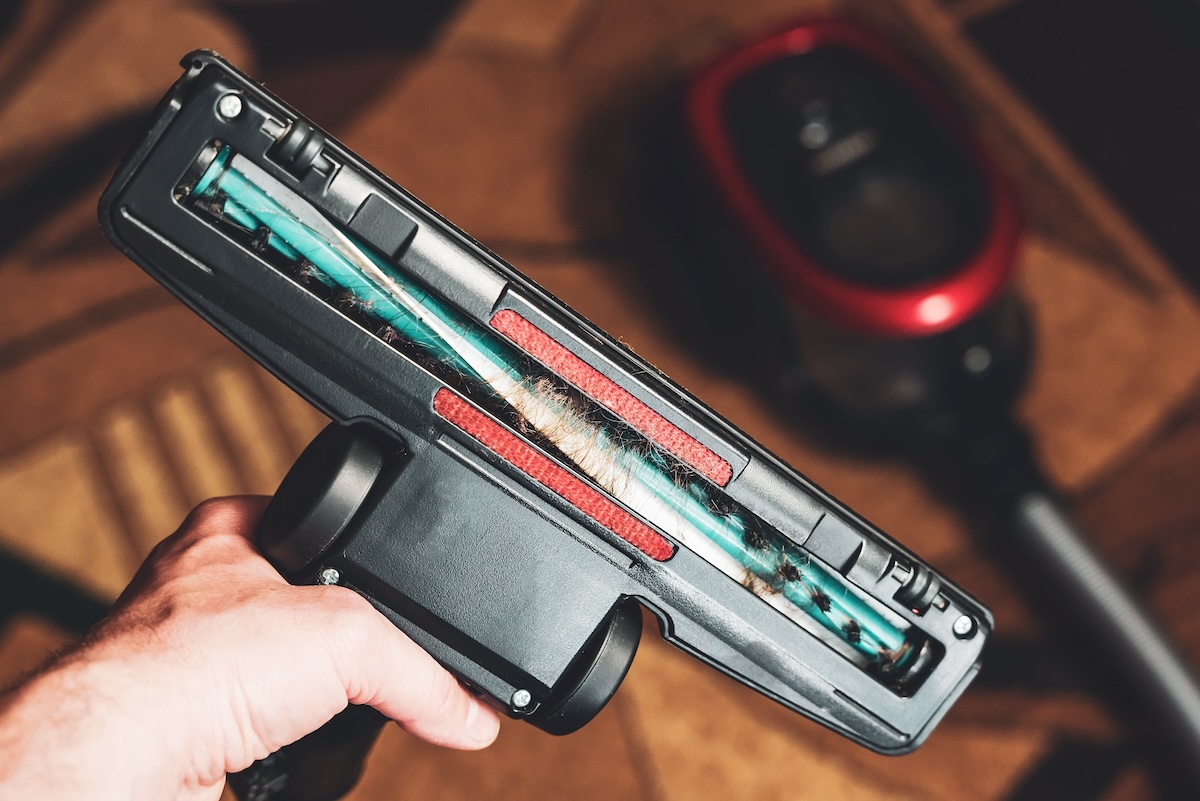
Hair buildup is the single most common reason the brush stalls. It collects in tight layers, compresses against the bristles, and eventually binds the roll so firmly that the motor can no longer turn it. Pets, long hair, and thick carpet fibers all accelerate this problem.
Lift the vacuum onto its back and look at the brush head. If the brush looks coated in a sleeve of hair, you have found the issue. You can use scissors or a seam ripper to cut the tangles, then pull them free.
Rotate the brush by hand afterward. It should turn smoothly with minimal resistance.

If you can move the roll after cleaning but it still refuses to spin under power, the belt may be slipping or stretched.
Step 2: Inspect the Brush Belt
Most vacuums rely on a rubber belt that connects the motor to the brush roll. Over time, belts loosen, crack, or melt slightly from friction. When this happens, the motor keeps running but the belt no longer has the grip or tension required to spin the brush.
Signs of a worn belt include:
- A burning rubber smell
- A brush that spins freely by hand but not when the vacuum is powered on
- A belt that feels soft, “glossy,” or slack
Belts are inexpensive and are usually the first thing technicians replace during a brush roll diagnosis. If the belt breaks repeatedly, something deeper may be misaligned inside the brush chamber or motor pulley.
Step 3: Examine the Brush Roll Bearings
Even when the belt is in good shape, the brush roll itself can seize. The bearings on each end collect dust, fine hair, and fibers that work their way into the housing. Once the bearings gum up or corrode, the brush struggles to rotate, and the belt may slip or stall under pressure.
Slide the brush roll out of its housing and spin each end individually. A healthy bearing feels smooth. A failing one feels gritty, wobbly, or stiff. Most homeowners can identify the problem by touch, but replacing bearings is often worth leaving to a repair shop because the parts vary widely between models.
If this doesn’t work, or if the brush roll will not budge no matter how much debris you clear away, that is the point where things may shift from regular maintenance into actual repair territory. Bearings can seize in ways that are not visible from the outside, and forcing them can crack the brush roll or damage the motor pulley.
Look for Electrical or Safety Cutoff Issues
Many modern vacuums protect themselves with small switches and sensors that stop the brush roll when something goes wrong. The machine still runs, but the brush will not engage until the condition is fixed.
Important: Opening deeper sections of a vacuum, especially anything involving wiring, motor housings, or tensioned components, can carry a lot of risk. Sharp edges, pinch points, and stored electrical charge can make a simple repair turn into something unsafe very quickly. At that point, taking your machine to your local vacuum cleaner repair shop is the safest route. Repair technicians have the specific tools and training to open the machine without exposing you to hazards, and they can replace the exact part (i.e. bearing or brush assembly) your model requires.
Check the Brush Roll On and Off Switch
Some vacuums have a dedicated switch for carpet mode that powers the brush roll. A loose button, dust-filled switch, or worn electrical contact can prevent engagement. Toggle the control a few times, listening for a distinct click. If the brush activates only intermittently, the switch may be failing.
Confirm the Vacuum Is in the Correct Mode
Vacuums with adjustable floor settings sometimes disable the brush roll for hard floors. If the setting shifted accidentally, the brush will not spin. Slide the selector back to carpet mode and test again.
Inspect the Brush Roll Motor or Power Connection
Certain models power the brush roll with a small secondary motor located inside the head. If you hear the main motor working but not the softer hum of the brush motor, the issue may be electrical rather than mechanical. Frayed wires inside the hose or wand can also interrupt power delivery.
These are problems that are extremely difficult to confirm at home without proper tools. A repair shop can test continuity, inspect wiring, and identify whether the brush motor has failed or if the power path has been interrupted.
Check for Airflow Issues That Can Stall the Brush

A vacuum relies on airflow not just for suction but also to keep internal components moving correctly. In some models, restricted airflow causes the brush roll to stop as a safety measure.
Look for Clogs Near the Bottom Plate
Debris wedged near the intake channel behind the brush can create back pressure. This may cause the machine to cut power to the brush to prevent overheating. Remove the bottom plate and inspect the airway for clumps of dust, carpet fibers, or small objects that slipped through.
Examine the Lower Hose or Elbow Joint
Some uprights have a flexible lower hose that carries debris from the brush chamber upward. If this hose is clogged, kinked, or collapsed, the vacuum cannot maintain proper airflow and the brush roll may stop. Clear any blockages and check for weak spots in the hose wall.
When to Bring the Vacuum to a Repair Shop
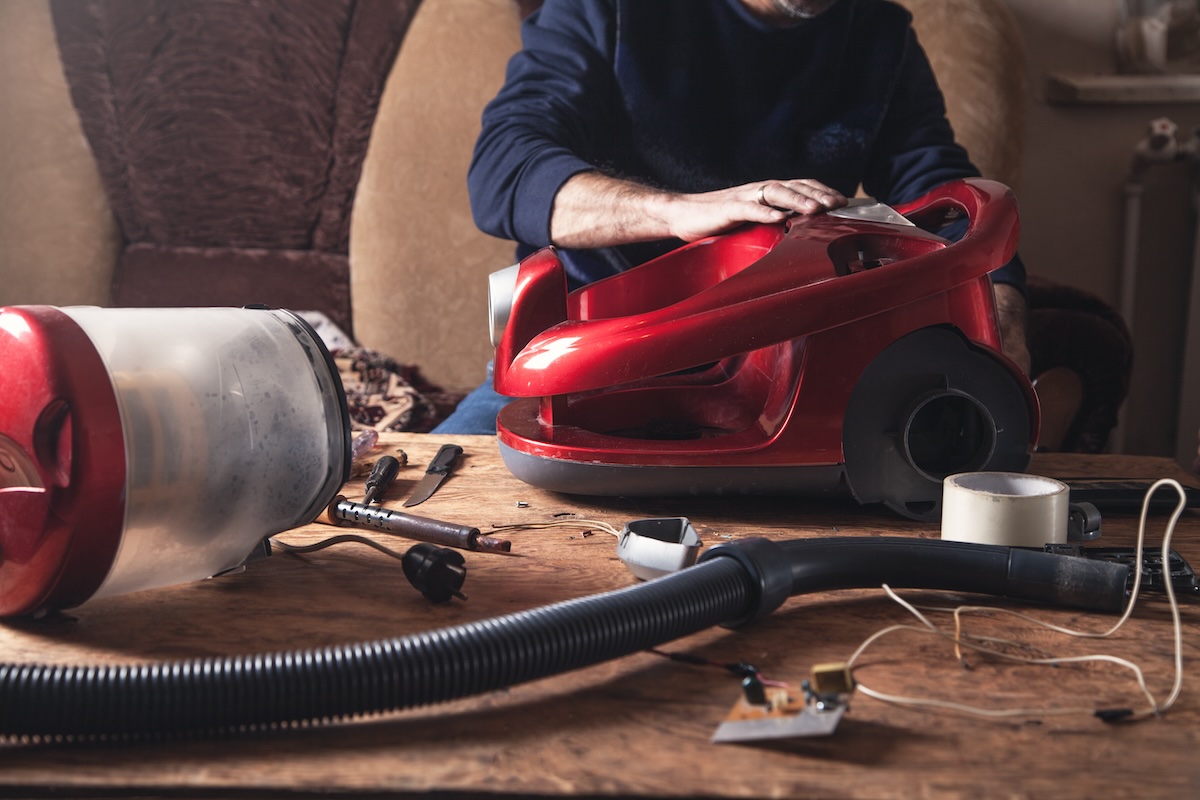
A non-spinning brush roll can look like a very simple problem on the surface, but in some cases the problem involves more than tangled hair or a tired belt. Electrical faults, failing brush motors, pressure switches, bearing damage, and internal alignment issues all lead to brush roll failure, and those are easiest to diagnose with the machine open.
You know it is time to bring the vacuum in if:
- The brush still will not spin after cleaning and replacing the belt
- The motor changes pitch or smells hot when the brush tries to engage
- The brush spins momentarily, then stops under load
- You suspect a wiring issue in the wand or hose
- Bearings feel rough or seized
- The brush roll motor is silent even when the vacuum is on carpet mode
A technician sees these patterns every day and can pinpoint the cause far faster than trial and error at home. Instead of replacing belts, switches, and rollers one by one, they can identify the exact failure and get the vacuum working without unnecessary parts or wasted time.
Tips for Keeping the Brush Roll in Good Working Shape

Most brush roll problems are preventable by giving your vacuum a little routine maintenance.
- Remove hair and string regularly
- Replace belts according to the manufacturer’s schedule
- Check the brush roll for wobble or rough rotation
- Keep airflow paths and lower hoses clear
- Avoid picking up objects that can wedge behind the brush
A brush roll that stops spinning does not have to signal the end of your vacuum cleaner. With a structured approach to diagnosing the problem and a willingness to bring in a professional when the issue runs deeper than surface debris, most vacuums can return to full performance and keep carpets looking the way they should.