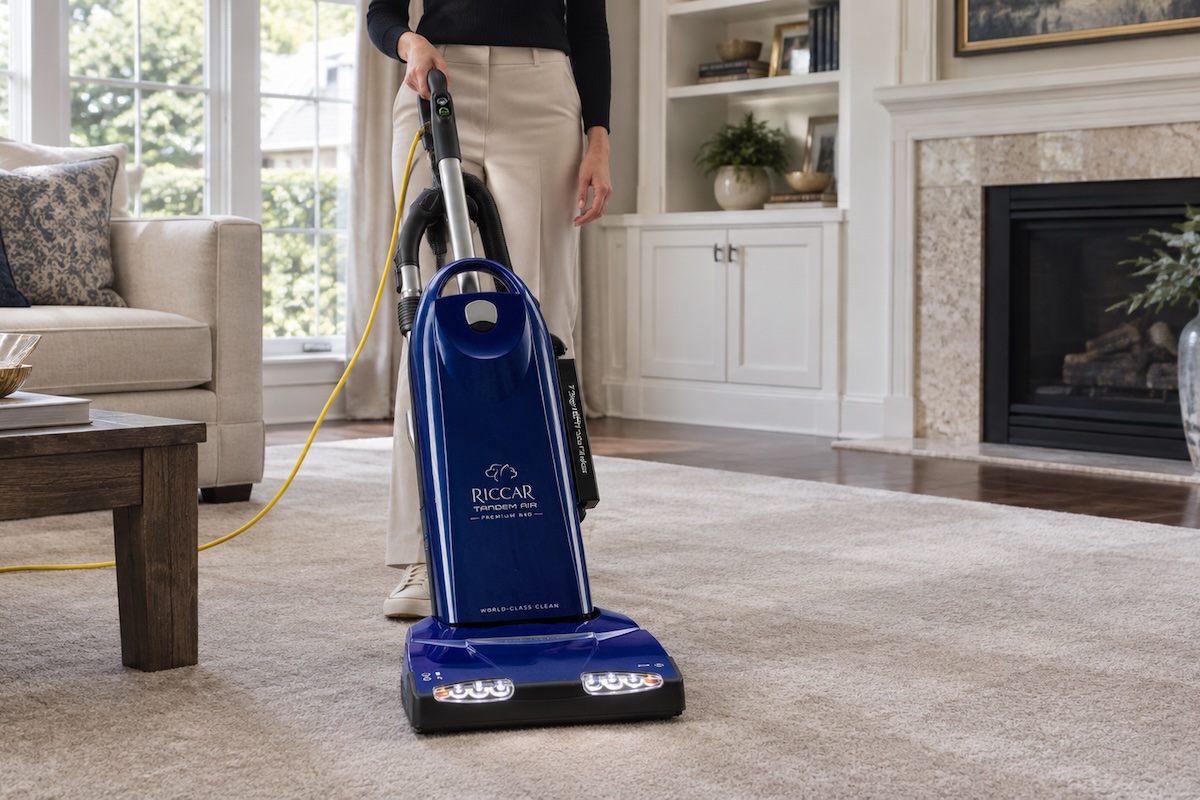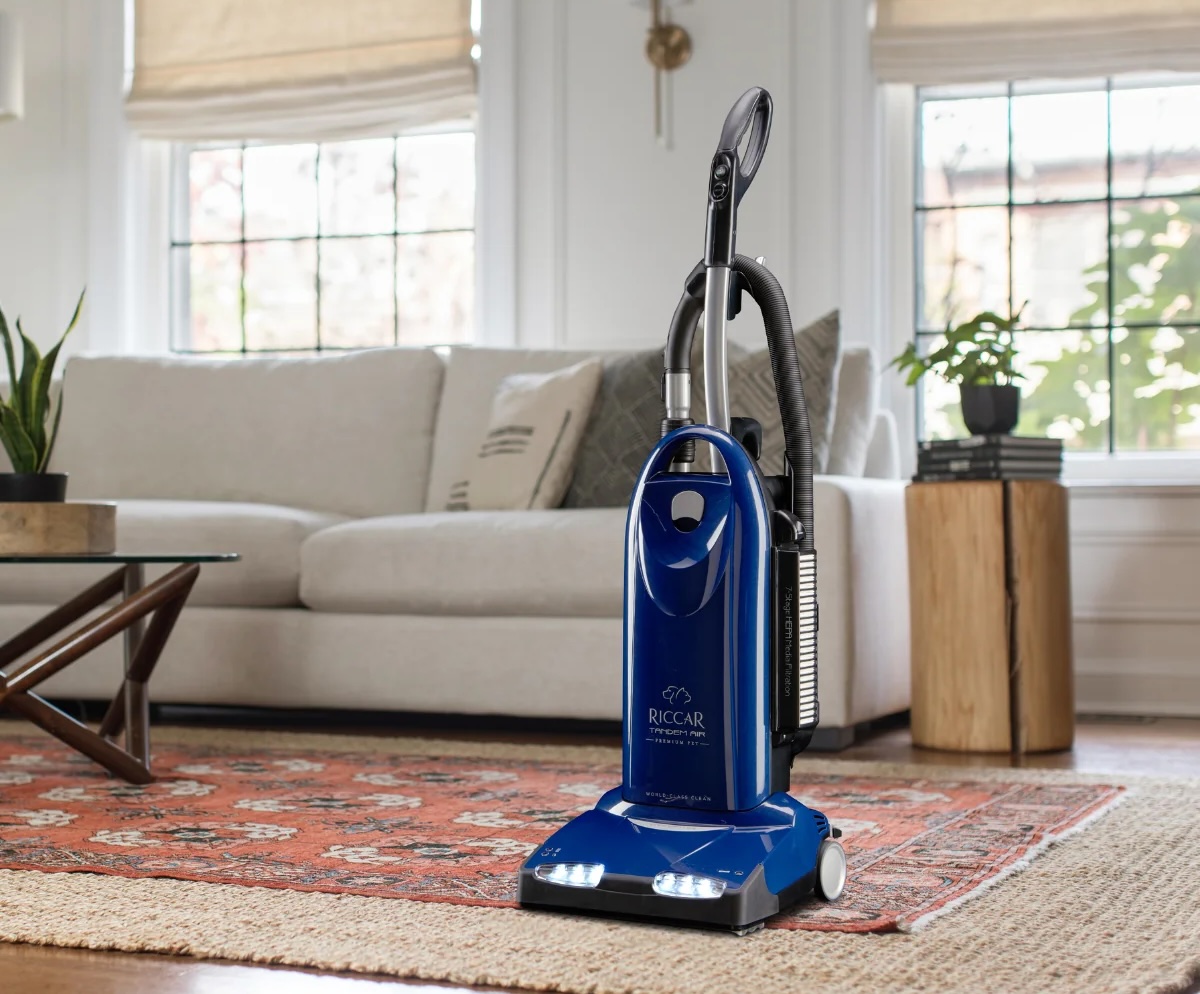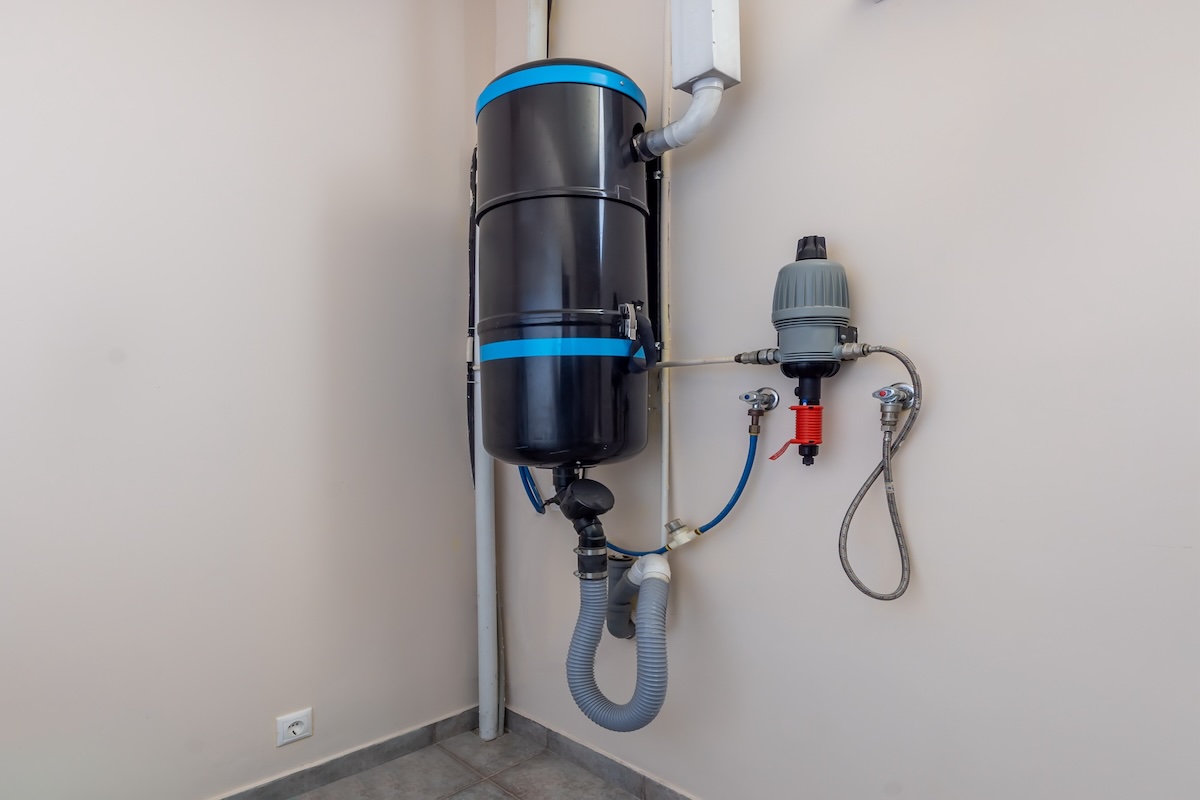
Central vacuum systems are built to disappear into daily life, quietly handling everything from muddy footprints to spring pollen without asking for much in return. Over years of warm air, sticky humidity, and the fine dust that settles into garages, closets, and utility spaces, performance can shift slightly—not necessarily because the system is failing, but because it’s been doing its job. A little less pull at the hose or an inlet that needs some attention is usually just the system asking for routine care, and not necessarily a warning sign.
That long, gradual wear is exactly what makes central vac systems worth it in the first place. They’re a durable, long-term upgrade instead of something that’s constantly needing to be replaced. That said, knowing what’s normal, what’s fixable, and when to call a professional to take a look at your central vacuum system can save time, money, and unnecessary replacements.
How Central Vacuum Systems Typically Fail in Nashville Homes
Many central vacuum repair service calls in the Nashville area fall into one of 4 general categories.
- Loss of suction is the most common. In many cases, it’s not the motor—it’s a clog in the piping, a full canister, or a failed seal at one or more inlets. Homes with long pipe runs or multiple additions are especially prone to partial blockages that slowly reduce performance.
- Odors usually trace back to filters, canisters, or moisture. Nashville’s humidity can accelerate mildew buildup if debris sits too long or filters aren’t cleaned regularly. A central vacuum shouldn’t smell when it runs—if it does, something needs attention.
- Electrical problems show up as inlets that don’t activate the unit, motors that shut off unexpectedly, or systems that won’t power on at all. These are often tied to low-voltage wiring, worn relay boards, or aging motors rather than full system failure.
- Hard clogs happen less often, but when they do, they stop everything. Toys, construction debris, hair, or drywall dust can lodge deep in the piping. These usually require targeted removal, not guesswork.
What You Can Safely Check Yourself
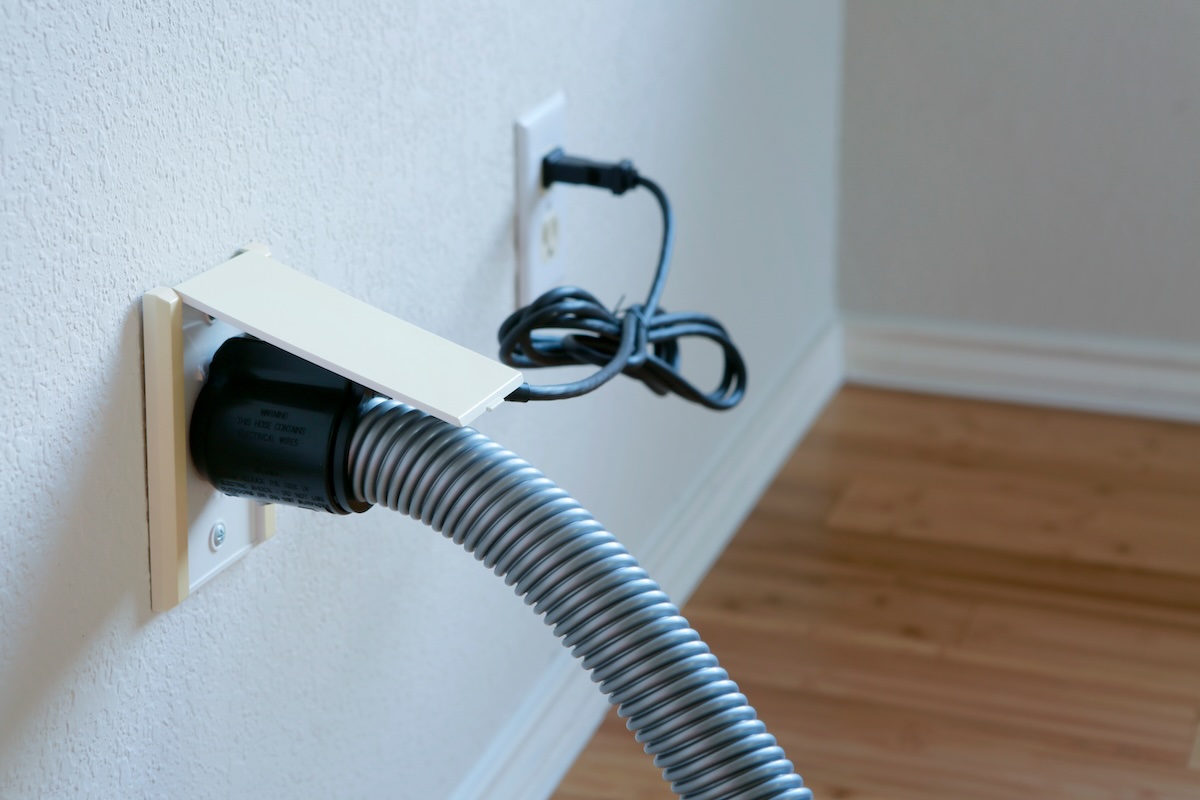
There are a handful of basic checks that homeowners can do safely to help rule out the obvious without opening the unit, pulling wiring, or risking damage.
- You can start with the collection canister. When it’s overfilled, suction drops quickly. Empty it and look for excess moisture or debris stuck to the sides, which can interfere with airflow and contribute to odors.
- Next, you can take a look at the filter. A clogged or damp filter restricts airflow and can cause both suction loss and smells during operation. Cleaning or replacing it is simple and often restores normal performance, but recurring filter issues usually point to something deeper in the system.
- Check the inlets throughout the house. Make sure the doors close fully and that the gaskets are intact. Even a small air leak at one inlet can affect overall performance. This is an inspection step—not a repair—since inlet wiring and seals are easy to damage if handled incorrectly.
- Pay attention to the motor’s sound when the system runs. A healthy unit has a steady, consistent tone. Grinding, high-pitched whining, or repeated shutdowns are signs of internal wear and should be addressed by a technician rather than ignored or experimented with.
- Note whether suction issues are happening everywhere or only in one area. System-wide problems usually point to the power unit or main line, while issues isolated to a single inlet often indicate a localized blockage. Either way, this information helps a repair technician diagnose the problem faster and more accurately.
These checks aren’t intended to replace professional service or encourage attempts at DIY repairs beyond basic observation. When a homeowner can describe what they’re seeing, hearing, or smelling (e.g. suction dropped suddenly or gradually, whether the unit sounds louder or quieter than usual) it allows a technician to diagnose the issue more precisely from the start. That can shorten service time, reduce the need for troubleshooting, and help avoid replacing parts that aren’t actually failing. In most cases, informed observation leads to quicker, cleaner repairs and keeps a well-built system operating the way it was designed to, without unnecessary disruption or expense.
It’s important to remember that with central vacuum systems, many problems look simple but aren’t.
Repeated electrical issues, burning smells, or a motor that overheats aren’t normal wear and should never be ignored, brushed off, or “tested” repeatedly. Those symptoms point to electrical or mechanical stress that requires skilled diagnosis by a qualified repair technician, not experimentation.
The same goes for clogs that don’t clear easily. Forcing debris through the line or using improvised tools often drives the blockage deeper into the system, turning a straightforward service call into a more involved repair. Knowing when to stop protects both the equipment and the repair budget, and it helps ensure the system is serviced correctly the first time.
If your system is older, parts compatibility is also important. Many Nashville homes still have units installed 15–25 years ago. In neighborhoods developed during the late ’90s and early 2000s, including parts of Brentwood, Franklin, Donelson, and Bellevue, it’s common to see central vacuum systems that are still running on their original equipment, especially with brands like Beam, VacuMaid, or Nutone. They’re often repairable, but only if serviced correctly with diagnostics and compatible components.
Central Vacuum Repair in Nashville
A reputable service provider should be able to do a few things.
- Some repairs can be quoted upfront, while others require inspection to diagnose properly. What matters is clear communication—homeowners should understand what’s included, when pricing may change, and why.
- If the problem could involve multiple components—motor, relay, wiring, piping, or airflow—then quoting before inspection can sometimes be less reliable. In some cases—but not all—a technician may need to see and hear the system to avoid guessing or overcharging. That said, for common, well-defined services (e.g. basic blockage removal, inlet repair, filter replacement, standard motor swaps), experienced technicians may know the scope of work well enough to quote a fixed price or a narrow range up front.
- They should explain whether a repair makes sense long-term or if replacement is the better option. Not every system should be saved, and the best central vacuum system repair technicians will tell you that.
- Look for experience with residential systems specifically. Central vacs aren’t shop vacs, but they aren’t what most people would think of as HVAC equipment either. (Semantically, some people would say central vacs are ventilation systems. But from a service, licensing, and expertise standpoint, they’re their own category, closer to built-in appliances than comfort HVAC.)
Preventing Repeat Problems
Most repeat issues don’t come from bad equipment, but rather from small things stacking up over time. Central vac systems are built to be dependable, but like anything mechanical, they respond to how they’re used and maintained. When airflow is restricted, filters are overdue, or the unit is pushed outside its comfort zone, the system starts working harder than it should. That extra strain doesn’t necessarily always lead to outright failure, but it can shorten the window between service calls.
That said, many common central vac problems are preventable. Here are some tips:
- Empty the canister before it’s completely full.
- Stay on top of filter changes. Clogged or damp filters restrict airflow and can lead to odors, even when the rest of the system is in great shape. Cleaning or replacing them on a regular schedule will help keep performance consistent.
- Avoid vacuuming construction debris, drywall dust, or wet material unless the system is designed for it.
- Pay attention to changes. Gradual loss of suction or new sounds usually mean something small is going wrong. Catching it early keeps repairs simple.
- Given Middle Tennessee’s humidity and seasonal swings, proper ventilation around the central vacuum unit plays a real role in protecting the motor and extending its service life.
Handled with a little awareness, most of these problems never turn into anything serious. Paying attention to gradual changes and giving the power unit a healthy environment to run in—especially with the humidity and temperature swings we deal with—goes a long way toward keeping the system running the way it was designed to. Do that, and when service is needed, it stays straightforward instead of turning into a bigger repair than it ever needed to be.
Is Repairing an Existing Central Vac Worth It?
In many cases, yes.
Central vacuum systems are built to last decades. Motors, relays, and inlets are serviceable parts, not disposable ones. If the piping is intact and the unit housing is sound, repairs are often far cheaper than replacement.
That said, if a system has multiple failing components or no longer meets your needs, upgrading with new central vac installation can make sense. However, it’s best to make that decision with information you can get from a proper evaluation—one that looks at the condition of the existing unit, the piping, and how the system is actually being used. That way, you’re choosing a repair or an upgrade because it’s the right long-term move.
The Bottom Line
A central vacuum system that’s properly maintained should be powerful, quiet, and dependable. When problems show up, they usually follow familiar patterns—and most can be fixed without tearing into walls or replacing the entire system.
Whether you’re dealing with weak suction, electrical issues, or a system that just doesn’t perform like it used to, the right repair approach makes all the difference. Done right, a repair restores performance and buys years of additional service. Done wrong, it creates repeat problems.
If the goal is reliability, efficiency, and not dealing with the same issue twice, a focused, informed repair strategy wins every time.